





Additional features
-
Night mode

One third of Uzbekistan’s main power grids outdated – President Mirziyoyev orders faster modernization
About one third of Uzbekistan’s high voltage main power transmission networks are outdated, prompting President Shavkat Mirziyoyev to order an acceleration of construction and modernization works in the sector.
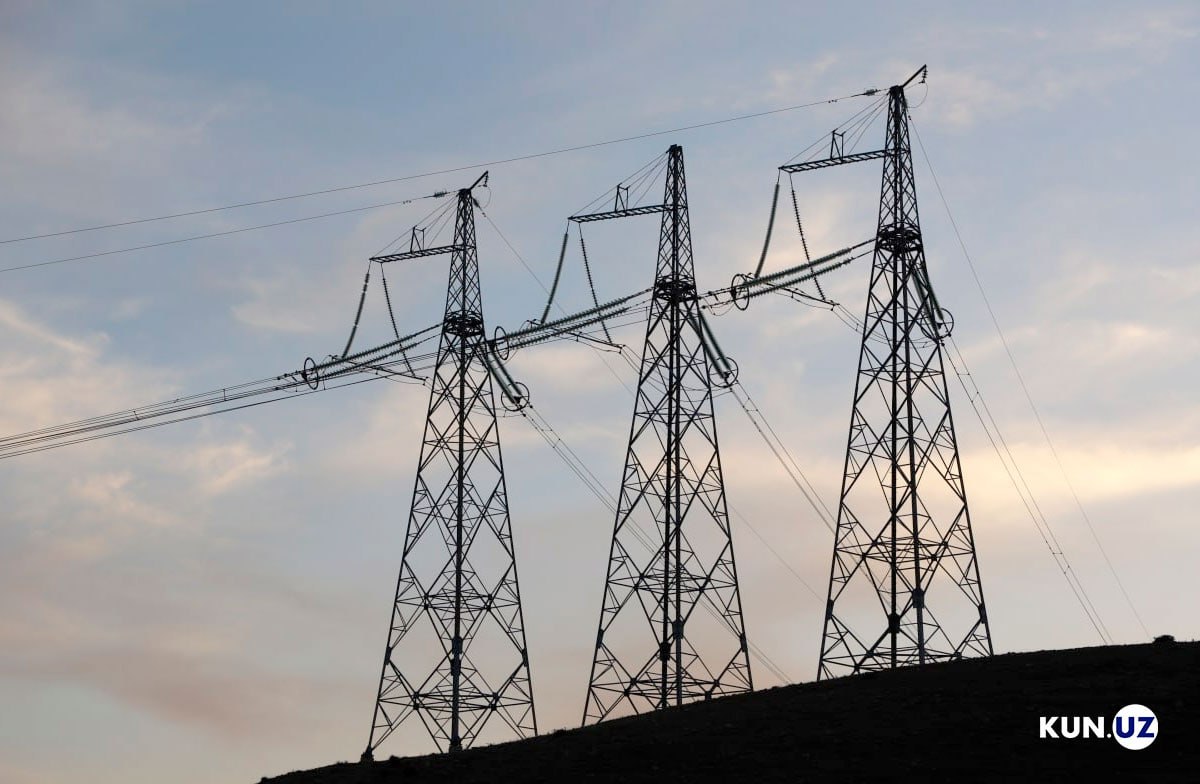
The instruction was issued on February 23 during a meeting dedicated to the development of the energy sector, where officials reviewed the condition of trunk transmission lines and substations amid growing generation capacity.
The president stressed that as electricity generation capacity continues to increase, ensuring timely delivery of power to consumers remains a pressing issue.
Without the construction of additional high voltage trunk networks, there is a risk that generation capacity could exceed consumption capacity. It was also noted that the pace of utilizing allocated funds for grid development last year was insufficient.
Officials briefed the president on plans to construct the 602 km Tolimarjon – Sogdiana, Syrdarya – Halqa, and Karakul – Nurobod transmission lines. By 2030, the Yangi Angren – Namangan line and the Namangan substation are also scheduled for completion.
In Tashkent, authorities have been tasked with building 75 km of high voltage networks and five substations, modernizing 69 km of networks and 18 substations, and upgrading 638 km of low voltage lines along with 161 transformer points.
Plans were also reviewed to improve electricity supply to the regions of the Fergana Valley through integration with neighboring countries’ energy systems. The construction of the Surkhan – Puli Khumri high voltage line to Afghanistan, along with related substations, is to be accelerated.
According to a presentation by the Ministry of Energy, the total length of Uzbekistan’s 110–500 kV main transmission lines stands at 12,500 km. Of this, nearly 3,900 km, or 32%, require renewal.
The system includes 91 substations with voltages of 110–500 kV and a total installed capacity of 30,984 MVA. Of these, 24 substations, or 28%, are considered outdated.
Over the past four years, 1,310 km of 110–500 kV lines have been constructed. Nine 220 kV substations were commissioned, creating an additional 9,348 MVA of capacity.
During this period, total investments in the development of main grids amounted to $803.4m.
Modernization and expansion efforts continued in 2025. Among the key developments:
- Additional 125 MVA transformers were installed at the 220 kV Ohangaron and A substations in Navoi
- new 500 kV Halqa substation with a capacity of 1,602 MVA is under construction
- The 220 kV Yuksak substation is being modernized, adding 100 MVA
- 209 km of 500 kV lines and 213 km of 220 kV lines were constructed
Last year alone, 1,952 MVA of additional capacity was created. Investment volume reached $142.1m.
Abdumalik Nazirov, chairman of the board of National Electric Grid of Uzbekistan, said that key directions for improving grid efficiency were clearly defined at the presidential meeting.
“Each area of efficiency in the energy sector was explained in detail. It was clearly identified where electricity originates, at which equipment losses occur, and which transformers and substations require improved efficiency. We will ensure the unconditional implementation of the assigned tasks,” he said.
Nazirov emphasized that modernization works aimed at reducing energy losses are already underway. A scientific approach is being applied, with specialized researchers dispatched to regions to assess conditions at each substation and network segment. Measures to reduce losses and optimize energy consumption will be based on scientific analysis and both international and national experience.
Asror Askarov, chairman of the board of Regional Electric Networks, stated that service providers responsible for low voltage networks have received clear instructions to track the movement of every kilowatt hour of electricity.
They have also been tasked with determining responsibility for consumption and identifying through which substation, transformer, and network electricity is delivered to consumers.
According to Askarov, full implementation of the new system, supported by professors and specialists, will significantly enhance supply stability, reduce energy losses, and prevent voltage fluctuations during peak demand periods.

Related News
14:00 / 25.06.2026
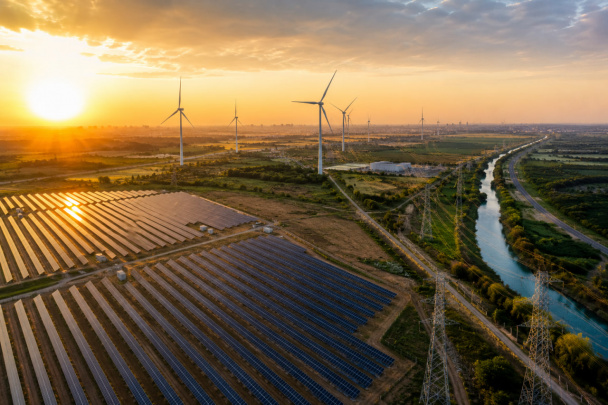
Renewable power generation jumps 43% in Uzbekistan, pushing green energy share above 45%
10:30 / 24.06.2026
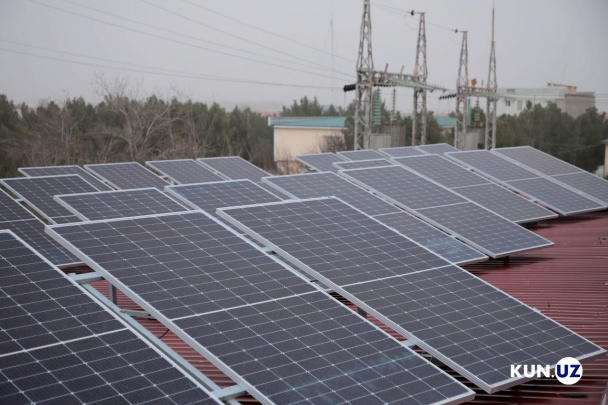
Solar House payouts stall after first-quarter subsidies consume most of annual budget
13:19 / 22.06.2026
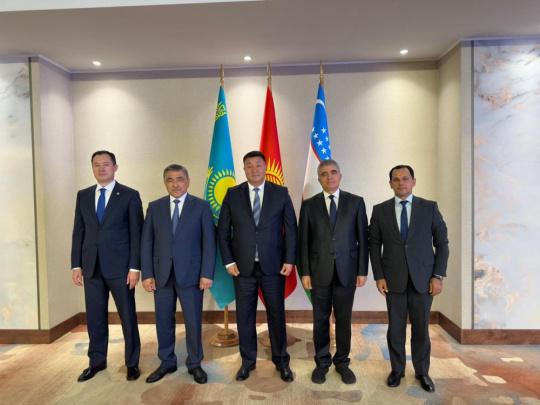
Uzbekistan, Kazakhstan, and Kyrgyzstan align water release schedules for peak summer months

12:13 / 17.06.2026