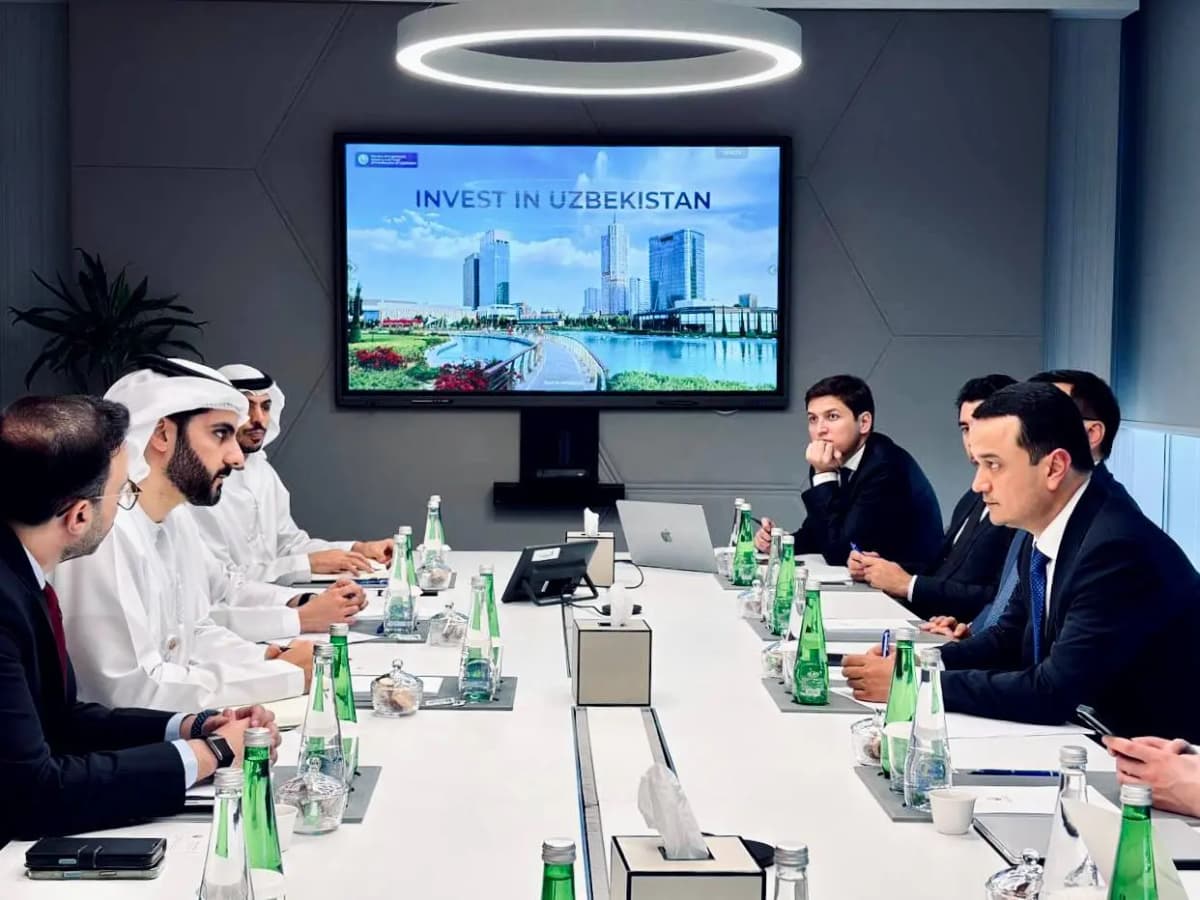
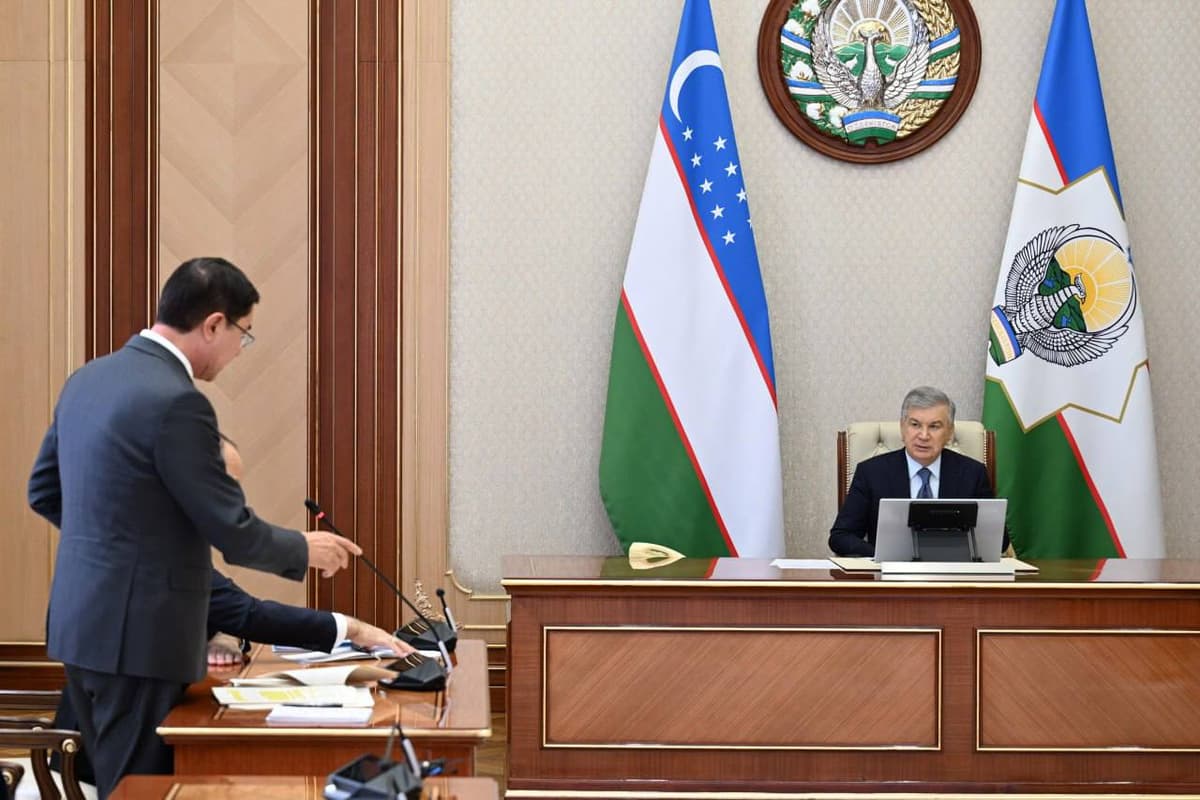
The presentation was held on March 11, as the government prepares to attract more than $50 billion in investment to the country’s regions and economic sectors this year.
Authorities also plan to allocate UZS 24 trillion from the state budget for the construction of social and infrastructure facilities and procure goods, works, and services worth more than UZS 300 trillion through public procurement. Officials say the scale of these initiatives requires a faster and more efficient project evaluation system.
According to the presentation, the current procedure does not fully meet modern requirements and has drawn criticism from entrepreneurs and investors.
Last year, a significant share of the 7,750 documents submitted for evaluation was reviewed with delays. In some cases, projects were returned multiple times for revision due to minor shortcomings.
Officials also pointed to limited digitalization and the absence of risk analysis methods, which have increased the operational workload for staff. Although the center employs 130 specialists, the lack of differentiation between projects by risk level or strategic importance means that each employee reviews, on average, one project every two days.
To address these issues, the proposed reforms aim to introduce international best practices and a differentiated approach to project evaluation.
Under the proposal, projects will be reviewed based on their risk level and cost. Technical specifications in pre-project documentation will no longer be subject to evaluation.
Only corporate and budget-funded projects valued at more than $15 million will undergo full evaluation.
Additional initiatives include:
- conducting parallel evaluations for large and mega projects
- introducing accelerated review procedures for similar projects
- applying simplified procedures for outdated equipment
- using benchmarking methods to improve analysis
These measures are expected to optimize the evaluation process and allow the center to focus on large investment projects of strategic importance.