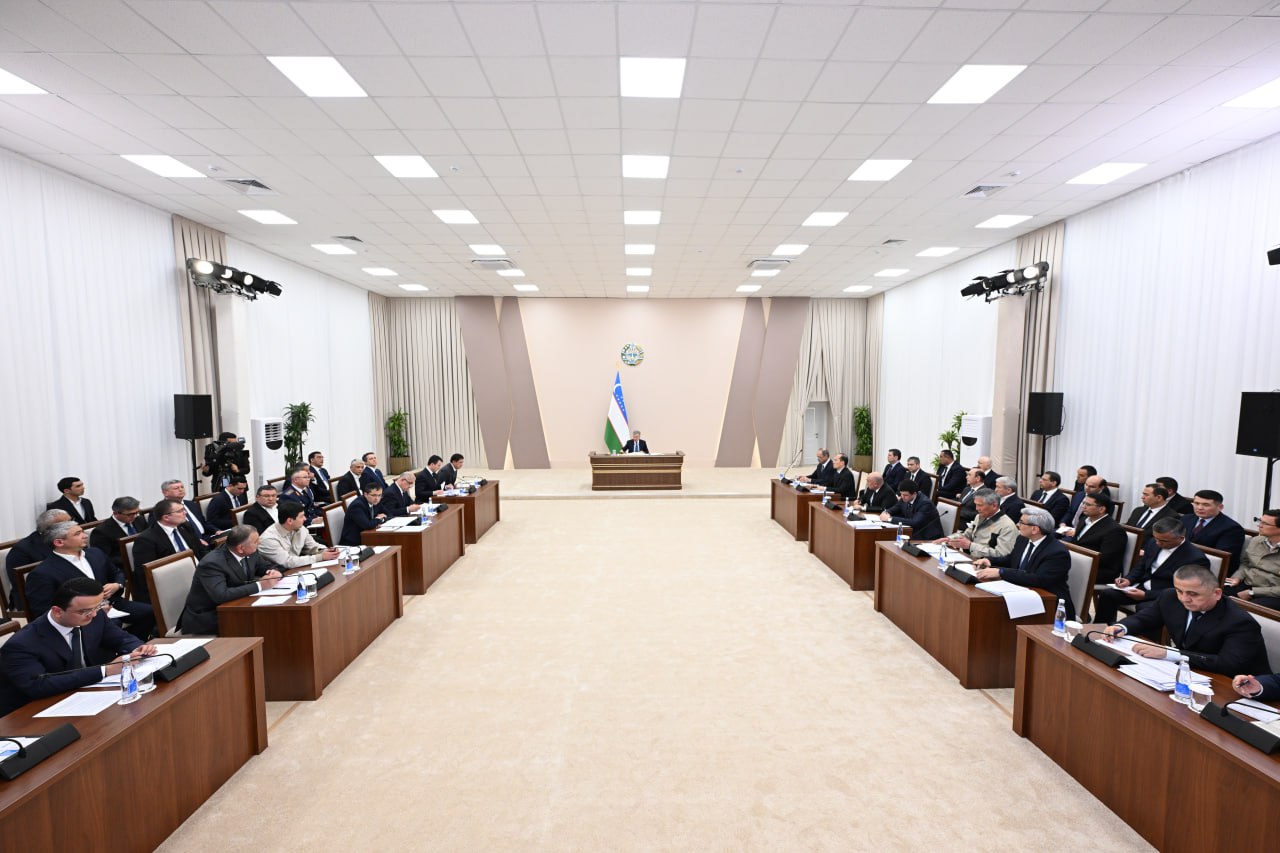
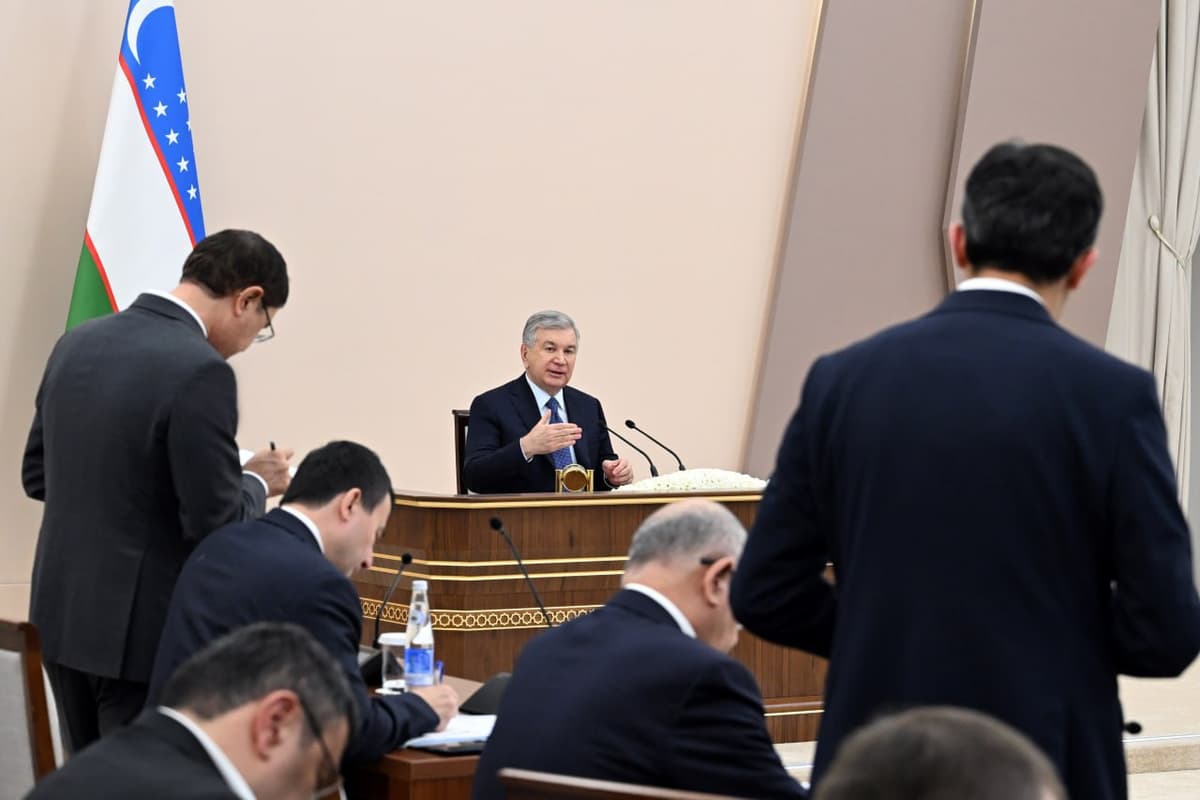
The goal was outlined during a meeting on March 16 held at the Almalyk Mining and Metallurgical Complex, where major investment projects in the mining sector were reviewed.
Officials were instructed to mobilize all available resources to meet production targets by 2030, including:
- gold – 175 tonnes;
- silver – 500 tonnes;
- uranium – 15,000 tonnes;
- copper – 500,000 tonnes.
For 2026 alone, the sector is expected to attract $2.2 billion in investments across 90 projects. Production targets for the year include 172,500 tonnes of copper, 120 tonnes of gold, 210.5 tonnes of silver, and 8,000 tonnes of uranium.
During the meeting, progress on key projects at the Almalyk complex was critically assessed. Specific instructions were issued to accelerate the next phases of the third copper concentrator plant.
Plans for constructing a new copper smelting facility – considered a continuation of the project’s technological chain – were also discussed. Authorities were tasked with finalizing the feasibility study, engaging foreign experts, and launching construction within a short timeframe.
In addition, the development of a feasibility study for a fourth copper concentrator plant was highlighted as a priority. International companies are expected to be involved, with the study covering water supply, railway infrastructure, energy needs, environmental requirements, and the adoption of advanced technologies.
At the Navoi Mining and Metallurgical Company, further expansion of the Muruntau mine and the development of new deposits were discussed. Plans also include introducing technologies to extract gold from complex ores and revising cooperation mechanisms with investors on major projects.
In the metallurgical sector, attention was given to boosting production at Uzmetkombinat, improving the use of domestic raw materials, diversifying output, and launching the production of market-oriented metal sheets.
The meeting also addressed the need to intensify geological exploration, identify additional reserves, and offer new mining and investment blocks to investors. Significant increases in reserves of gold, silver, copper, uranium, and zinc are planned for this year.