





Additional features
-
Night mode

Uzbekistan grants botanical gardens "untouchable" status to prevent privatization
New botanical gardens and dendrological parks in Uzbekistan will be developed as unified green complexes featuring at least 50,000 trees each. Under new regulations, construction and amusement rides are strictly prohibited within these zones, which have been designated as assets of national importance and are ineligible for privatization.
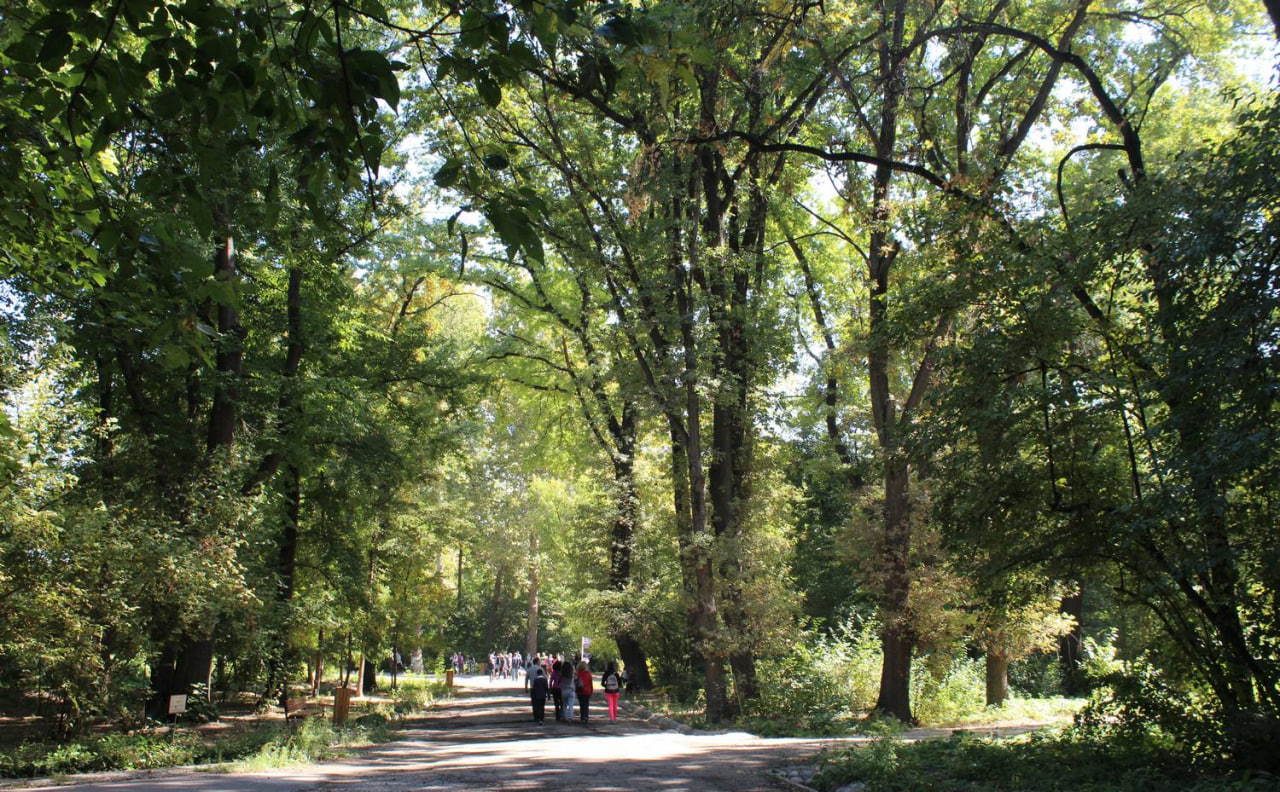
The ambitious plan, detailed during a presentation of ecological projects to the president on March 23, aims to establish botanical and dendrological parks of at least 100 hectares in every region of the country by 2028.
Strategic environmental goals
The initiative serves as a cornerstone for a broader environmental strategy with several key targets for 2030:
- Increasing the national green cover from 14.2% to 30%.
- Raising the availability of green space to 9-10 square meters per person.
- Reducing the concentration of harmful PM2.5 and PM10 pollutants by 20-25%.
- Lowering air temperatures in central urban areas by 1.5-2°C.
In 2025, botanical gardens were officially granted the status of protected areas. Erkin Mukhitdinov, Director of the Agency for Forest and Green Zone Expansion and Combating Desertification, confirmed that the newly created dendrological parks will receive identical legal protection.
A shift toward "quiet" recreation
Departing from the traditional model of amusement parks, these new sites will focus exclusively on nature and education. Each park will house a minimum of 50,000 ornamental, deciduous, and coniferous trees and shrubs.
"Conditions will be created for public recreation: walking paths, areas for hiking and family strolls, and bicycle lanes. The plans also include open-air libraries and picnic zones," Mukhitdinov stated in an interview with the Uzbekistan 24 TV channel. He emphasized that the ban on construction and attractions is absolute, ensuring these spaces remain dedicated to environmental preservation.
Furthermore, as objects of national significance, the alienation, privatization, or reduction of these territories is categorically forbidden by decree.
Progress and research integration
Implementation is already underway. In the Tashkent district of the Tashkent region, the creation of the first 77-hectare dendro-park has begun, with approximately 10,000 trees already planted.
To ensure the long-term viability of these forests, the parks will operate in collaboration with Green University and forestry research institutes. Together, they will cultivate species specifically adapted to Uzbekistan’s continental climate – trees that are resistant to drought, soil salinity, extreme summer heat, and spring frosts. These sites will serve as "mother plantations" to provide high-quality saplings for the rest of the country.
The project addresses a critical shortage of green space in the capital. While Tashkent currently has roughly 893 hectares of public parks, residents have access to only about 2 square meters of green space each – far below the recommended standard of 17–19 square meters. To bridge this gap, nine additional parks covering 140 hectares are planned for the city.

Related News
13:40 / 16.07.2026
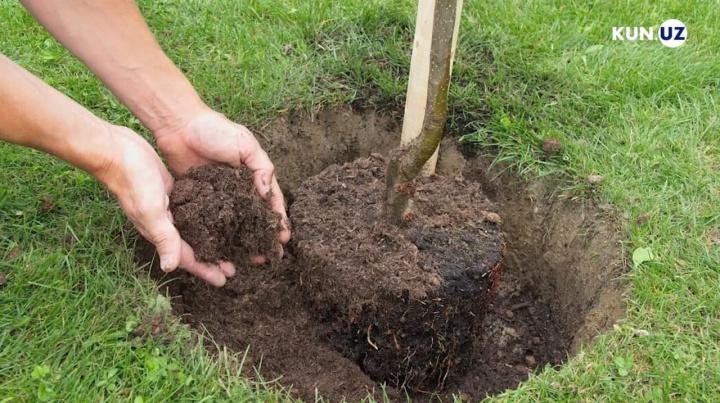
Tashkent to create 58,000-hectare green belt by 2045
14:37 / 10.07.2026
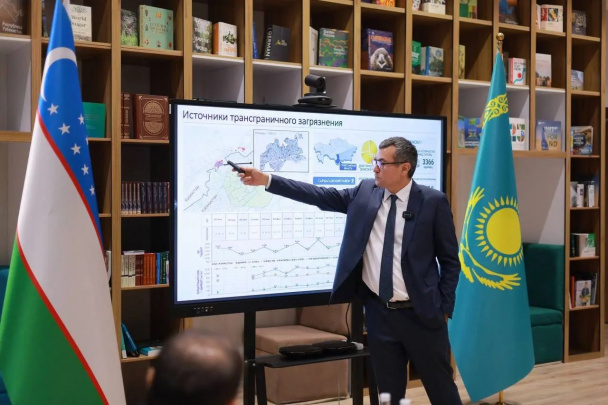
Tashkent and Astana launch joint effort to tackle cross-border air pollution
11:52 / 10.07.2026
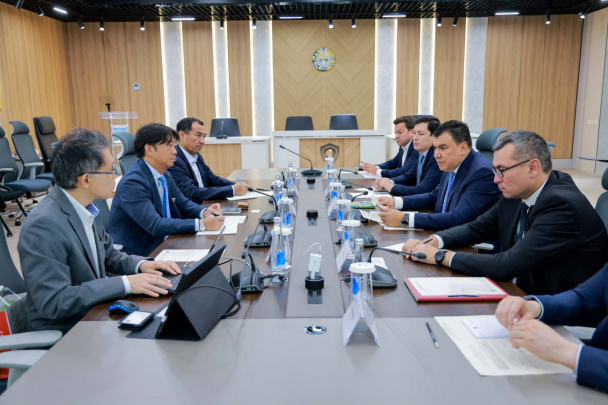
Japanese company proposes energy-efficient heating upgrade for Uzbekistan's greenhouses

12:10 / 09.07.2026