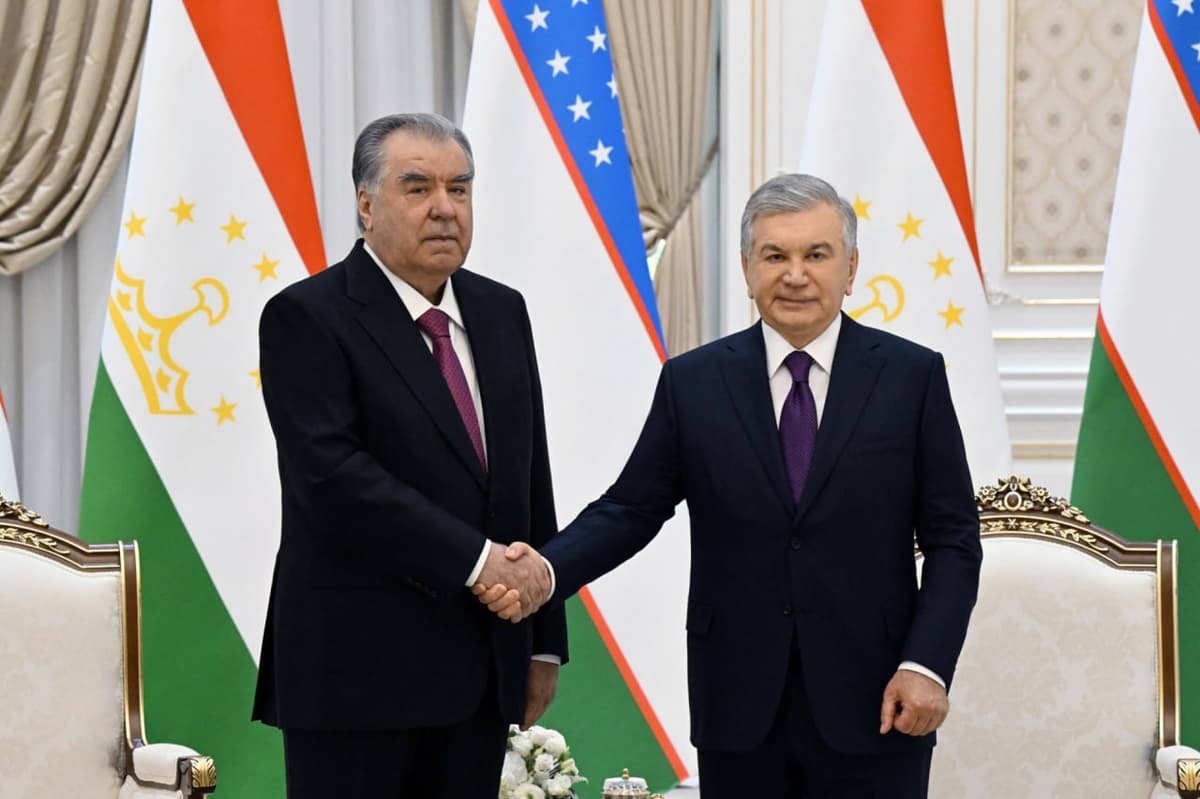
To achieve this significant growth, the two leaders agreed on a series of practical measures to eliminate logistical bottlenecks and modernize trade infrastructure. Key among these is the accelerated development of the "Oybek – Fotekhobod" border trade center. Additionally, both nations will implement digital systems for goods certification and the "E-Permit" exchange platform to simplify customs procedures and enhance transparency.
The summit also focused on a new program for industrial cooperation, which spans the mining, energy, agricultural, and electrical engineering sectors. To provide the necessary financial backing for these initiatives, the presidents emphasized the need to expand the capital base of the joint investment company.
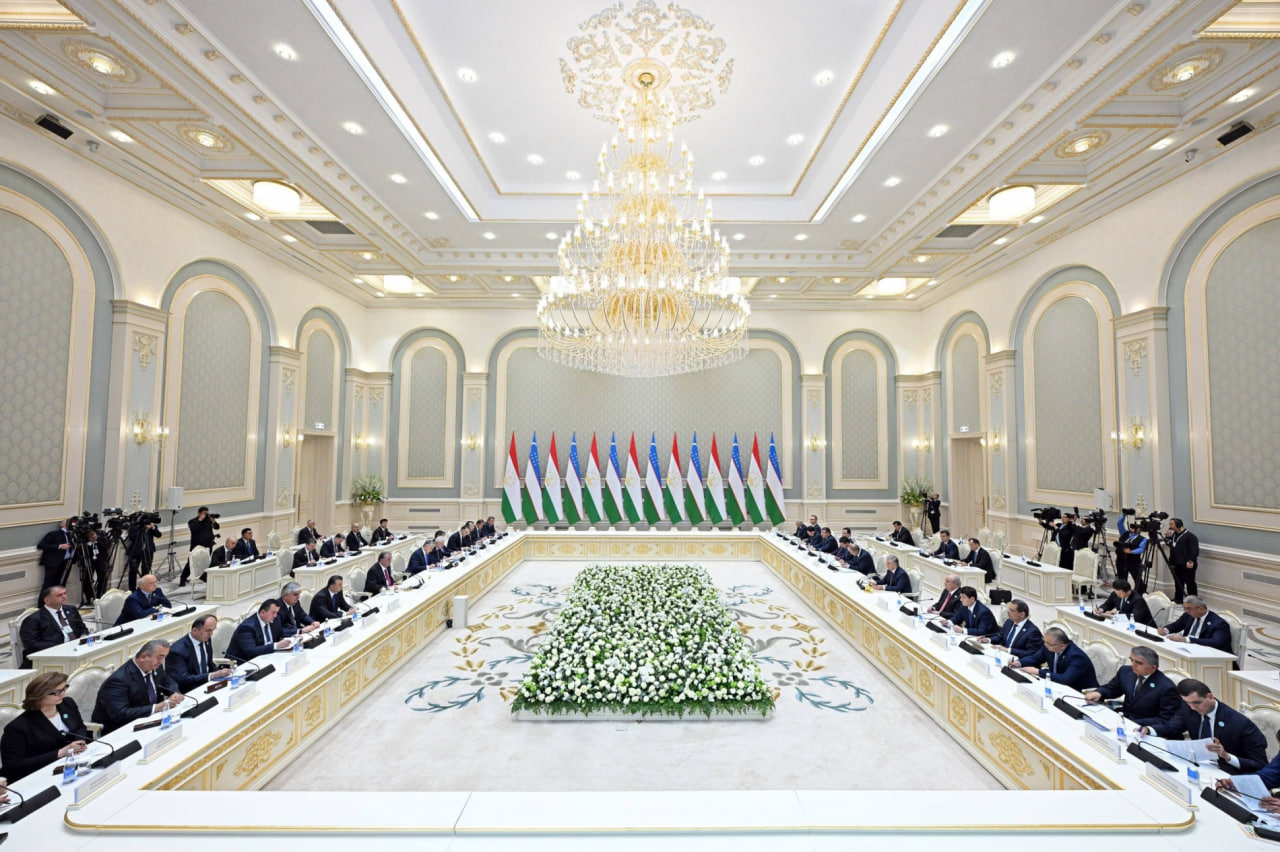
Beyond economic figures, the discussions highlighted a broader commitment to regional stability. The two heads of state reviewed prospects for collaboration in water management, energy security, and transport connectivity. They also signed a five-year action plan to strengthen cultural and humanitarian ties, ensuring that the strategic partnership translates into tangible benefits for the citizens of both countries.
As part of the visit, several new joint projects were officially launched, signaling a "qualitatively new level" of bilateral relations. Both leaders reaffirmed their intent to provide mutual support within international and regional frameworks, including a coordinated approach to security in Central Asia.