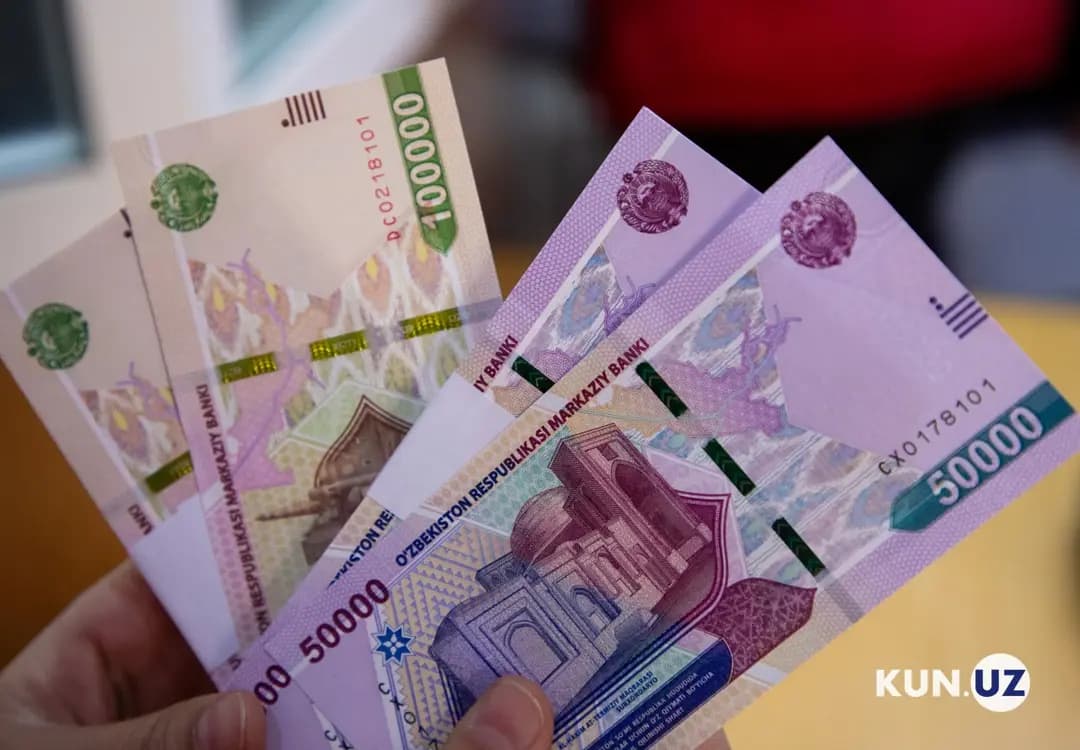
As Uzbekistan prepares for a significant shift toward a cashless economy on April 1, the demand for depositing cash onto bank cards is expected to surge. However, consumers have raised concerns regarding commissions, which can reach up to 3% when using ATMs or terminals. Addressing these concerns during a press conference on March 27, Nodir Saydullaev, First Deputy Chairman of the Central Bank, stated that the regulator would not intervene in fee structures, describing it as a matter of market competition.
The upcoming mandate requires several categories of transactions to be conducted exclusively in a cashless form. These include utility payments, government services, and the purchase of alcohol and tobacco products. Furthermore, all transactions involving real estate and motor vehicles manufactured within the last 10 years must be processed through non-cash methods. According to officials, the primary objective is to transition toward a transparent economy and simplify the payment process for citizens.
To ensure that the lack of a bank card does not prevent a consumer from accessing goods or services, Saydullaev noted that banks are introducing "instant cards." For instance, a customer at a gas station who does not have a card can have one issued on the spot. The goal is to adapt the environment so that citizens are never left without service due to the payment method.
The briefing also addressed the reduction of specific service fees. State banks have capped commissions for real estate transactions at a maximum of UZS 206,000 and for vehicle sales at UZS 103,000. To illustrate the impact, officials noted that while a UZS 400,000,000 house purchase previously incurred an average 0.5% commission (UZS 2,000,000), the fee will now be significantly lower. These changes are expected to cover a massive volume of operations, considering that 2025 saw approximately 600,000 vehicle and 300,000 real estate transactions in the country.
Jahongir Abdiev, Deputy Chairman of the Tax Committee, provided specific figures on the scope of the new regulations. He explained that 28,000 types of products – representing 7% of all goods on the market – will fall under this requirement. This includes over 22,000 alcohol and tobacco products and another 5,000 items valued at over UZS 25,000,000. Starting April 1, cash payment functions at cash registers will be disabled for these items; if a shopping cart contains cigarettes, the "cash" button will simply not function.