





Additional features
-
Night mode

Uzbekistan to scrap raw material duties for 15 product types to combat "tariff inversion"
The Government of Uzbekistan is launching a pilot project aimed at correcting a systemic imbalance known as "tariff inversion," where the cost of importing raw materials and components exceeds the duties placed on finished goods. This initiative, announced during a meeting with food and confectionery industry entrepreneurs on March 28, will initially cover 15 types of products, including chocolate, baby food, and electric scooters.
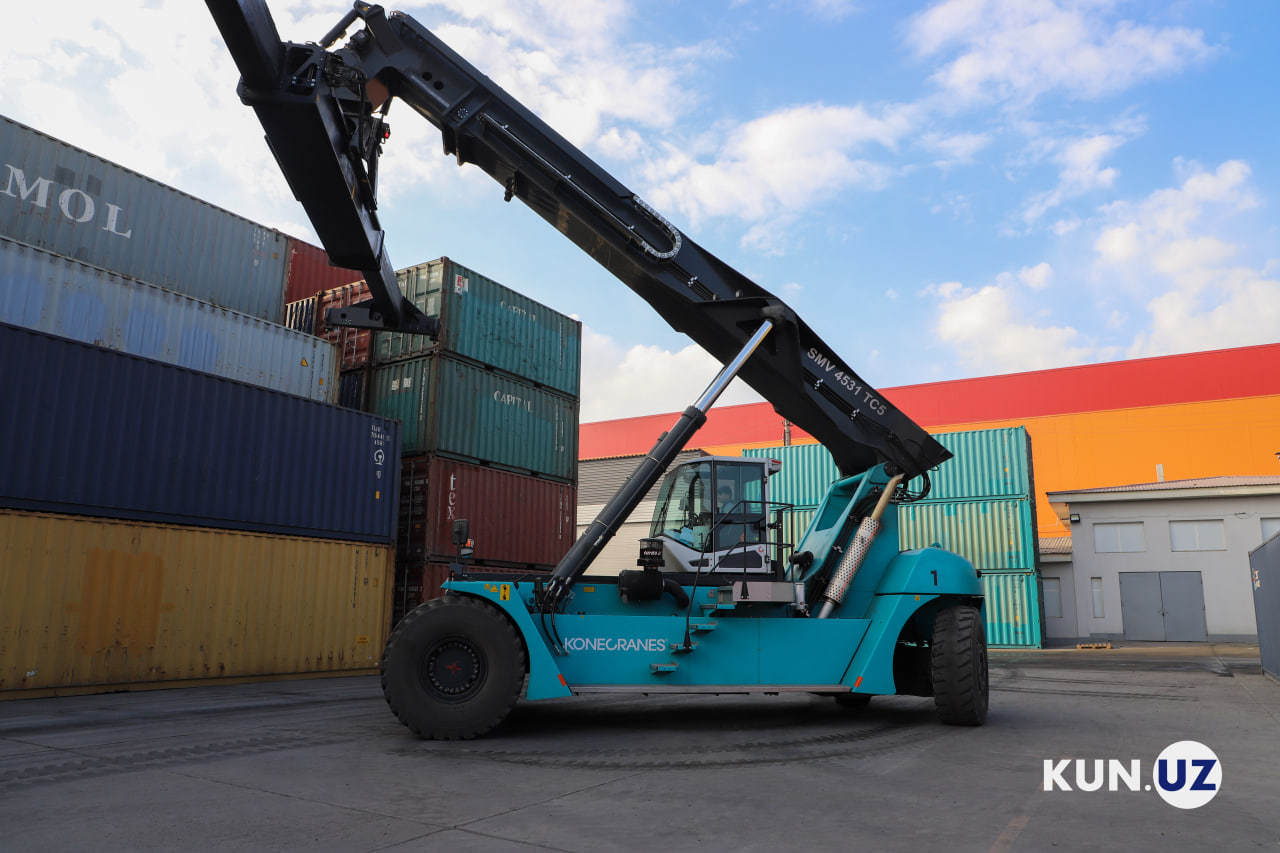
Photo: KUN.UZ
Deputy Prime Minister Jamshid Khodjaev explained that the move follows numerous appeals from local manufacturers who found it economically inefficient to produce goods domestically. Under the current system, some finished products enter the market with low or zero customs duties, while the essential ingredients required to make them in Uzbekistan are subject to high import tariffs.
Analysis of the chocolate industry highlighted the severity of the issue. Due to high duties on ingredients, the cost of locally produced chocolate is approximately UZS 57,000, while imported alternatives enter the market at UZS 50,000. Consequently, 83 percent of the domestic demand for chocolate is met by imports. A similar trend is observed in the sugar sector, where local production accounts for only 17 percent of the market.
The volume of confectionery imports has been steadily rising, growing from 86,000 tons in 2022 to 133,000 tons in 2025. Additionally, significant volumes enter the country through individuals crossing border posts with Kazakhstan, contributing an estimated 11,000 tons of duty-free products annually.
How the new mechanism works
The new system utilizes the "processing in the customs territory" (Mode 51) regime to streamline costs for manufacturers. Under this framework, customs duties on raw materials such as cocoa or sugar will be waived at the point of entry. Furthermore, Value Added Tax (VAT) payments will be deferred during the processing period – typically two to three months – allowing the funds to remain in the entrepreneur's turnover. VAT will only be collected once the finished product is sold to a customer.
A key feature of the reform is the harmonization of tariffs. If the import duty on a finished product, such as chocolate, is zero percent, the producer will also pay a zero percent duty on the imported raw materials used to manufacture it. Experts estimate that this mechanism will allow local producers to reduce the cost of their products by up to 18 percent.
The initial list of 15 products selected for the experiment includes:
- Electric scooters and wheelchairs
- Sunflower oil, jams, and preserves
- Marmalades, caramel candies, and chocolate
- Baby food and sugar–sweetened beverages
- Instant noodles, biscuits, waffles, and cakes
Strict digital oversight
While the regime offers significant financial relief, authorities emphasized that it is based on a high degree of trust backed by rigorous digital monitoring. Akmalhuja Mavlonov, Chairman of the Customs Committee, warned that the use of raw materials will be tracked with precision. The committee can calculate the exact amount of sugar required for each chocolate bar and compare it against warehouse stocks.
If raw materials are found to have been resold to third parties or used for purposes other than the specified production, the enterprise will lose its right to operate under the preferential regime. Monitoring will involve digital tracking and physical on-site inspections conducted at least once every three months.
The government plans to expand the list of eligible products in the near future, with at least six additional categories currently under consideration.

Related News

15:22
EV imports to Uzbekistan surge fourfold in early 2026

16:17 / 08.05.2026
Uzbekistan ramps up gas imports to $360.5 million in Q1, exports to China collapse

10:16 / 08.05.2026
Apple, Google, and Meta lead tax contributions in Uzbekistan's digital sector
08:21 / 08.05.2026