The fund noted that the Uzbek economy demonstrated "impressive resilience" throughout 2025, supported by high levels of consumption and investment. Real GDP growth reached 7.7% last year, as the unemployment rate dropped from 5.5% to 4.8%. This growth was broad-based, with the most significant activity observed in the services and construction sectors.
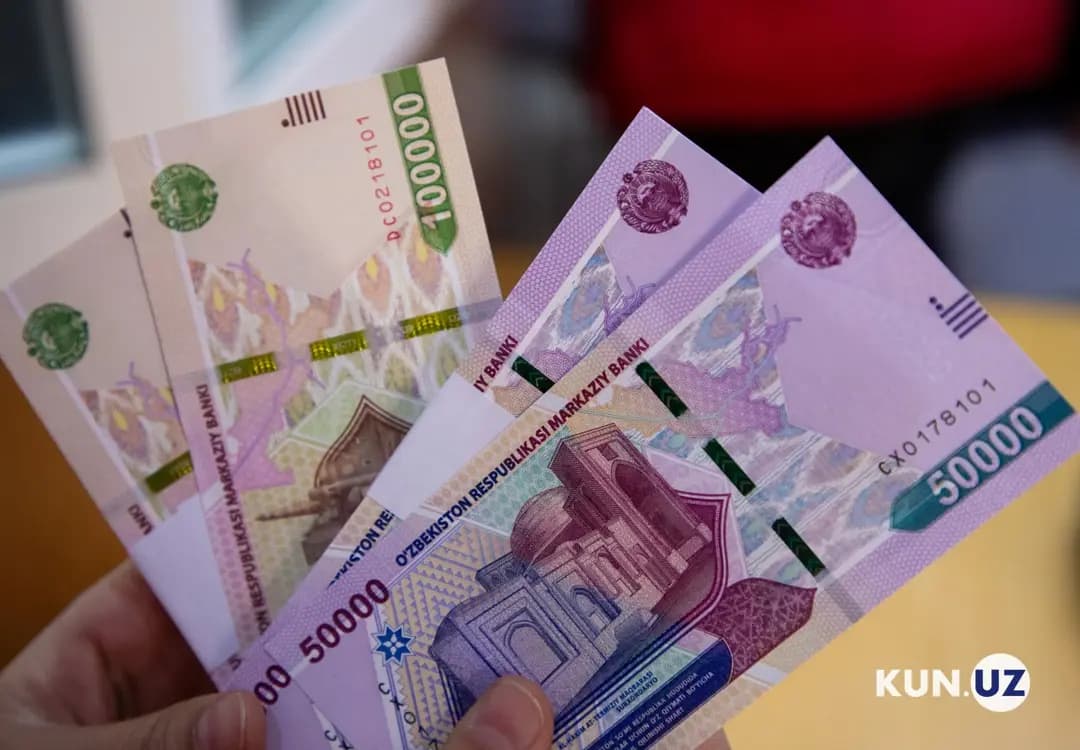
Despite strong domestic demand, headline inflation slowed to 7.3% by the end of 2025, compared to 9.8% in the previous year. This deceleration was attributed to the fading impact of energy price hikes from May 2024, a 6.9% appreciation of the UZS against the US dollar, and the implementation of a sufficiently tight monetary policy. During the same period, core inflation also decreased by 1.5 percentage points.
Furthermore, the current account deficit narrowed to 3.9% of GDP as high export volumes of primary and non-primary commodities, along with strong remittance flows, offset import costs. International reserves remain robust, covering approximately 13 months of imports. Favorable commodity prices and active economic engagement also helped reduce the fiscal deficit to 2.1% of GDP, comfortably below the 3% government target.
For 2026, the IMF increased its real GDP growth projection from 6.2% to 6.8%. High-frequency indicators show that economic activity remained strong in the first quarter of the year. The outlook is supported by ongoing structural reforms, steady investment, significant remittances, and rising gold prices. However, growth is expected to moderate to approximately 6% in 2027 as domestic demand gradually eases.
The inflation forecast for 2026 was revised upward from 6.5% to 6.8%, remaining above the Central Bank’s 5% target. This adjustment is partly due to high global oil prices stemming from the conflict in the Middle East. The IMF expects the impact to be mitigated by a "slower increase in regulated prices" and temporary subsidies for the transport sector. Inflation is projected to reach the 5% target by 2027, provided that tight monetary conditions and structural reforms continue.
While the outlook remains favorable, the IMF emphasized that uncertainty is elevated. Downside risks include potential geopolitical tensions, trade disruptions, and commodity price volatility. Domestically, risks include pressure to stimulate demand through pro-cyclical spending and potential weaknesses in the balance sheets of state-owned enterprises and state-owned commercial banks. Conversely, accelerated implementation of structural reforms could further enhance the country’s development prospects beyond the current projections.