





Additional features
-
Night mode

Government reveals preliminary costs and plans for Uzbekistan’s first toll highways
The Government of Uzbekistan, supported by international financial institutions, is set to begin the construction of several high-speed toll roads connecting Tashkent to Samarkand, Andijan, and Charvak, as well as a link between Urgench and Khiva. While developed nations have long utilized toll roads as alternatives to public routes to reduce congestion and accelerate economic activity, Uzbekistan is now moving forward with its own infrastructure plans, with major works scheduled to commence in 2026 after previous delays.
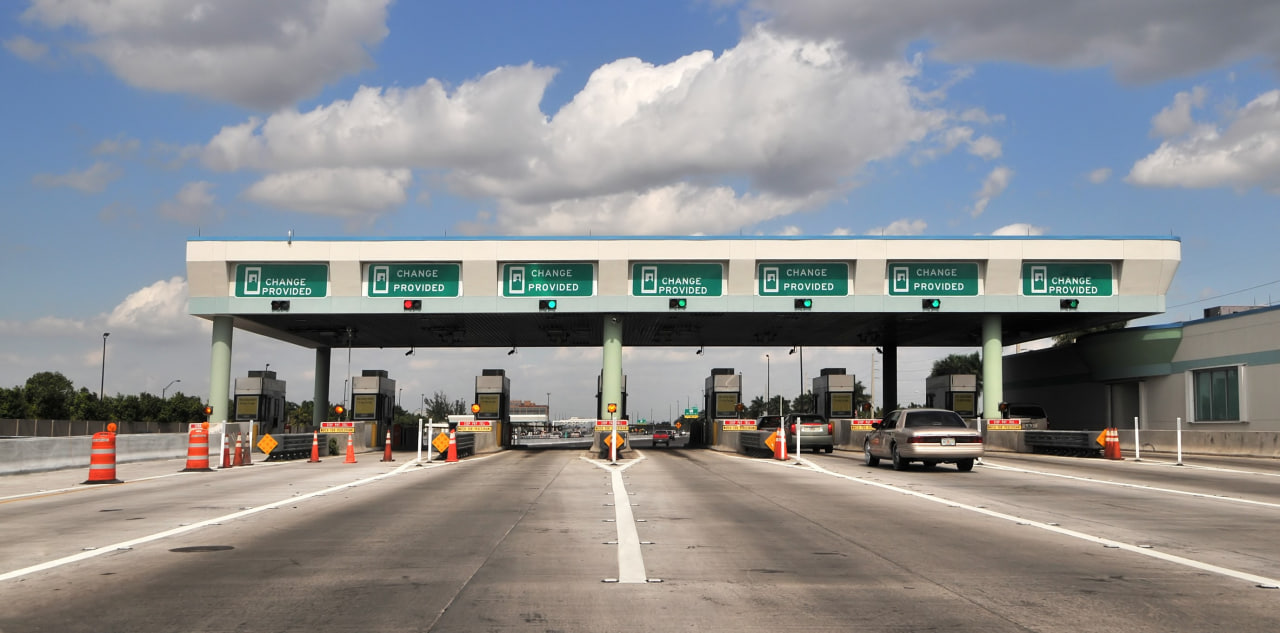
The Tashkent–Samarkand expressway
The Tashkent–Samarkand toll road, valued at $2.25 billion, will span 282 km. According to Asliddin Isaev, Deputy Director of the Avtoyolinvest Agency, the route will start from the Tashkent Ring Road in the Sergeli district and run parallel to the existing highway.
Designed with six lanes and a target speed of 150 km/h, the expressway is expected to handle up to 50,000 vehicles per day. Once completed over a five-year construction period, travel time between the two cities is projected to drop from the current average to just 2–2.5 hours. The highway will feature 12 entry and exit terminals to ensure accessibility at various points along the route.
Connecting the capital to the Fergana Valley
Significant progress is also expected on the Tashkent–Andijan toll road, which will cross the Kamchik Pass. The total length of the road connecting the capital with the eastern provinces will be 314 km. The initial phase involves constructing a 171 km alternative route for the Tashkent–Angren–Kamchik section at a cost of $3.66 billion. This ambitious project includes a new 33 km four-lane tunnel.
The World Bank is supporting the project, and the international consulting firm Arup has been recruited to oversee the design and tendering process. Upon completion, the journey from Tashkent to Andijan will be slashed from 5–5.5 hours to approximately 2–2.5 hours, with officials promising the road will remain fully operational even during severe snow and rain.
Regional links to Charvak and Khiva
Infrastructure expansion also targets tourism hubs. For the Tashkent–Charvak toll road, preliminary agreements have been reached with Qatar’s Protocol Group and the Korea Expressway Corporation. The 52 km highway aims to reduce the current 80-minute commute to just 35 minutes within the next three years.
In western Uzbekistan, construction began in February on a 35 km toll road connecting Urgench and Khiva. This $120 million project will feature a four-lane asphalt-concrete surface capable of handling 20,000 vehicles daily. The new route is expected to cut travel time between the two historic cities by more than two-thirds, reducing the trip from one hour to just 17 minutes.
Pricing and tariff structures
While official tariffs have not been finalized, government representatives have provided preliminary estimates. Hasan Umarov, Chief Legal Counsel of the Committee for Roads, stated that the government will approve a specific methodology for calculating tolls, which will include a price ceiling that investors cannot exceed.
Umarov noted that for a 200 km trip, the cost could be around UZS 100,000. For comparison, he mentioned that this is significantly less than a single speeding fine a driver might incur on existing roads. Additionally, Deputy Transport Minister Jasurbek Choriev previously indicated that the rate for toll roads could be less than 5 cents per kilometer. The final tariffs will ultimately depend on financing conditions, the requirements of private partners, and the specific terms of the public–private partnership (PPP) agreements.

Related News
11:57
Housing prices in Uzbekistan rise 4% year-on-year

18:55 / 16.07.2026
Government tightens urban planning regulations with mandatory master plan registry

18:28 / 16.07.2026
UAE's TAQA Water Solutions considers participation in Uzbekistan's water infrastructure upgrades
11:46 / 16.07.2026