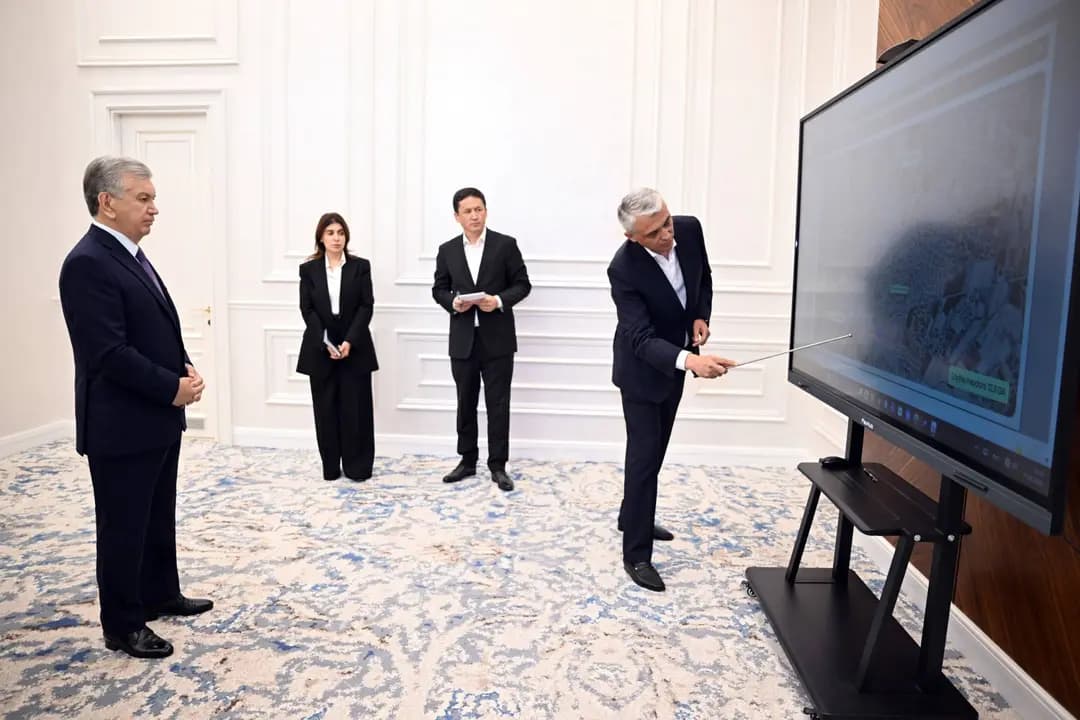
208,400 square meters, and the facility will include 169 aircraft stands and two runways, each four kilometers long. An environmental and social impact assessment has already been completed in line with international financial institutions' requirements, and work has begun on relocating canals, drainage collectors, and power lines within the project zone.
The airport project sits within a broader transformation of Uzbekistan's civil aviation sector. Seven international airports across the regions are being reconstructed to meet modern standards, and new airports have been built in Muynak, Kokand, Zaamin, Shahrisabz, the Sariasiya district, and the Sokh district – bringing the country's total to 18.
Navoi International Airport is also being repositioned. It has been granted the right to negotiate and sign contracts independently with domestic and foreign airlines for passenger and cargo services, transit flights, and technical landings. By 2030, the airport aims to increase its annual flights 2.3 times to 7,000, raise passenger throughput to 150,000 and cargo volumes to 45,000 tonnes per year. A porto franco free economic zone focused on technical and commercial aircraft services will also be established on the airport's grounds.
Aviation fuel supply was another focus of the briefing. The combined storage capacity of existing refueling facilities across Uzbekistan's airports currently stands at 49,000 tonnes. By 2030, the country plans to raise annual jet fuel production to 600,000 tonnes and storage capacity to 80,000 tonnes.
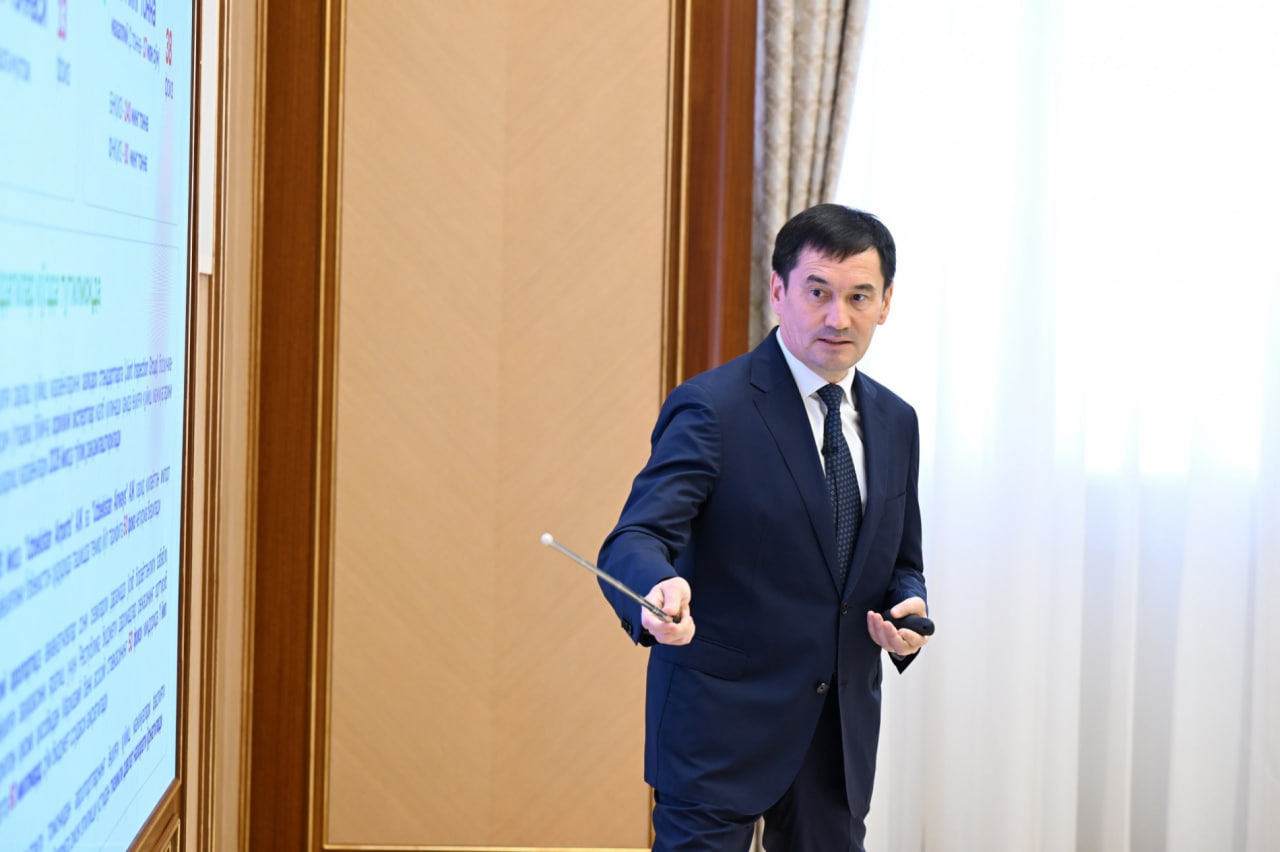
To meet those targets, new fuel storage facilities will be built at the international airports in Navoi, Andijan, Bukhara, Urgench, and New Tashkent. The presentation also stressed the need to bring fuel storage and refueling operations gradually in line with international standards. Full digitalization of refueling facility management is to be completed this year, alongside the introduction of systematic state oversight of technical compliance across airport fuel operations.
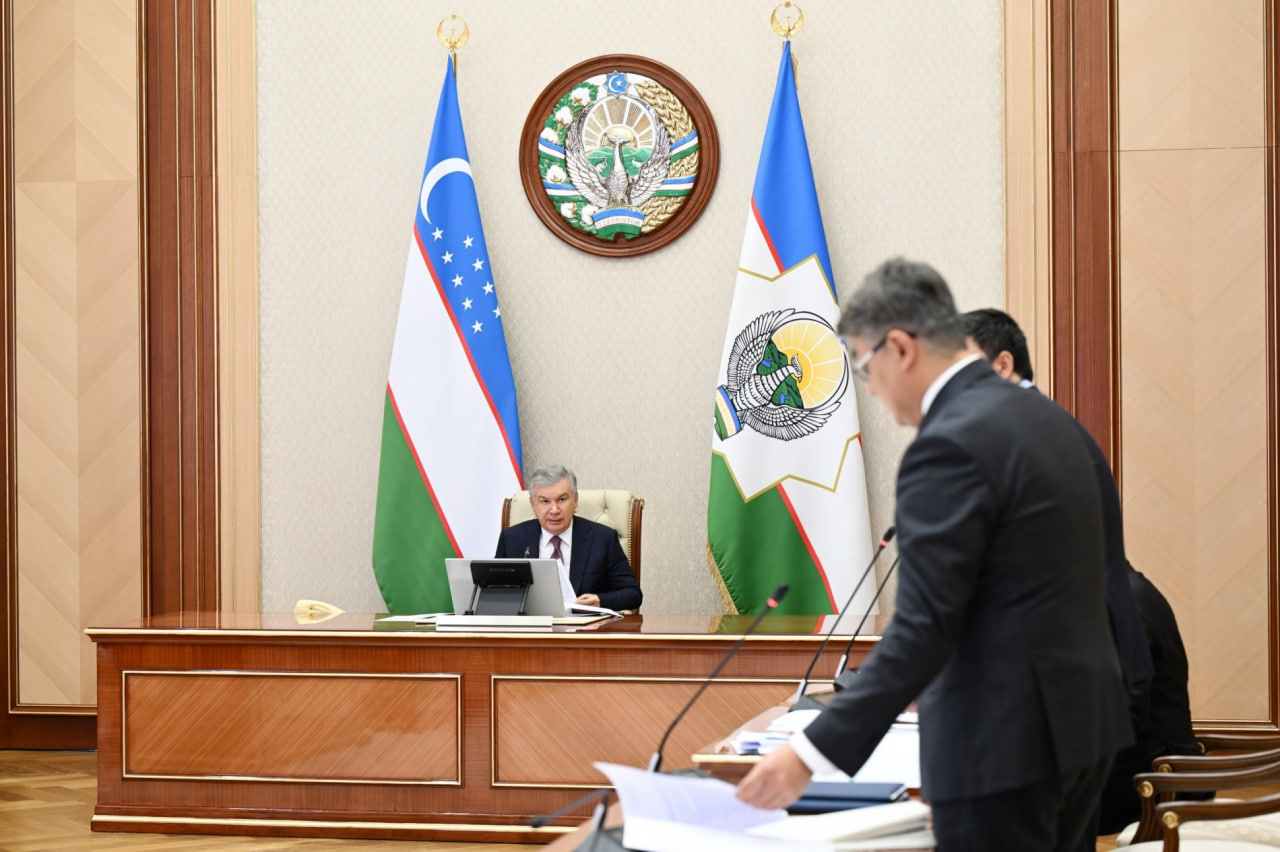
President Mirziyoyev emphasized that economic efficiency, construction quality, safety standards, and public convenience must be the defining criteria for all transport infrastructure projects, and issued corresponding instructions.