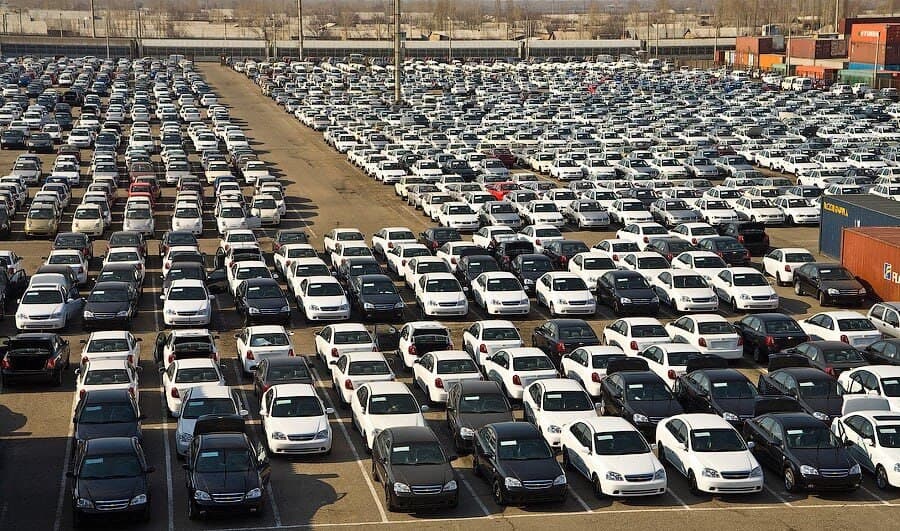
With a population of approximately 40 million and a limited public transport infrastructure, Afghanistan’s annual demand for vehicles is estimated at 250,000–300,000 units. Historically, the market relied heavily on used cars sourced from Japan and the United States. These vehicles were typically shipped to Dubai and then transported through Iran or Pakistan. However, the escalation of tensions in the Middle East has effectively blocked these routes, leaving Afghan consumers looking for alternatives.
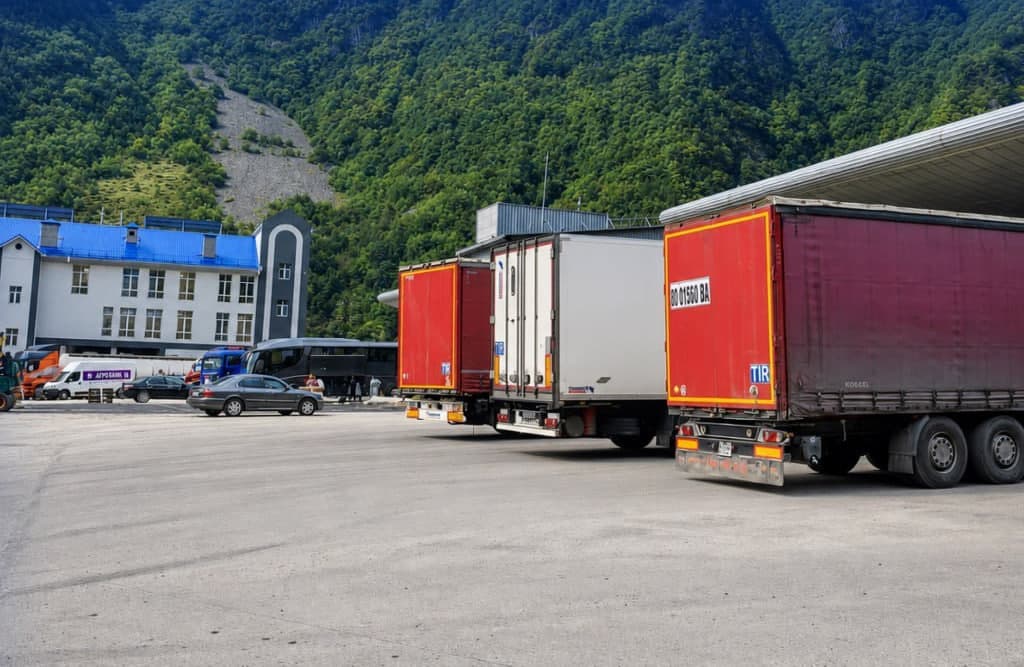
According to the CCI head, the previous supply chain was both time-consuming and costly. Transporting a container of five cars from overseas markets could cost $2,500 and take up to 40 days to arrive. In contrast, vehicles sent directly from auto markets in Tashkent and other Uzbek regions can reach Mazar – i – Sharif or Kabul in just three days. This geographic proximity, combined with the widespread availability of spare parts for locally popular models, gives Uzbekistan a competitive edge.
The export strategy focuses primarily on affordable vehicle models that align with the purchasing power of Afghan consumers. The list of proposed exports includes the Matiz, Spark, Onix, Tracker, and Lacetti. Beyond the logistical advantages, the cost of entry remains manageable, with customs clearance fees in Afghanistan ranging between 15% and 30% of the vehicle’s value. For instance, clearancing a car worth $3,000 would cost roughly $600–700.
The Chamber of Commerce and Industry has expressed its full readiness to facilitate these trade flows and assist domestic sellers in establishing a presence in major Afghan cities.
With a population of approximately 40 million and a limited public transport infrastructure, Afghanistan’s annual demand for vehicles is estimated at 250,000–300,000 units. Historically, the market relied heavily on used cars sourced from Japan and the United States. These vehicles were typically shipped to Dubai and then transported through Iran or Pakistan. However, the escalation of tensions in the Middle East has effectively blocked these routes, leaving Afghan consumers looking for alternatives.