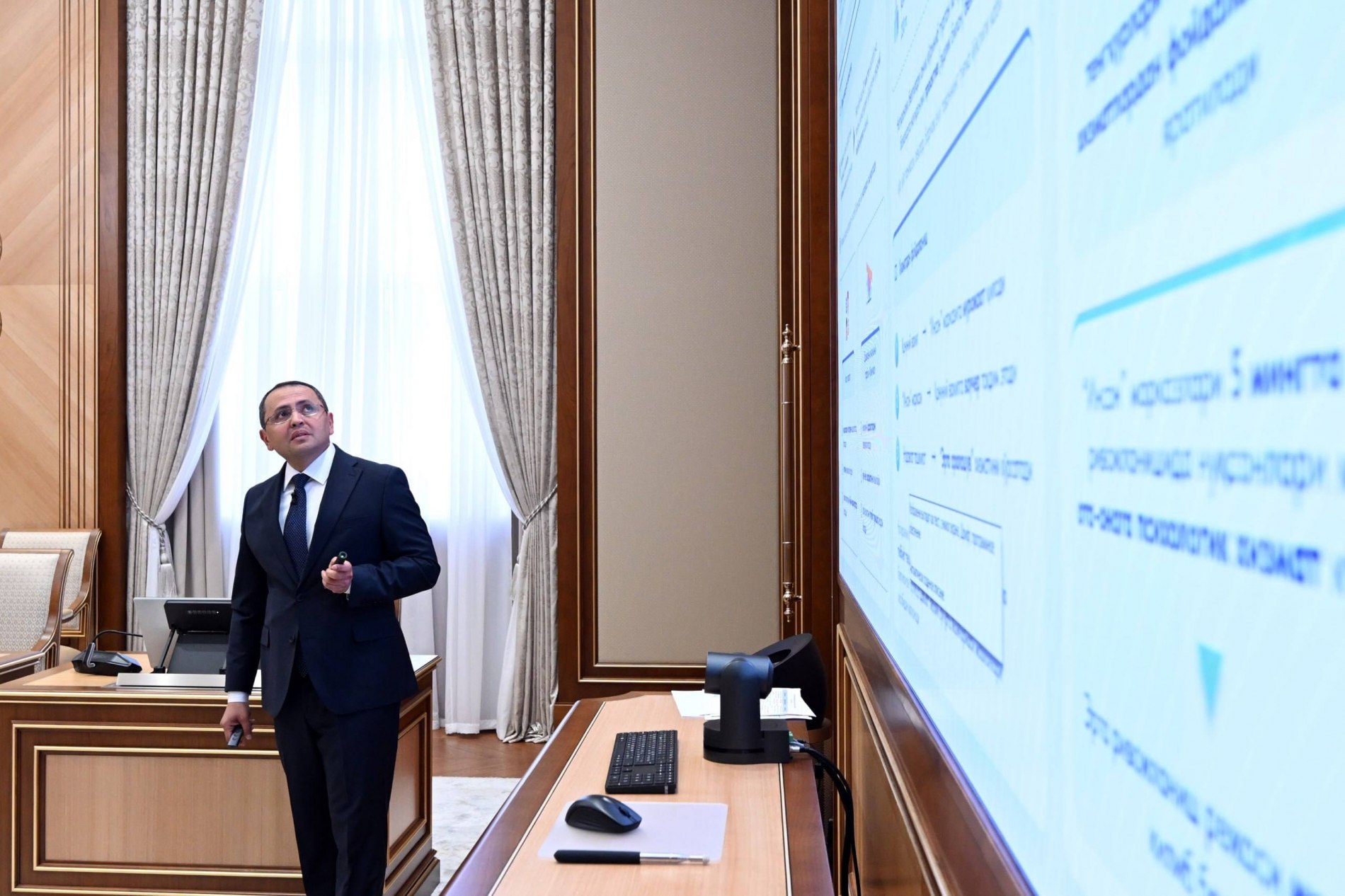
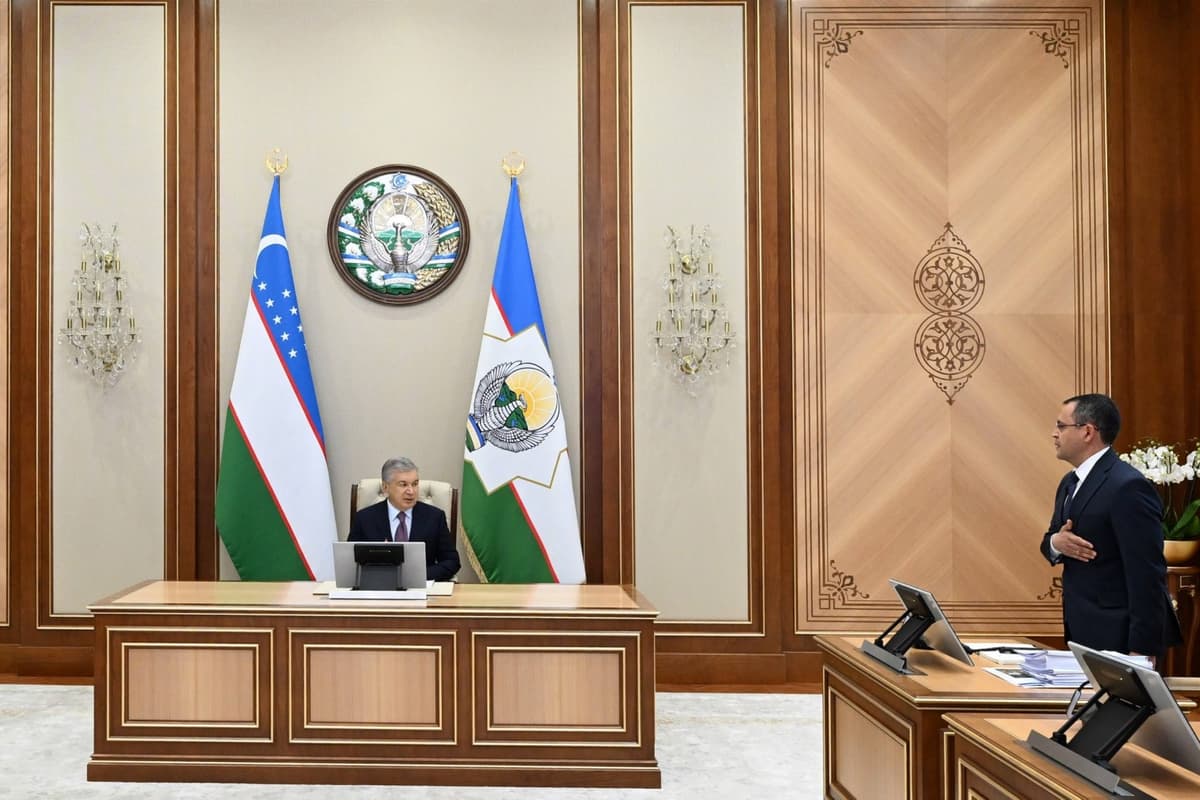
The proposals focused on improving the social services system for people with mental disabilities, with the aim of ensuring their full participation in society, expanding integrated services in family-like settings, and supporting caregivers.
A new “Early Intervention” service for children aged 0–3 with developmental disorders will be introduced in stages by June 1, 2026, providing corrective and pedagogical support, as well as speech and physical therapy.
The service will be delivered by non-governmental organizations through an electronic register. Costs of additional medical examinations and surgeries for children with congenital conditions will be covered by the State Medical Insurance Fund.
New social services for people with Group I and II disabilities and mental disorders will be introduced in stages in 2026, including the “Yangi Kun” day care service, in-home care, the “Madad” small group home program and short-term placements under a “social respite” scheme.
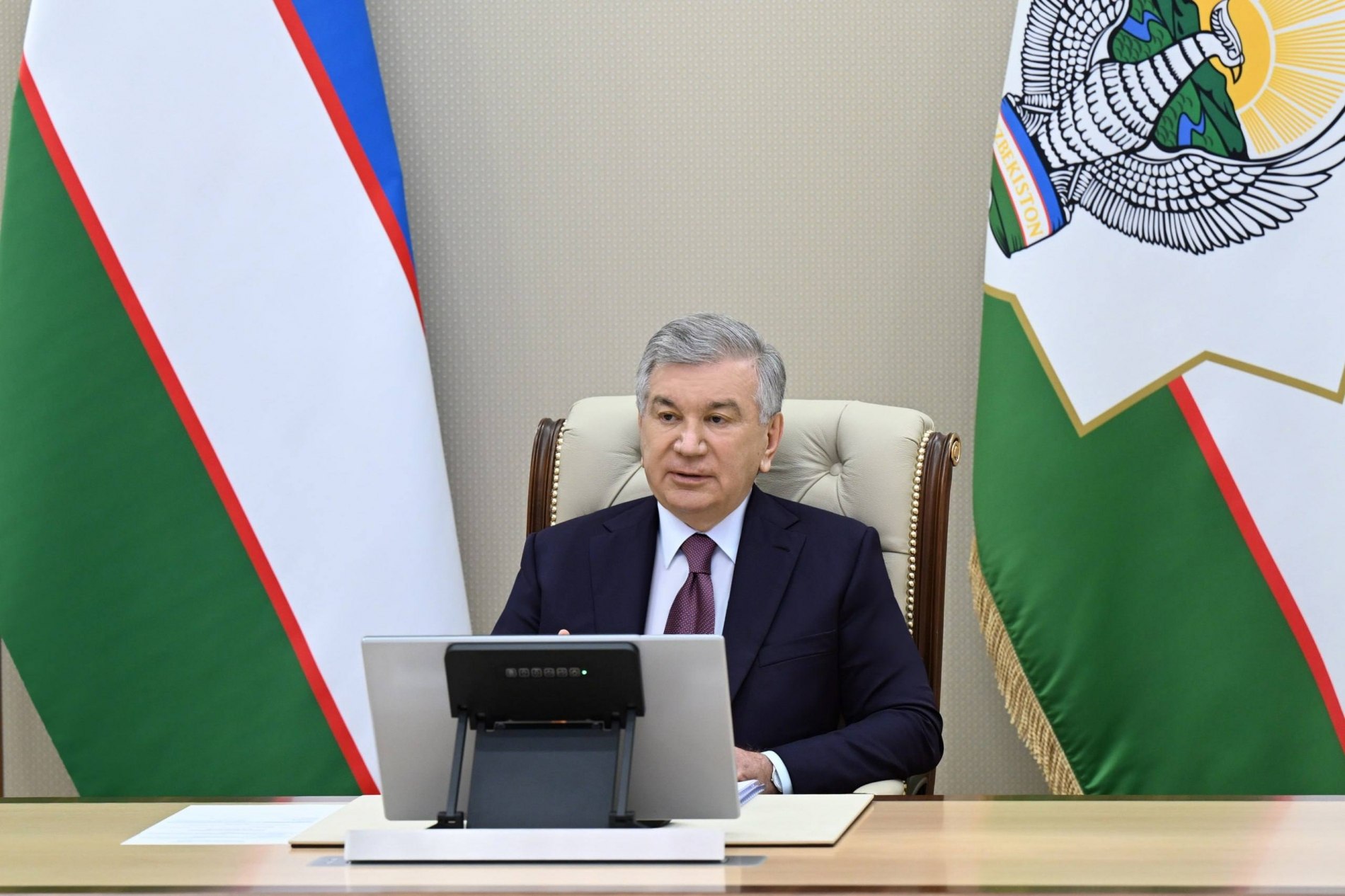
The services aim to support families through care and supervision, while promoting daily living skills and improving vocational and financial independence.
The services will be delivered under public-private partnerships by non-governmental organizations that meet established requirements. The program is expected to cover 8,300 people with mental disorders in 2026 and involve up to 600 non-governmental organizations and individual entrepreneurs. Costs will be covered through subsidies from the State Social Protection Fund.
From September 1, 2026, a monthly care allowance will be introduced for legal representatives caring for people aged 18 and over with profound intellectual disabilities.
The mandate of the Inson Social Service Centers will be expanded, with staff joining guardianship and custody commissions under the district and city administrations, effective June 1.
They will also monitor the performance of guardians, the protection of beneficiaries’ rights and property, and cases of abuse and violence.
The presentation also focused on reforming residential care institutions, with plans to gradually convert Muruvvat boarding homes into “Gamkhurlik” (Care) centers.