Market volume and financial performance
Preliminary data for 2025 indicates that the local telecom market reached a volume of UZS 24.87 trillion, marking an 18.3% increase compared to the previous year. This growth significantly exceeded the original forecast of 15%. While the pace showed a slight deceleration from the 19.2% growth recorded in 2024, the momentum remains strong.
Analysts expect the market to grow by an average of 12.1% annually between 2026 and 2028. By the end of the current year, the market volume is projected to reach UZS 28.48 trillion. This upward trend is expected to continue, with revenues hitting UZS 31.8 trillion in 2027 and surpassing UZS 35 trillion by 2028.
The broader sector of communication and informatization services also showed impressive results, with a preliminary valuation of UZS 75.44 trillion for 2025, a nearly 30% increase. Experts anticipate this figure will climb to UZS 97.85 trillion this year and potentially reach UZS 146.89 trillion within three years.
Drivers of revenue and technology trends
Internet access and mobile communications remain the primary revenue streams for operators, accounting for 51% and 30% of income, respectively. However, digital and IT services for corporate and government clients, such as cloud solutions, business digitalization, and VPN services, are making an increasingly significant contribution.
At present, 4G (LTE) remains the dominant mobile technology, covering between 95% and 98% of the population. The report highlights a record surge in mobile traffic consumption, fueled by the popularity of online gaming, fintech services, social media, and video streaming.
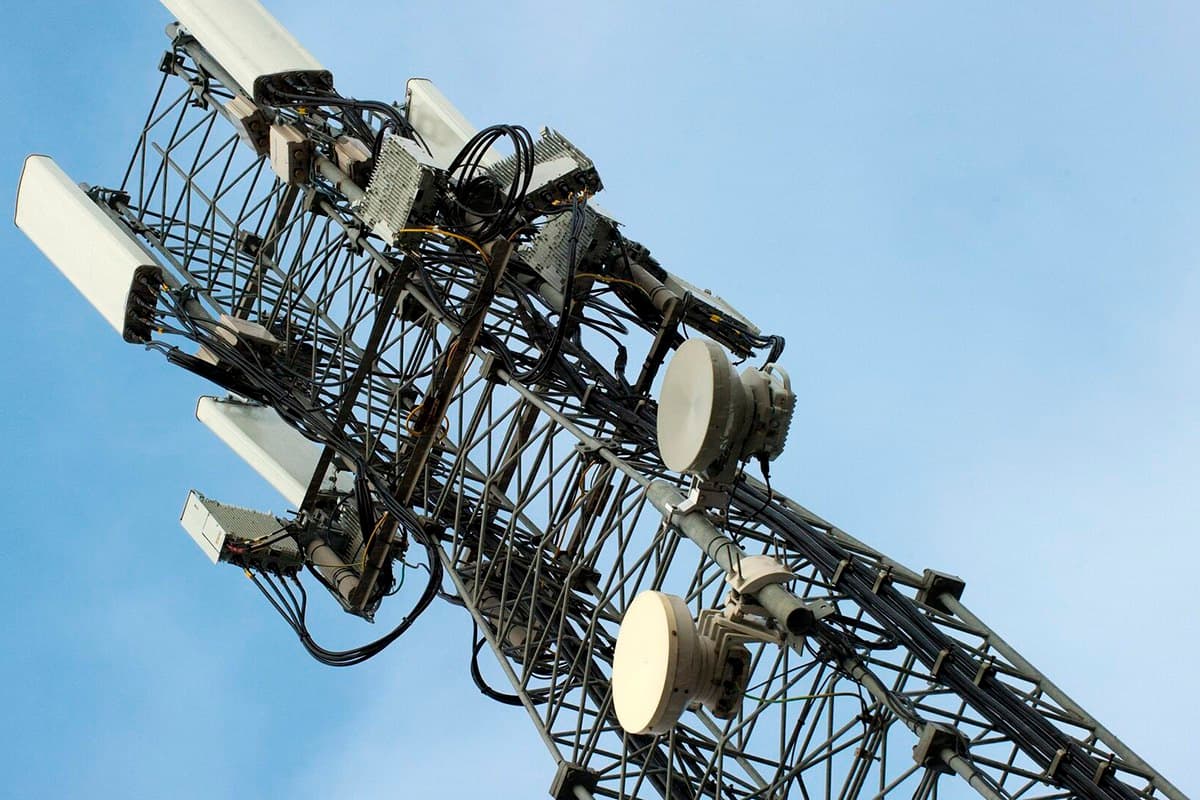
To manage high-load areas, operators have begun commercial testing of 5G networks in Tashkent and other major urban centers, focusing on IT parks, universities, and business clusters. Future rollouts are planned for Samarkand, Bukhara, and Fergana.
Strategic transformation and infrastructure
The rapid evolution of the market is accompanied by a deep regulatory shift. The Law on Telecommunications, adopted in late 2024, has introduced stricter requirements for infrastructure quality and data protection while fostering more transparent competition. Furthermore, the "Digital Uzbekistan – 2030" initiative continues to accelerate the expansion of fiber-optic networks across the country.