Under the new plans, the Ministry of Defense will establish a General Directorate of Digital Technologies, a Department of Artificial Intelligence Technologies, and a dedicated cybersecurity laboratory within its central apparatus. Additionally, a Satellite Communications Center will be launched to ensure reliable and stable connectivity across all regions of the country.
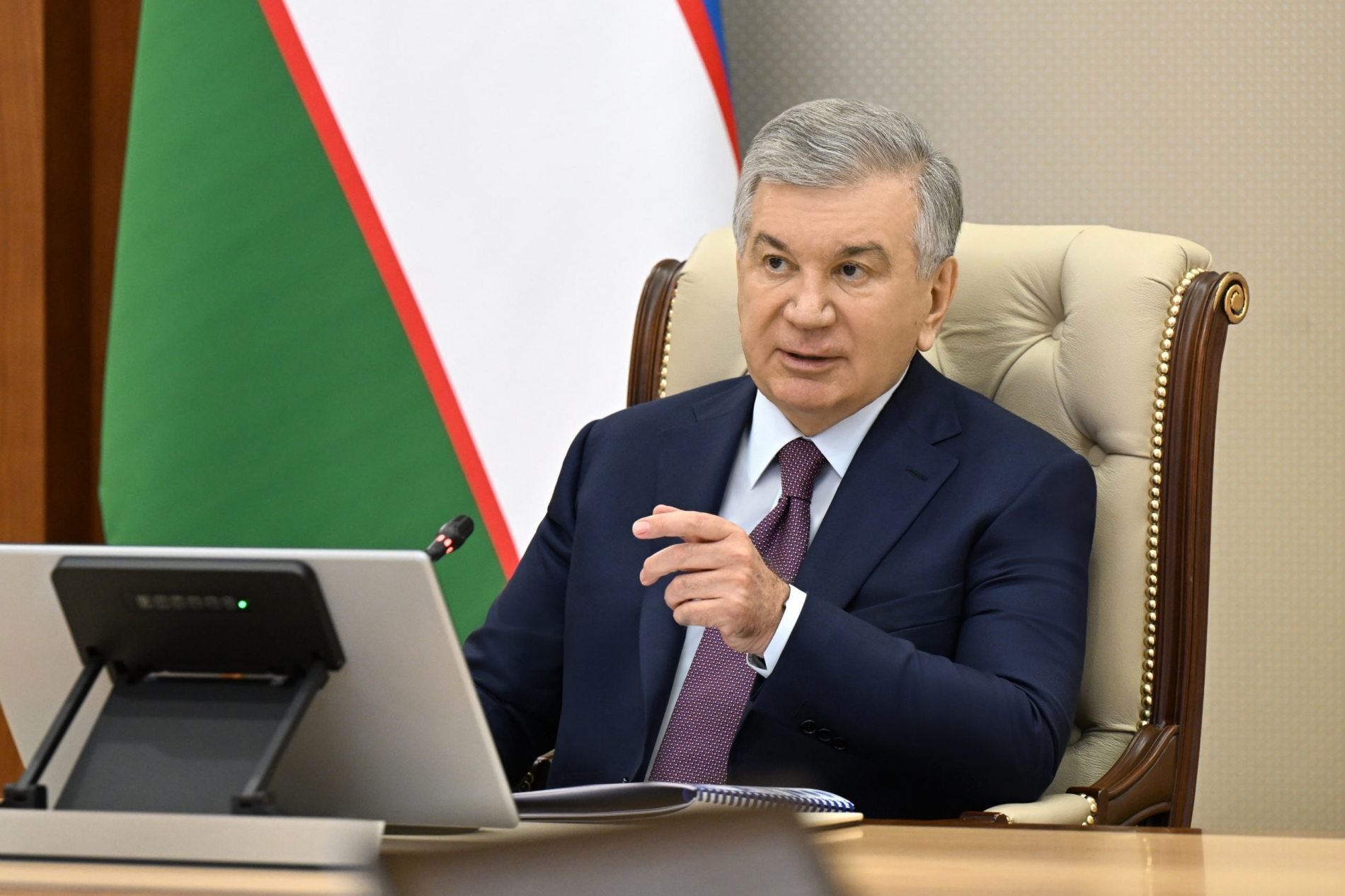
To oversee this digital evolution, the position of Deputy Minister of Defense for Digital Policy has been introduced. Similar roles dedicated to digitalization, AI, and cybersecurity will also be established at the military district level to ensure the unified implementation of technology policies across the Armed Forces.
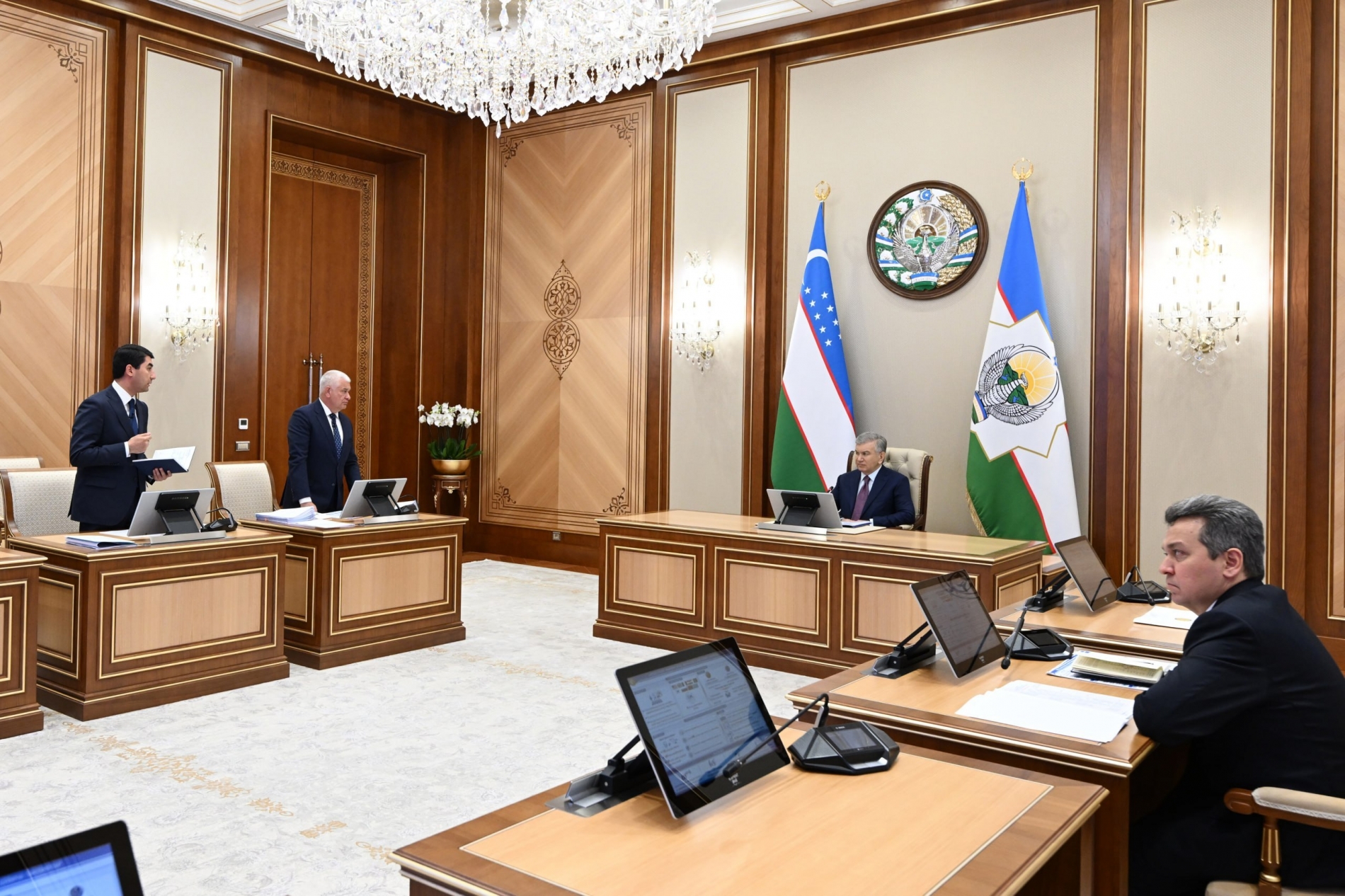
Recent years have already seen the modernization of communication infrastructure and the deployment of secure data exchange channels within the ministry. The current proposals aim to build on this foundation by expanding the use of automated control systems and introducing robotic and autonomous complexes. The president emphasized the importance of conducting targeted research and development to support these high-tech advancements.
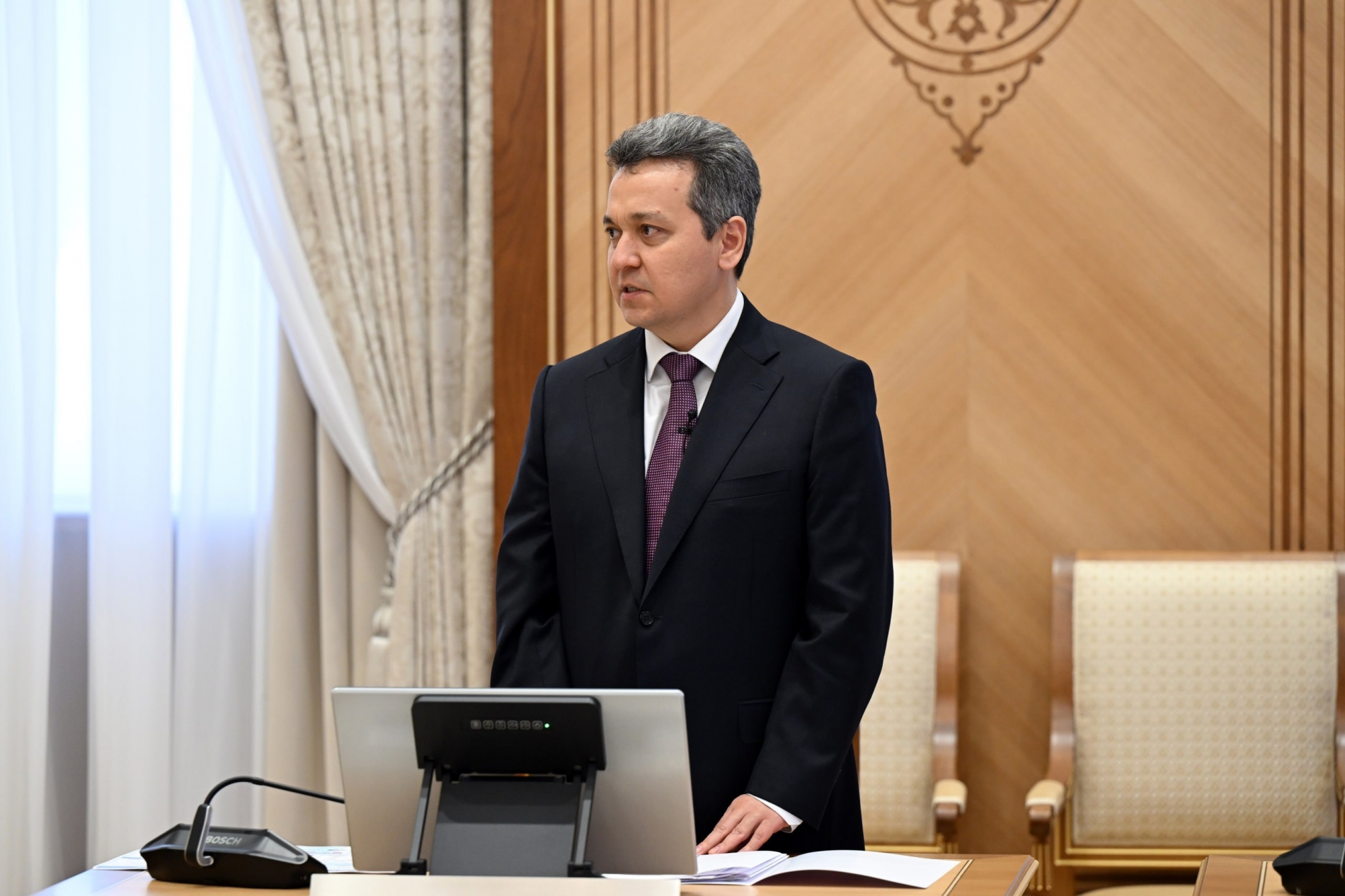
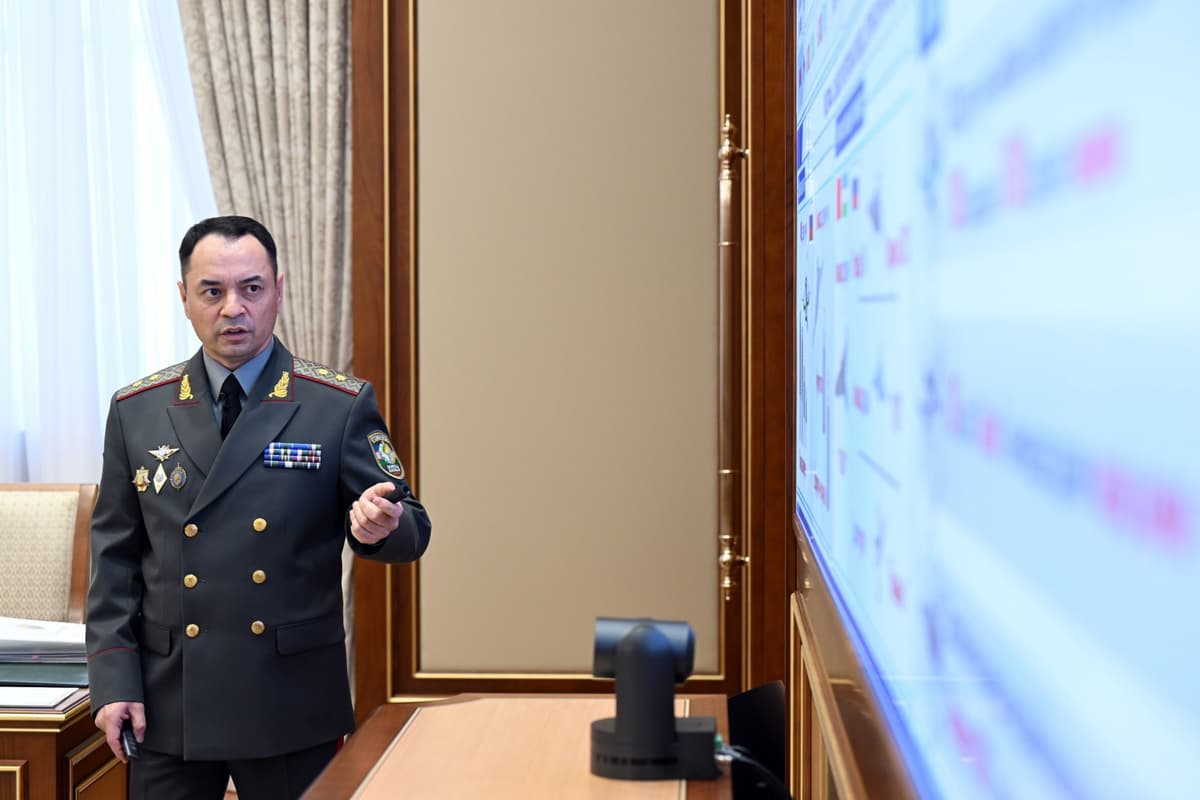
Following the presentation, the Supreme Commander-in-Chief signed several documents formalizing the transition. These directives include tasks to fully digitalize the defense sector, develop national AI models tailored for military use, and further refine the system for training highly qualified military personnel.