The groundwork for this move was laid on April 6, 2026, when Farrukh Pulatov, Chairman of the Tax Committee, presented proposals to the president regarding the monitoring of card-to-card operations. By mid-May, reports began circulating on social media of individuals being summoned to tax offices to explain frequent incoming transfers on their personal accounts. According to the "Potrebitel.uz" Telegram channel, cases have surfaced where individuals with over 2,500 transactions over three years or annual turnovers exceeding UZS 500,000,000 were required to provide month-by-month justifications for their funds.
A leaked photograph of an official notification sent to a suspected entrepreneur illustrates the severity of the crackdown. The letter claims that "based on internal tax data and external sources," the individual concealed their tax base by accepting sales proceeds on a personal card between January and November 2025. The notice warns that concealing the tax base carries a penalty equal to 20% of the hidden amount. Under Article 138 of the Tax Code, recipients have ten days to either correct their tax reports or provide evidence that the discrepancies are justified.
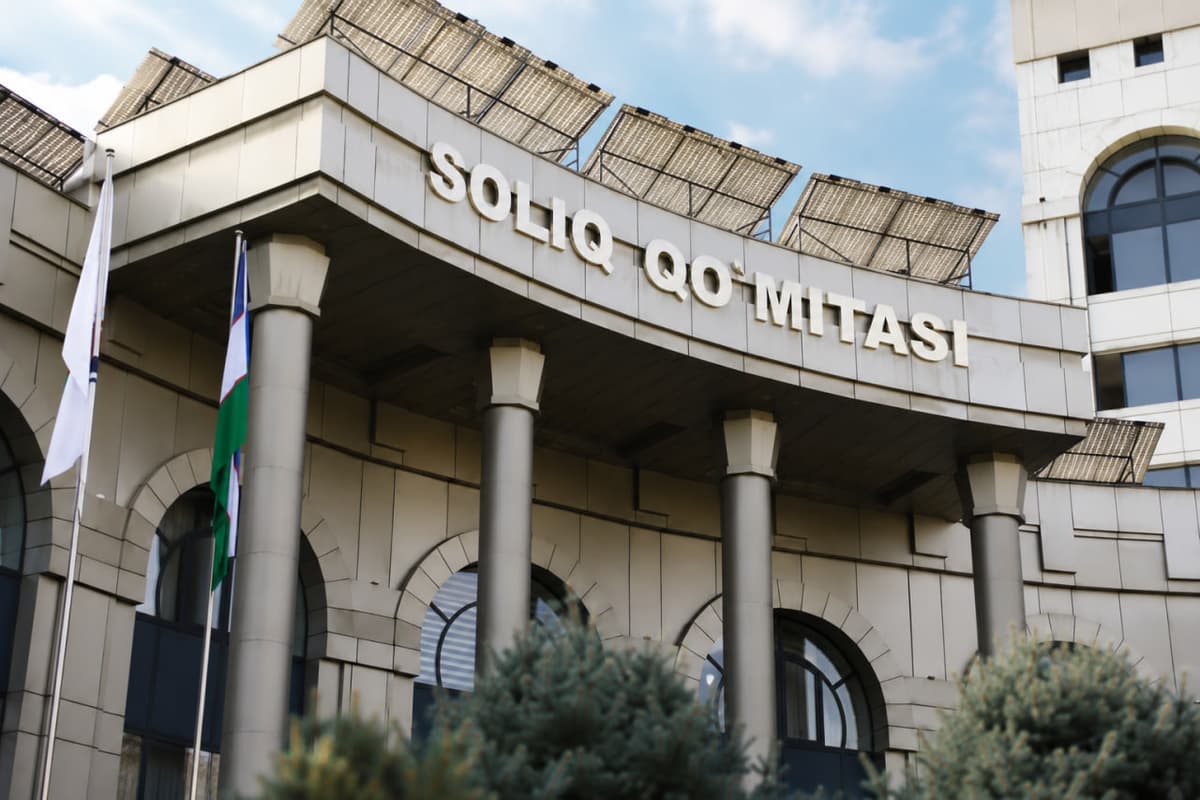
In a formal statement issued on May 13, the Tax Committee clarified that the primary focus is on the bank cards of executives at legal entities. The committee noted that failing to reflect trade income in official reports prevents the state budget from being fully formed. Officials reiterated that the process is not intended as a punitive measure or a form of pressure, but rather as a step toward "economic justice" and supporting businesses that operate within the law.
However, the legal basis and transparency of these checks have come under fire. Economist Shuhrat Kurbanov raised concerns regarding the criteria used to select targets for audits. He questioned whether the authorities are conducting blanket checks or focusing on specific high-volume users. Kurbanov contrasted the current situation with the model in Kazakhstan, where specific thresholds, such as receiving transfers from more than 100 different individuals over three months totaling over a set amount, trigger an investigation.
Kurbanov also warned that "over-digitization" might backfire by pushing people away from traceable electronic payments toward cash. He emphasized that while everyone should pay taxes, it is crucial to understand why businesses prefer personal transfers over official accounts. Furthermore, he questioned how the tax authorities are obtaining data that should theoretically be protected by the Law on Bank Secrecy. While Article 11 of that law allows data sharing for taxation purposes, Kurbanov expressed doubt that this gives the state the right to conduct mass, unguided surveillance of private bank accounts.