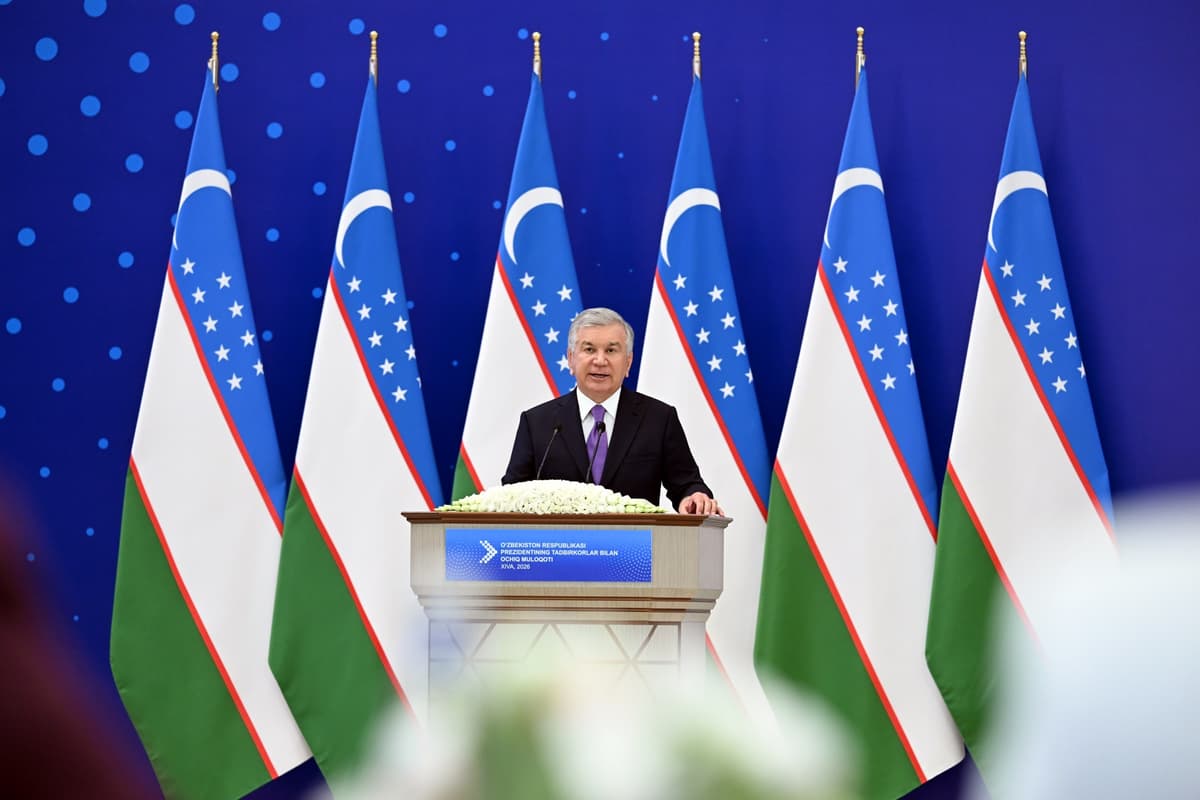
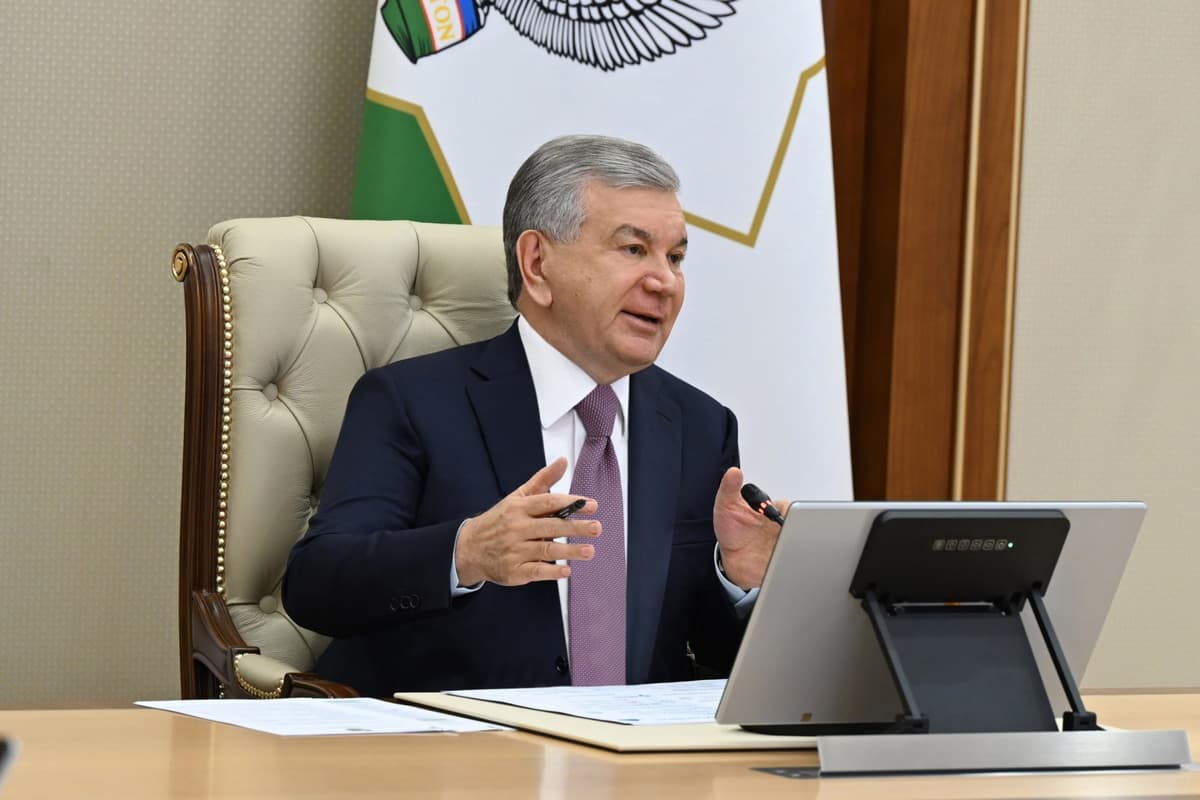
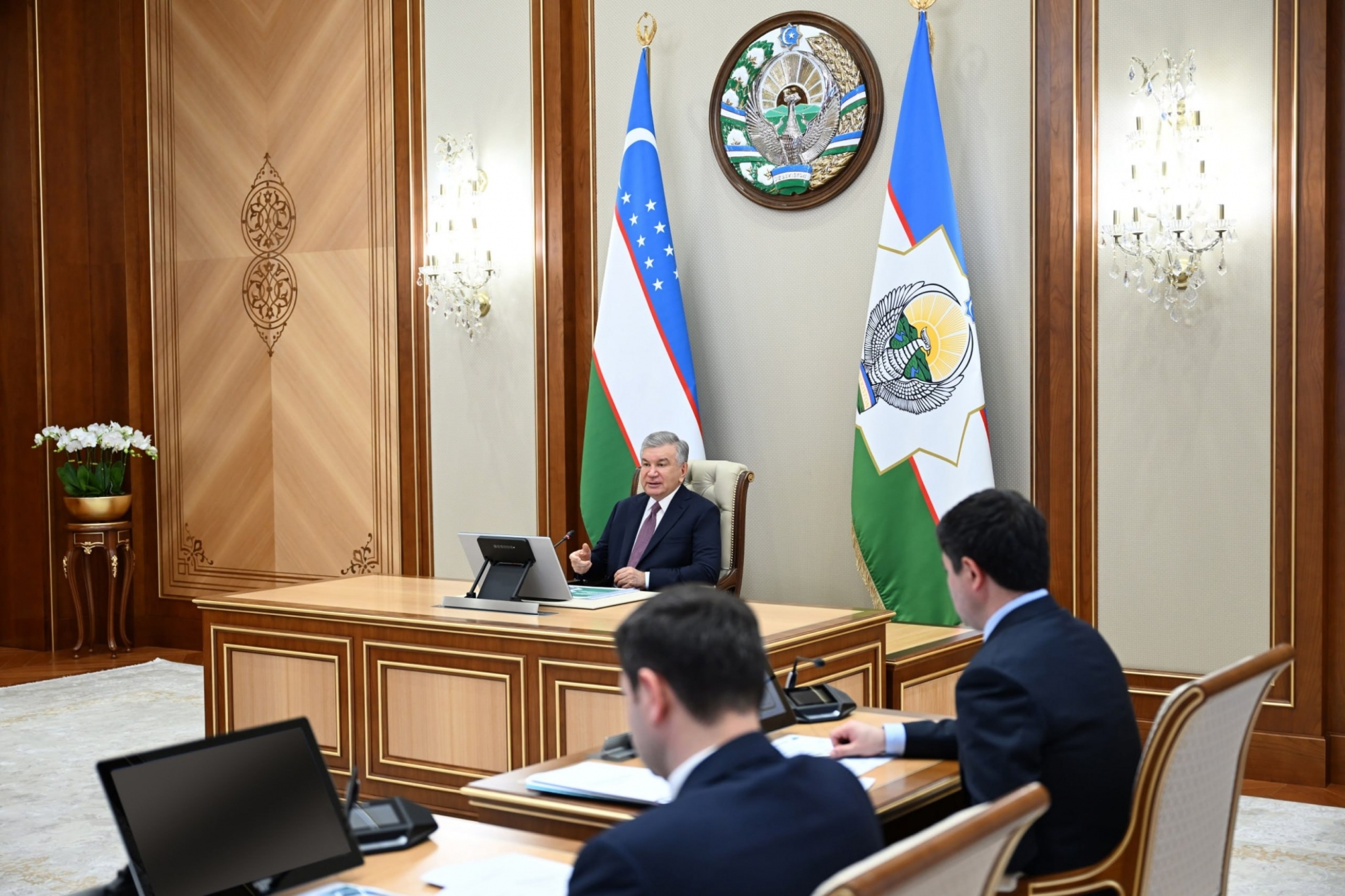
The change is part of a broader package of reforms reviewed and approved by President Shavkat Mirziyoyev, aimed at reducing administrative pressure on small businesses and encouraging transparent growth.
The existing threshold was set in 2019 and has not been adjusted since, even as prices rose considerably over the intervening years. Officials noted that as businesses approached the UZS 1 billion mark, some resorted to concealing turnover, withholding receipts, or artificially splitting operations across multiple entities to avoid crossing into the general tax regime. Raising the threshold fivefold is intended to remove that incentive.
A simplified VAT option for key sectors
Alongside the threshold change, a voluntary 6% VAT rate will be introduced for businesses in the catering, trade, and services sectors. Under this option, entrepreneurs can choose to pay VAT at the reduced rate and be exempt from profit tax, rather than continuing under the standard general regime. The measure is expected to simplify tax calculation and reporting, cut red tape, and reduce the appeal of artificial business splitting.
The scale of the problem with VAT administration was also laid out: businesses that switch to the VAT regime face twice as many reporting requirements, and in 2025, VAT payers accounted for 77% of all taxpayers in whom reporting errors were identified.
To address this, the reform package includes automatic VAT refunds for low-risk entrepreneurs, the abolition of the procedure for temporarily suspending VAT payer certificates, a review of mandatory VAT registration for imports, and the automation of bank account opening processes.
Fewer audits, more room to self-correct
To ease administrative pressure on small businesses further, the proposals give entrepreneurs the right to independently correct errors before facing penalties. Tax audits would not be conducted where the tax risk is below UZS 500 million, and field tax inspections would be waived for risks below UZS 100 million.
The hospitality and catering sectors stand to benefit from additional relief: the package proposes allowing cash sales of alcohol and tobacco products, scrapping the cashless revenue share requirement for partial VAT refunds, and simplifying the formal employment registration process for certain categories of staff.