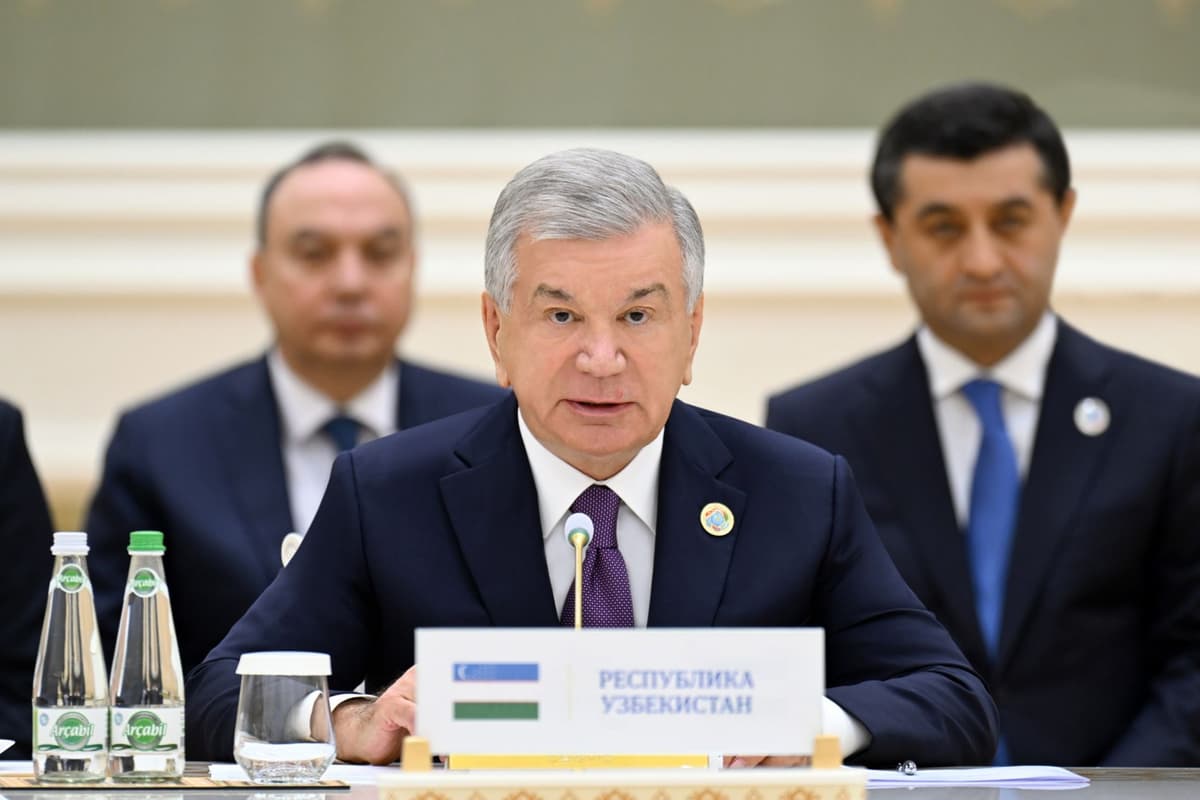
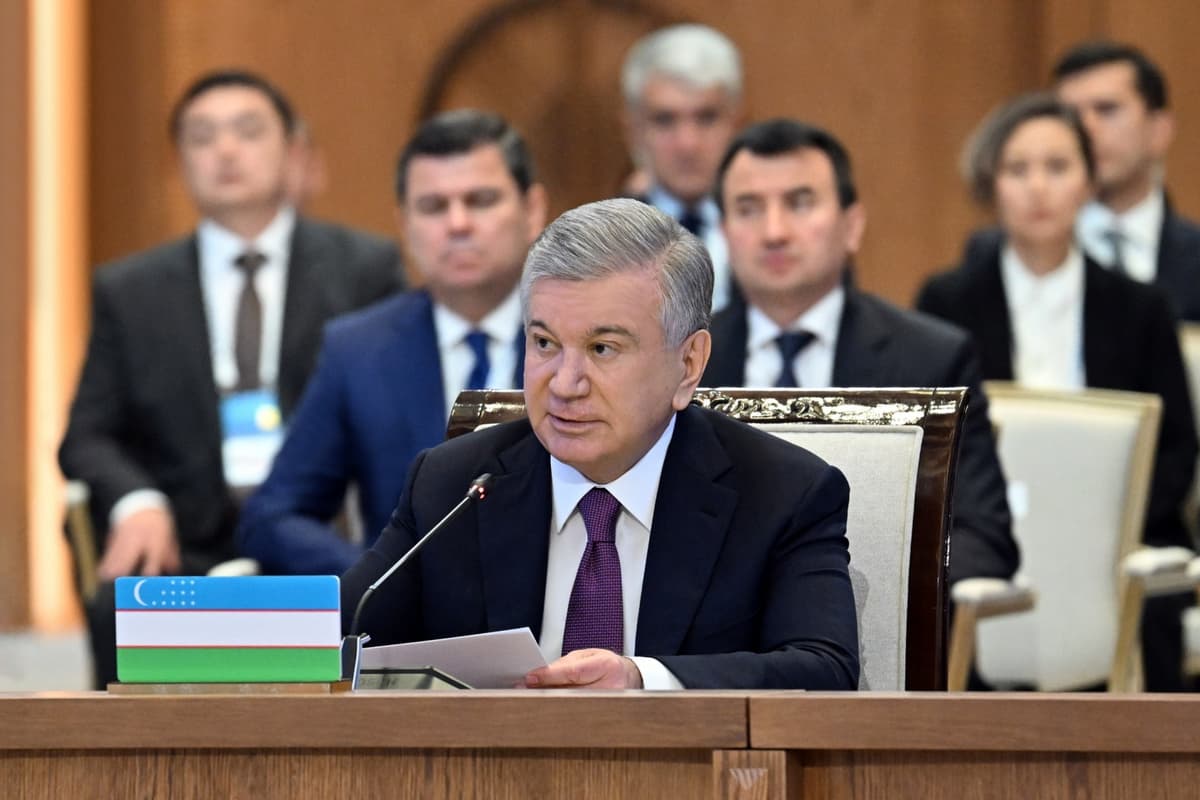
Attending the international summit as an observer state leader, President Mirziyoyev emphasized that relations between Uzbekistan and the bloc have transitioned into a comprehensive economic partnership. Mutual trade volume continues to grow, industrial cooperation is deepening, and logistical ties are strengthening alongside emerging collaborations in the digital economy, energy, and services.
Uzbekistan plans to convene a Joint Working Group meeting in autumn to adopt a new cooperation plan with the Eurasian Economic Commission. This follows the recent approval of a road map designed to align technical regulation systems, as well as the opening of an Eurasian Development Bank office in Tashkent, which has already established a specific project portfolio.
To further strengthen this relationship, the head of state outlined five priority areas for future cooperation:
Creating a single digital space for barrier-free trade is the first priority. This initiative focuses on coordinating approaches to develop and regulate e-commerce, establishing digital data exchange for customs, phytosanitary, and veterinary controls, certifying product origins, and gradually introducing the mutual recognition of electronic documents.
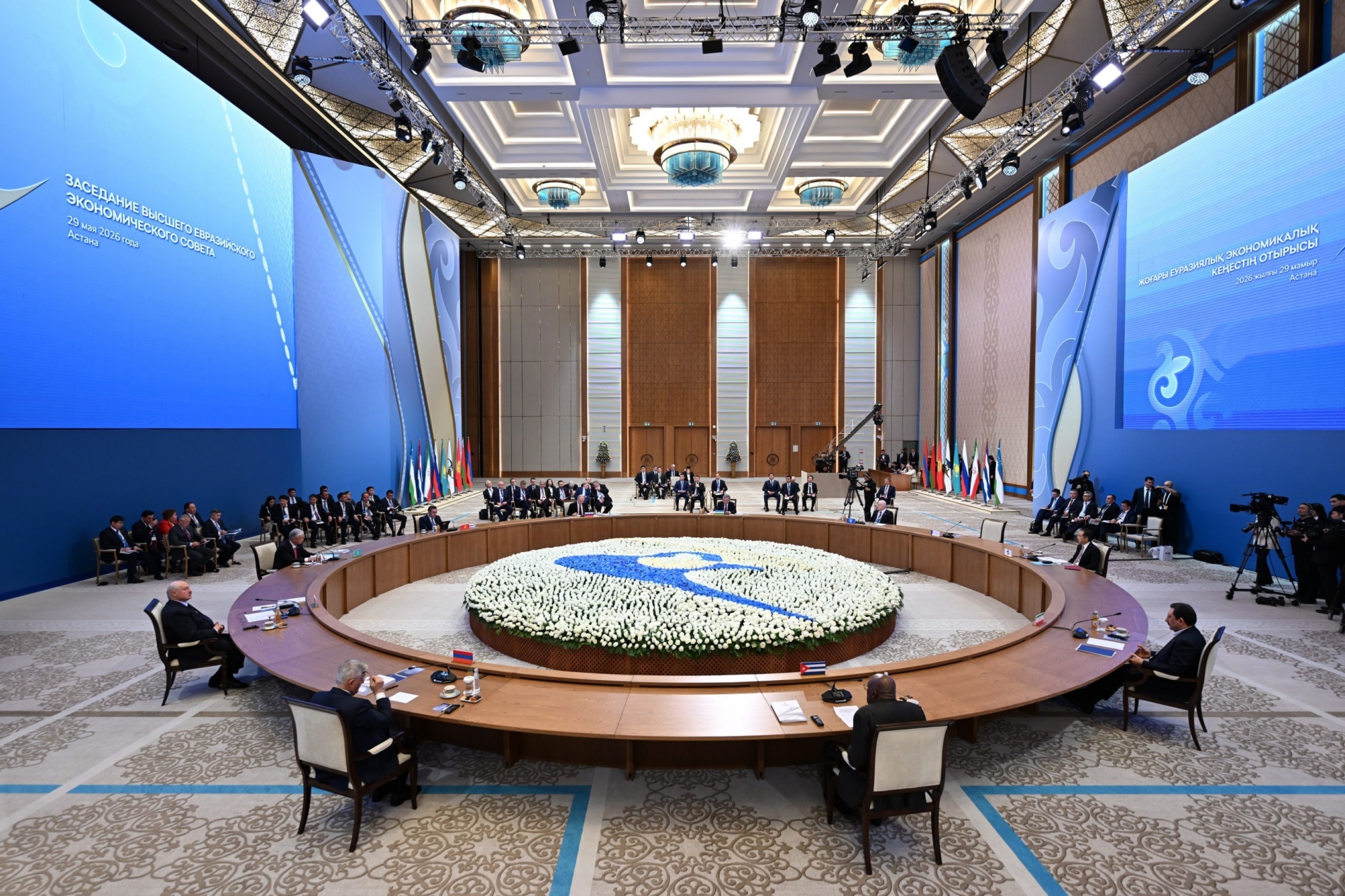
The second focus aims to provide fresh impetus to industrial cooperation. Spurred by growing business interest in production localization, technological partnerships, and new supply chains – as demonstrated at the sixth Innoprom Central Asia exhibition held in Tashkent in April – Uzbekistan is prepared to establish a joint project office with the Eurasian Economic Commission. Operating on a single-window basis, this office will select partners, support initiatives within free industrial zones, and help attract financing. Uzbekistan is also ready to develop additional incentives for high-tech residents from EAEU countries.
Adopting a joint program for the green transformation of industries is the third priority. This plan will focus on improving energy efficiency, introducing clean technologies, and reducing the carbon intensity of products. The President noted that green transformation is no longer just an environmental issue, but a critical factor in ensuring long-term industrial competitiveness.
The fourth priority addresses labor migration by interconnecting national electronic employment services. This integration aims to create a unified digital environment where citizens can access reliable information on vacancies, employment terms, and migration laws. The initiative intends to align labor market needs, improve worker qualifications, strengthen the protection of citizen rights, and mitigate the risks of informal employment.