




Additional features
-
Night mode

Small businesses in Uzbekistan granted major tax relief and automated VAT refunds
A newly issued presidential decree, titled “On creating more favorable economic and administrative conditions for the growth of small business entities,” has introduced sweeping tax reliefs and structural changes aimed at easing the burden on entrepreneurs in Uzbekistan. The reforms specifically target the value-added tax (VAT) framework, which has long been a source of operational difficulties for local businesses.
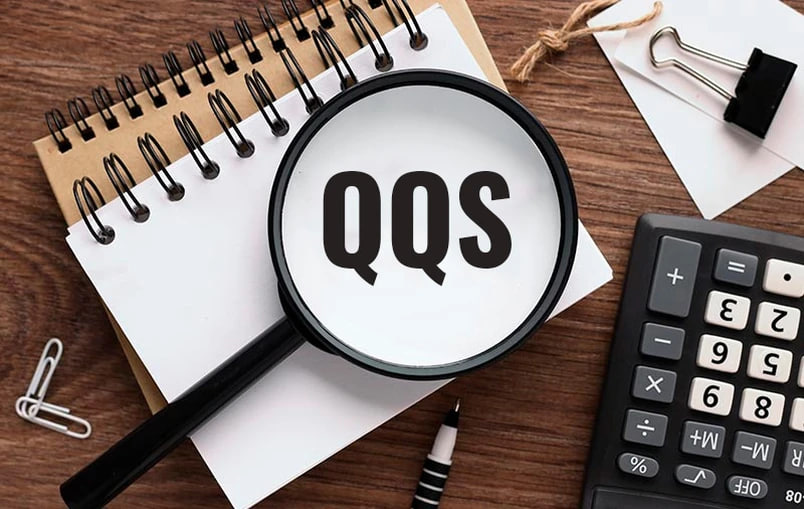
A major highlight of the decree is the substantial increase in the threshold for entering the general tax regime. Starting June 1, 2026, the transition threshold will be set at 12,000 times the Base Calculating Amount (BCA), which currently equals UZS 4,944,000,000. This marks a massive update to the previous threshold of UZS 1,000,000,000, which had remained unchanged since January 1, 2020.
Furthermore, from June 1, 2026, until January 1, 2030, business entities primarily engaged in public catering, trade, or services will have the option to choose a simplified VAT mechanism. This option excludes large taxpayers and enterprises with a state share of 50 percent or higher. Under this simplified regime, a flat 6% VAT rate will apply to all turnover from goods and services, corporate income tax will be cut to 0 percent, and reporting obligations will be lifted. However, these businesses will lose the right to offset VAT paid on purchases, and existing general VAT exemptions or refunds will not apply. Buyers purchasing from these businesses will retain their right to offset VAT, and the Tax Committee is tasked with updating electronic invoicing systems within a month to accommodate the 6% rate.
The decree also tackles long-standing administrative hurdles. The practice of temporarily suspending VAT certificates has been abolished, and importing entities, individual entrepreneurs, and the self-employed are no longer mandatorily recognized as VAT payers. From January 1, 2027, the human element will be eliminated from the process of refunding negative VAT differences for low-risk taxpayers. By October 1, 2026, the Tax Committee and the Ministry of Economy and Finance must launch a real-time risk assessment system to automate these refunds. Additionally, any existing negative VAT discrepancies up to UZS 10,000,000 will be refunded automatically without requiring an application or triggering a tax audit.
To reduce administrative pressure, small businesses will be allowed to independently correct tax discrepancies flagged by automated risk assessment software until January 1, 2028. During this period, tax audits will be waived for tax risks under UZS 500,000,000, and on-site tax inspections will be skipped for risks under UZS 100,000,000. Additionally, the process of unblocking bank accounts after submitting explanations for desk tax audits will be fully automated starting July 1, 2026. From 2027, small businesses can also deduct twice the cost of hiring accounting firms and tax consultants.
Specific reliefs have been tailored for the hospitality and public catering sectors. Beginning June 1, 2026, these establishments are permitted to accept cash payments for alcohol and tobacco sales, and digital marking codes for purchased alcohol will be recognized as finalized at the point of sale. Catering businesses can now use a simplified mobile app from labor authorities for same-day, fixed-term staff registration and payroll. They will also receive a 40 percent refund on paid VAT, regardless of their share of non-cash revenue. By January 1, 2027, retail alcohol licenses and catering alcohol sales fees will merge into a single rate set at 10 percent of the BCA.
Finally, lease terms have been adjusted. For trade, catering, and service businesses, the rent for utilizing land adjacent to their buildings will be pegged directly to the standard land tax rate. From January 1, 2027, minimum lease rates for tax calculations will no longer apply when individuals or legal entities lease properties exceeding 1,000 square meters to businesses, except within the city of Tashkent.
The provisions of the decree enter into force immediately unless a later date is specified, and the Cabinet of Ministers has been given one month to submit corresponding legislative amendments.

Related News
13:29
Uzbekistan considers mandatory social tax for self-employed workers
12:16 / 14.07.2026
Uzbekistan introduces 50% VAT cashback for major business tourism events

09:30 / 14.07.2026
I receive part of my salary in cash. What will happen to my employer

11:43 / 10.07.2026