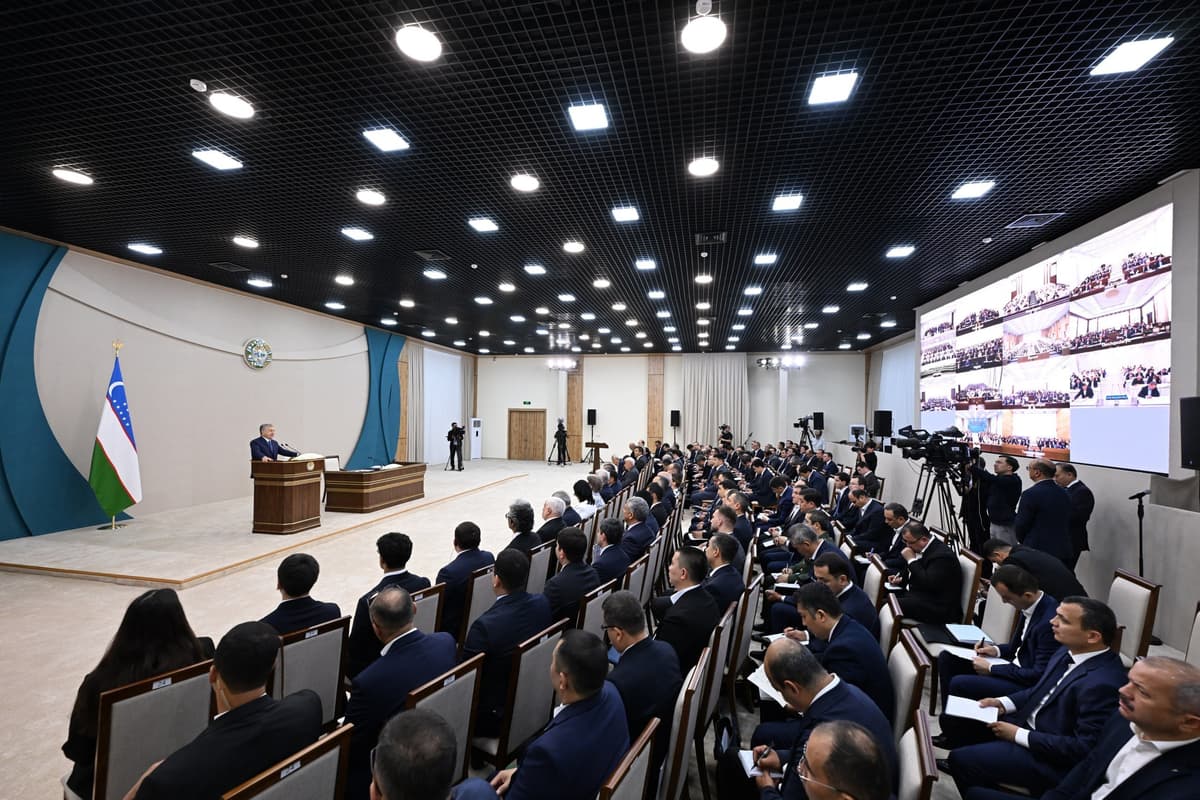
Over the past decade, Uzbekistan's chemical sector has undergone a noticeable expansion. Fueled by $8.3 billion in investments, the country has rolled out 87 major industrial projects, expanding its workforce past 50,000 employees and diversifying into 60 types of high-value commodities, including polypropylene, polyvinyl chloride (PVC), and green hydrogen. This industrial shift helped triple chemical exports compared to 2016 levels.
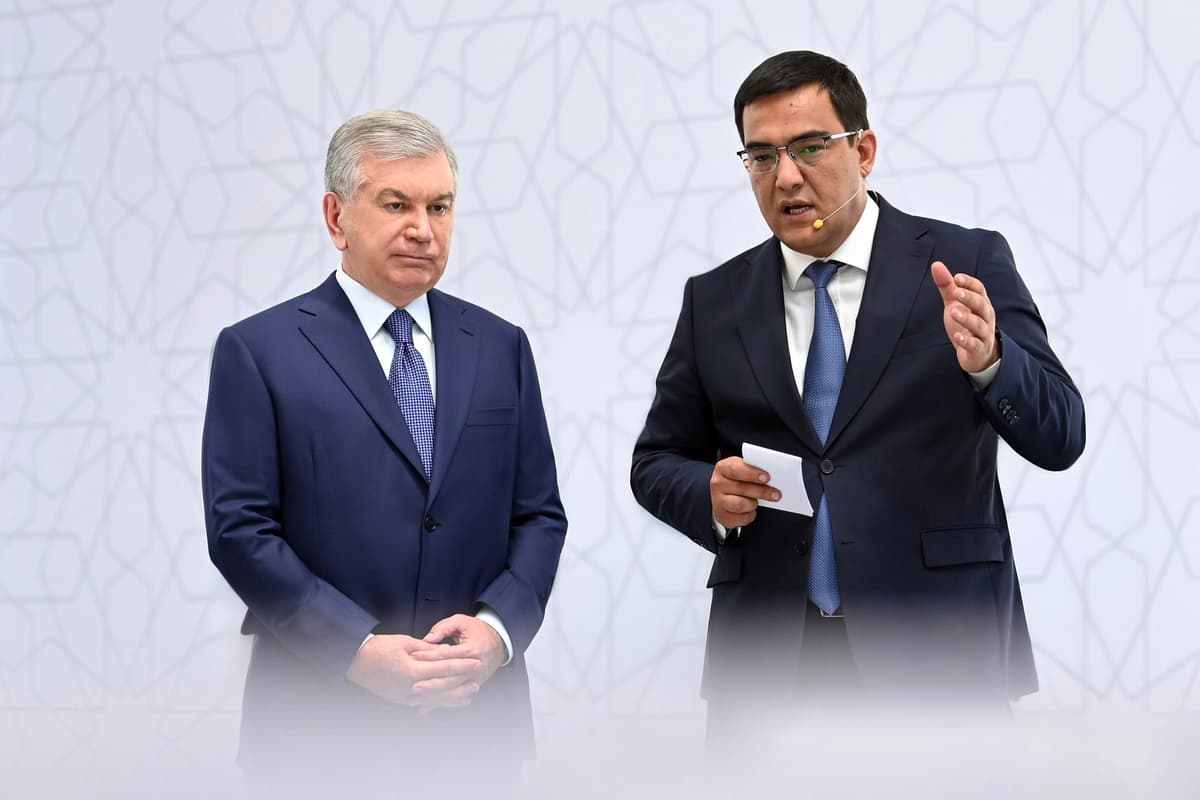
Despite these gains, the president delivered a critical assessment of the sector's structural inefficiencies. The average annual growth rate of the chemical industry has hovered below 3% over the past nine years. Consequently, domestic production covers less than 60% of national demand, forcing chemical imports up to $4.5 billion. Furthermore, the added value generated per worker in Uzbekistan remains two to three times lower than international benchmarks, a deficit Mirziyoyev attributed to the state chemical holding company Uzkimyosanoat failing to cooperate effectively with the more than 5,000 small and medium-sized enterprises operating in the market.
To bridge this gap, the government plans to pivot away from outdated, resource-intensive practices. For instance, Uzbekistan currently consumes over 1 billion cubic meters of natural gas annually to produce 1.5 million tons of ammonium nitrate. Meanwhile, developed economies have shifted toward urea and water-soluble fertilizers for agriculture, and porous nitrate for mining. Mirziyoyev emphasized that porous nitrate generates double the added value of traditional ammonium nitrate at a nearly identical production cost, making it a priority for immediate industrial expansion.
A similar value gap exists at the Navoiyazot plant, where a ton of raw cyanide salt sells for $3,700, whereas the advanced adhesives manufactured from it command a market price of $8,000. Capitalizing on these margins forms the core strategy behind the newly mandated $1 billion Navoiyazot specialty cluster.
Resource utilization will also extend to regional mineral deposits. Although the Republic of Karakalpakstan, along with Navoi, Kashkadarya, and Surkhandarya regions, holds 550 million tons of sodium and potassium salts alongside 20 million tons of bentonite, processing efficiencies must be improved to prevent caustic soda production costs from tripling.
Additionally, the country possesses 2 million tons of serpentinite reserves. Processing this mineral with sulfuric acid yields magnesium oxide, valued at up to $5,000 per ton, which can be further refined to isolate nickel, chromium, and cobalt – critical raw materials for the global electronics and electrical engineering industries. President Mirziyoyev ordered the immediate development of serpentinite processing ventures valued at a minimum of $200 million.