Currently, the Uzbekistan Technological Metals Complex limits its core operations to processing tungsten and molybdenum. However, official assessments indicate that developing new deposits, setting up advanced processing mills, and constructing hydro– and pyrometallurgical plants will enable industrial-scale production of up to 28 types of critical minerals.
Implementation of 120 projects worth $4.2 billion
To unlock this resource potential, the government finalized a strategic roadmap spanning 2026–2030, which outlines the deployment of 120 specialized projects with a cumulative valuation of $4.2 billion. Implementing these initiatives is projected to drive the critical minerals sector’s overall output value to $1 billion by 2028, and to $2 billion by 2030.
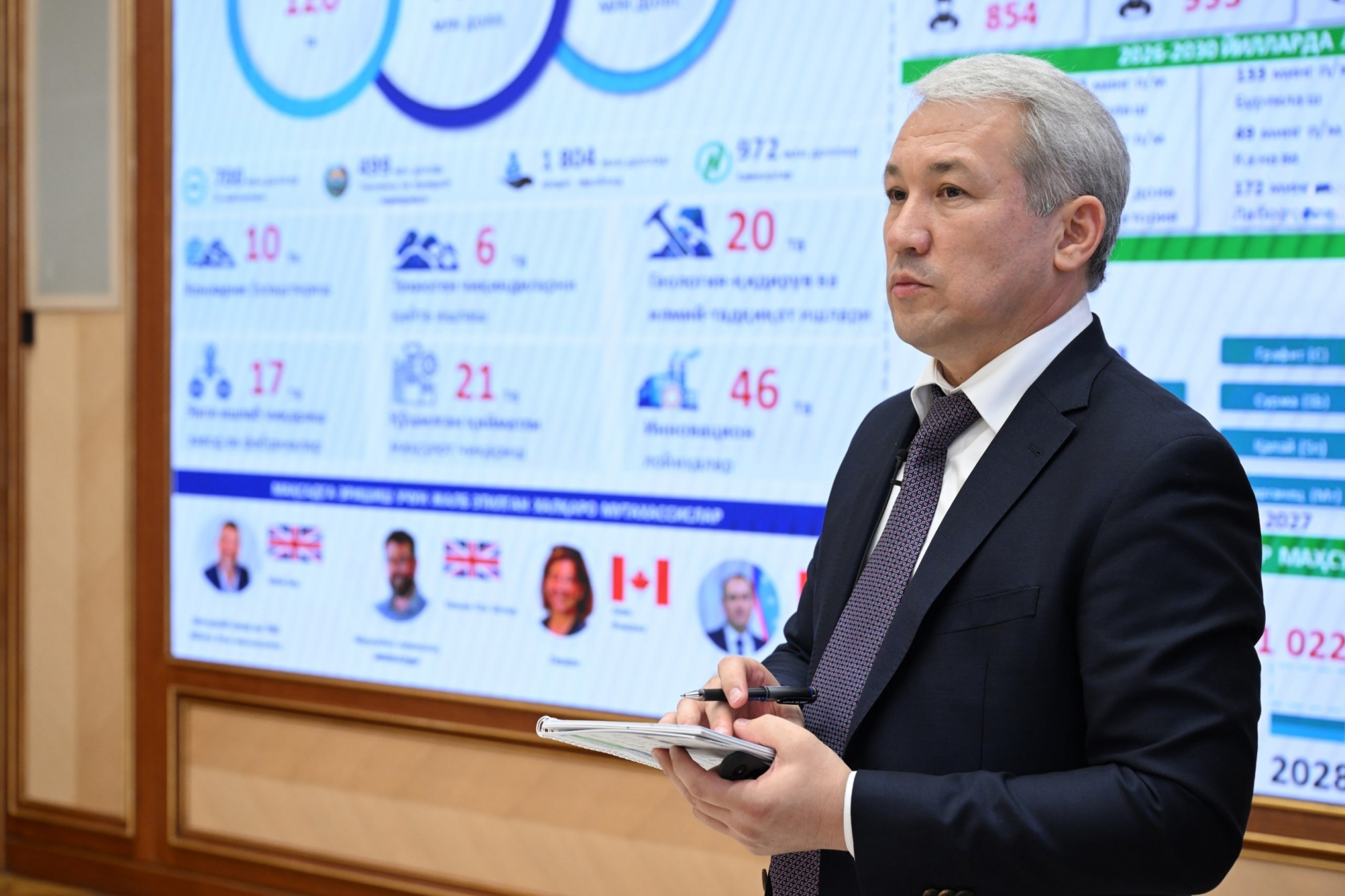
For the current year alone, the execution of 12 projects worth $166 million is underway. This immediate expansion will initiate the localized manufacturing of three high-purity metals – selenium, tellurium, and rhenium – along with 21 categories of import-substituting components, including powder metallurgy automotive parts and sulfuric acid. The fresh production capacities will generate hundreds of high-skill jobs, boost tax revenues, and elevate export capabilities.
Development of Future Metals Tech Park in Chirchiq
Special emphasis has been placed on building full-cycle production lines for tungsten and molybdenum under a strict "raw material – processing – finished product" chain. The objective is to shift away from exporting raw concentrates or semi-finished items toward manufacturing high-value metal powders, alloys, rods, wires, and specialized industrial components.
To facilitate this shift, the government is expanding the operations of the Future Metals Technopark and its integrated R&D center in the city of Chirchiq. The site will cultivate an environment for commercializing scientific research, supporting startups, and producing innovative high-purity metal products. The president instructed ministries to provide extra land and utility infrastructure incentives to tech park residents while drawing up a dedicated funding vehicle for local startup projects.
Establishment of a unified Central Asian research center
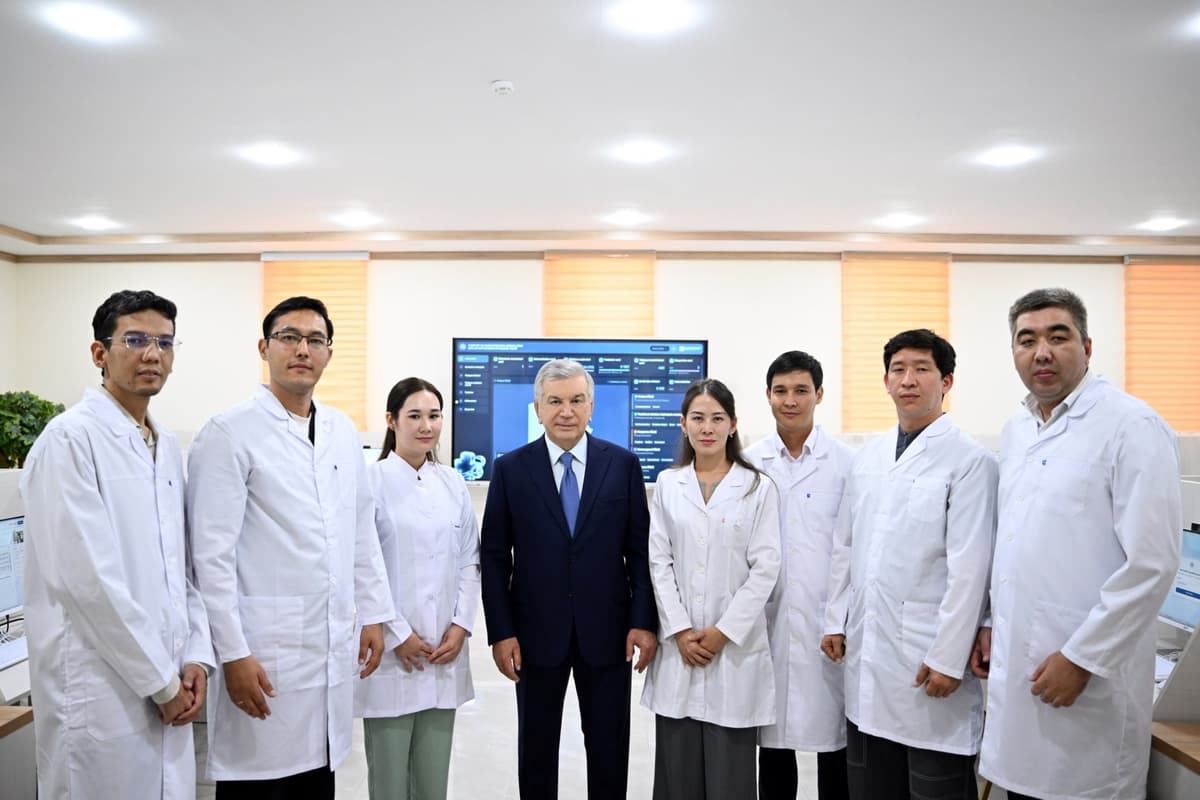
Plans are also moving forward to form a unified scientific research and technological hub for critical minerals serving the wider Central Asian region. A newly established nano-analysis laboratory in Chirchiq will deliver advanced analytical services for regional geology, mining, and metallurgy ventures. Once fully operational, the laboratory will handle up to 1,000 samples daily, localizing $6.5 million worth of analytical services currently imported from abroad, while generating an additional $4 million in service exports.