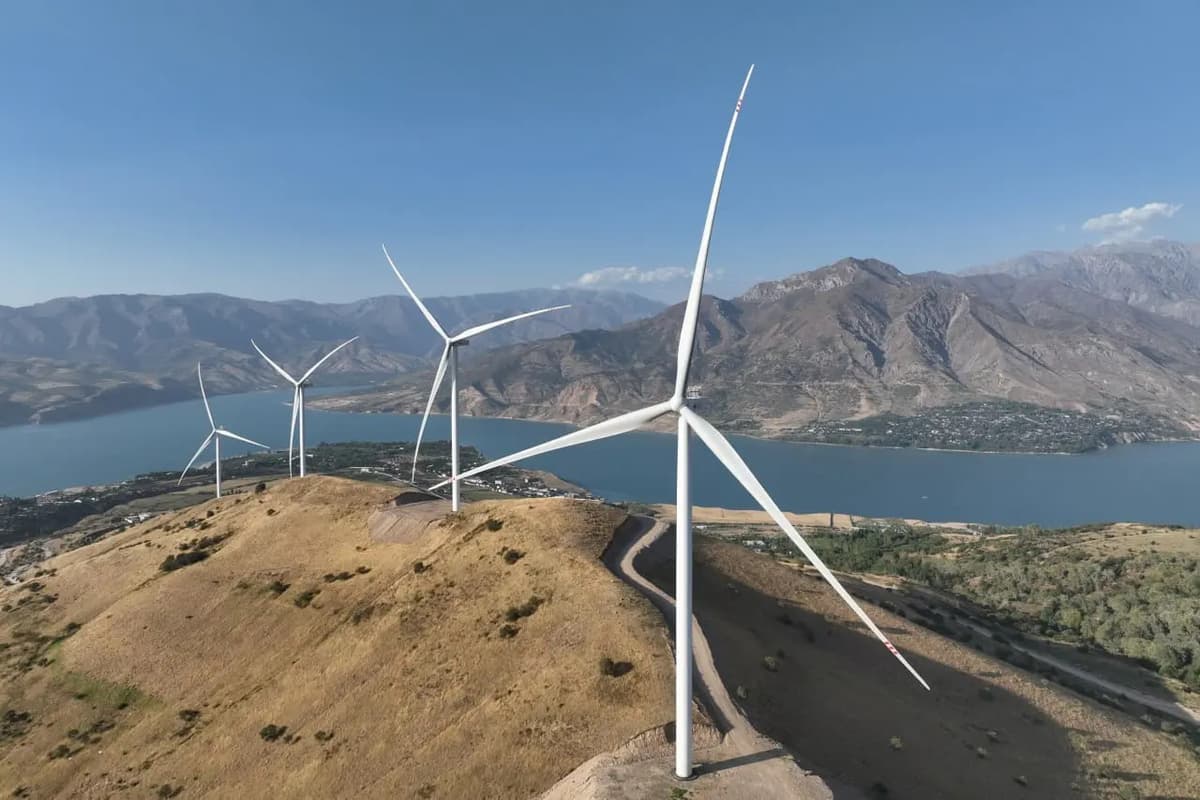
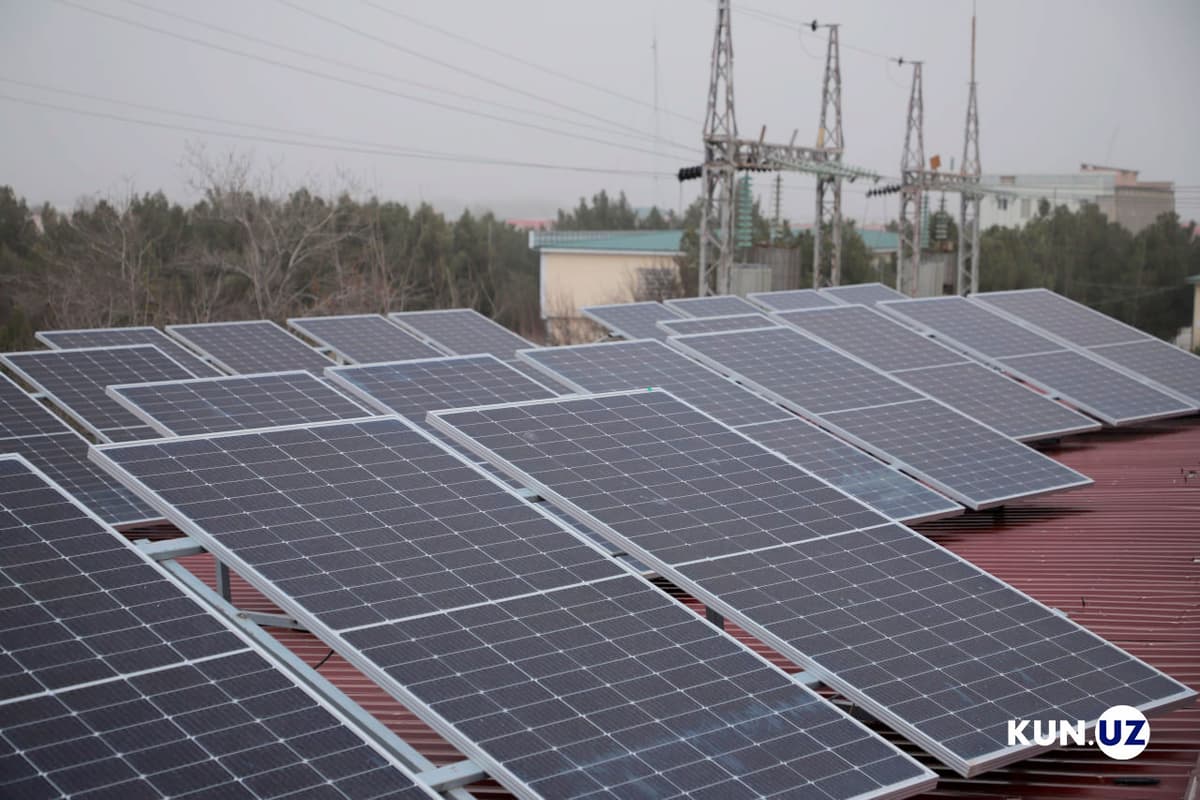
Launched on April 1, 2023, the Solar House initiative incentivizes individuals to adopt green energy. Households that install solar photovoltaic stations with a capacity of up to 50 kilowatt-hours receive a government subsidy of UZS 1,000 for every kilowatt-hour of electricity transferred back into the unified power system beyond their personal consumption. Under the established rules, if a household consumes 100 kilowatt-hours from the grid but its panels supply 500 kilowatt-hours to the network, the state must pay for the positive difference. These funds are legally mandated to be deposited via the Soliq mobile application by the 25th day of the month following the reporting period.
Driven by these assurances, thousands of citizens backed the initiative by investing their personal savings or taking out bank loans to purchase the equipment. However, numerous participants who contacted Kun.uz complained that their guaranteed payments for April have yet to arrive.
Islomjon Sobirjonov, a resident of the Kitab district in the Kashkadarya region, invested UZS 32 million in November 2025 to install a 10-kilowatt-hour solar array. His payouts began slowly, with UZS 20,000 in February and just over UZS 200,000 in March. Despite his system functioning continuously – feeding over 900 kilowatt-hours into the grid in April and more than 1,100 kilowatt-hours in May – he has received nothing for April.
Data suggests the bottleneck stems from an underfunded budget trapped by skyrocketing public participation. During the first quarter of 2026, roughly 45,200 individuals sold solar power back to the grid, receiving more than UZS 73.9 billion. By comparison, during the first quarter of 2025, only 12,700 people received subsidies totaling UZS 8.1 billion. This marks a 3.5-fold increase in the number of beneficiaries and a staggering ninefold surge in total payouts over the course of a single year. With the entire 2026 budget setting aside only UZS 100 billion for the program, the first-quarter expenditure alone swallowed nearly three-quarters of the annual allocation. At this current trajectory, actual costs could easily triple the earmarked funds.
When pressed for comment, the Ministry of Energy deflected responsibility, stating that the subsidies are financed directly from the state budget and that all distribution and payment issues fall strictly under the purview of the Ministry of Economy and Finances. Representatives from the Ministry of Economy and Finances would only state that they are currently working on the issue and intend to provide official information in the near future.