



Additional features
-
Night mode

Uzbekistan bans parole for high-level bribery and repeat corruption offenders
Individuals convicted of large-scale bribery, repeat corruption offenses, or mediating bribes will no longer be eligible for parole in Uzbekistan. A new law signed by the president on June 22, 2026, explicitly bars courts from granting early conditional release to those who engage in high-level or habitual graft.
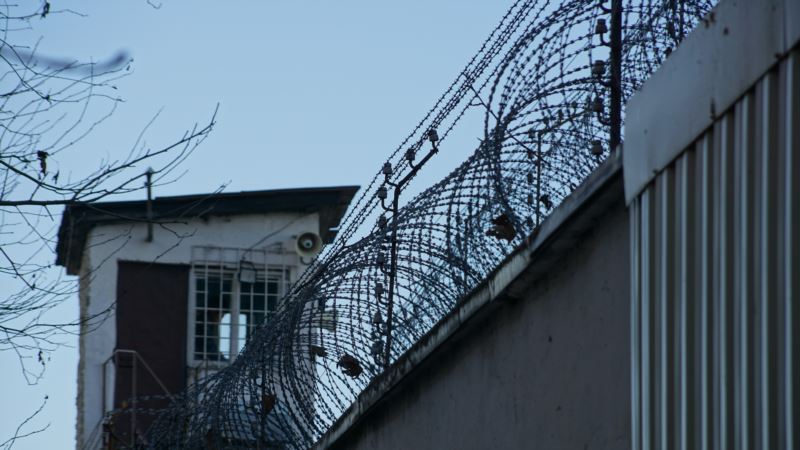
The strict measures target specific categories of financial crime, focusing on cases involving bribery on an exceptionally large scale, repeat offenses, or crimes committed by dangerous recidivists. The restriction applies uniformly across the board – covering not only public officials who accept substantial bribes but also those who offer them or act as intermediaries in illicit transactions. The legislation officially took effect upon its formal publication on June 23, 2026.
Under the Criminal Code of Uzbekistan, an "exceptionally large scale" is defined as any financial transaction or benefit valued at 500 times the national base calculating amount or higher. Based on current economic metrics, this legal threshold stands at UZS 206 million. Following a scheduled indexation of economic indicators set for later this autumn, the threshold will automatically adjust upward to UZS 220 million starting September 1, 2026.
By eliminating the possibility of early release for these offenses, the revised penal policy ensures that individuals involved in major corruption schemes will serve the full duration of their judicially mandated prison terms.

Related News
15:39 / 15.07.2026
Uzbekistan ranks 166th in global prison population ranking
17:45 / 14.07.2026
Interior Ministry: 18 officers died while on duty in six months

12:14 / 13.07.2026
How cybercriminals used hacked accounts and fake documents to steal millions in Uzbekistan
16:25 / 10.07.2026