Gold falls below $4,000 as Fed fears mount; what it means for Uzbekistan
Gold prices have fallen sharply this week, slipping below the psychologically important $4,000-per-ounce mark for the first time since November 2025 as investors reacted to growing expectations of tighter U.S. monetary policy and a strengthening dollar.
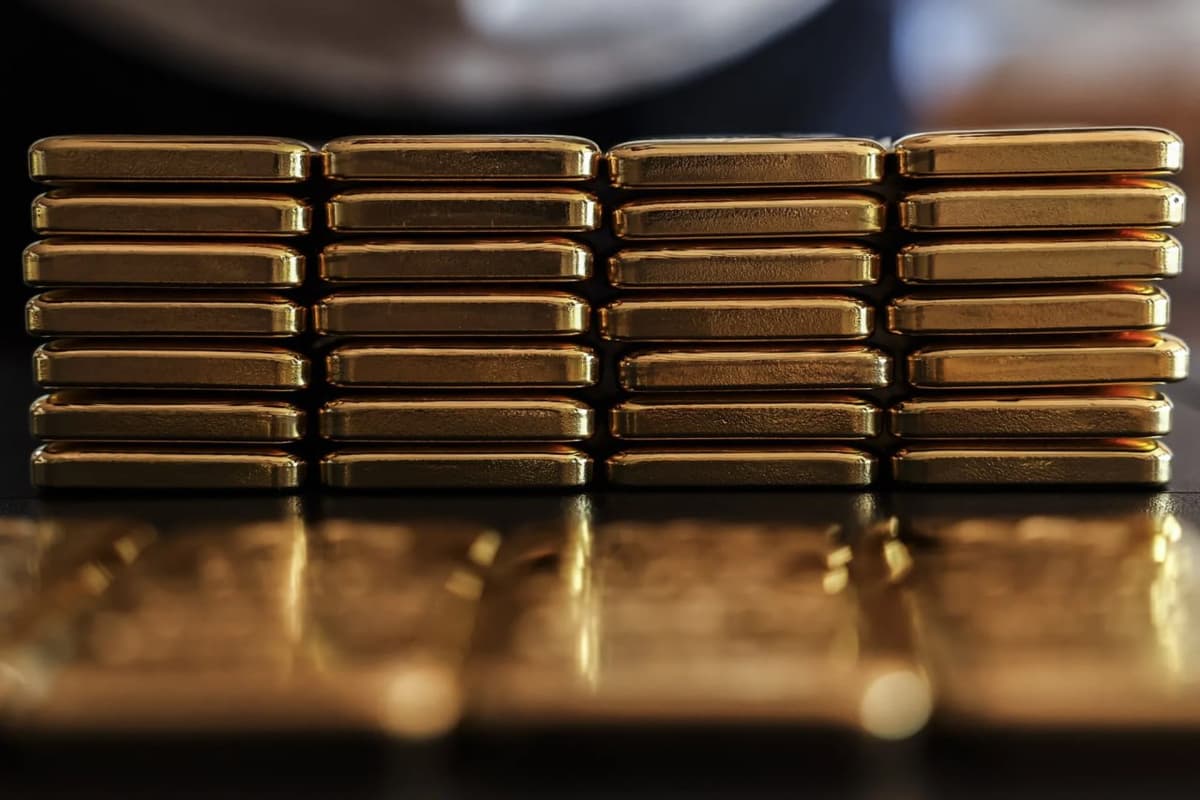
Spot gold was trading at around $3,993 per ounce on June 25, extending a multi-day decline that has erased a significant portion of the gains recorded during the metal's historic rally earlier this year. U.S. gold futures hovered just above the $4,000 threshold, while bullion touched its lowest level in seven months during intraday trading.
The latest selloff has been driven primarily by expectations that the U.S. Federal Reserve may resume raising interest rates later this year. Traders have increasingly shifted toward a more hawkish outlook following a series of economic indicators that pointed to persistent inflationary pressures in the United States.
A stronger dollar has added to the pressure. Because gold is priced in U.S. dollars, a stronger greenback makes the metal more expensive for holders of other currencies, often reducing demand and weighing on prices.
Gold traditionally performs well during periods of economic uncertainty and lower interest rates. However, rising borrowing costs increase the opportunity cost of holding non-yielding assets such as gold, prompting investors to move capital toward interest-bearing investments. Analysts say this dynamic is currently outweighing the metal's safe-haven appeal.
The latest correction is particularly relevant for Uzbekistan, where gold plays a central role in the national economy. The country is among the world's largest gold producers, and precious metals account for a substantial share of export revenues and foreign-exchange earnings. As a result, movements in global bullion prices can directly influence export receipts, budget revenues and the valuation of the country's international reserves.
Gold also occupies a dominant position in Uzbekistan's reserve assets. Although lower prices may reduce the value of reserves in the short term, the metal remains well above historical averages despite the recent correction. The long-term rise in gold prices over recent years has significantly strengthened the country's external financial position.
The decline may also attract attention from domestic investors. Since liberalizing its precious-metals market, Uzbekistan has allowed individuals to purchase gold bars and investment coins through commercial banks. Lower prices could encourage some retail demand after a prolonged period of record highs, although market sentiment remains heavily dependent on expectations surrounding U.S. interest rates and the dollar.

Despite the recent weakness, many market observers do not believe the longer-term bullish case for gold has disappeared.
Central banks continue to accumulate gold reserves at historically elevated levels, providing an important source of demand. The World Gold Council has repeatedly highlighted strong central-bank purchases as one of the key factors supporting the market, particularly as countries seek to diversify reserve holdings amid geopolitical and economic uncertainty.
Several major financial institutions remain optimistic about gold's prospects by the end of the year despite recent downward revisions to short-term forecasts.
J.P. Morgan expects gold prices to recover and average around $5,055 per ounce during the fourth quarter of 2026, with prices potentially returning to the $5,000 level by year-end if central-bank demand remains robust and investor appetite improves.
ING has taken a somewhat more cautious view following the recent selloff but still expects gold to average approximately $4,300 per ounce in the third quarter and $4,600 in the fourth quarter of 2026.
Other market analysts similarly maintain that the current correction does not necessarily signal the end of gold's broader upward trend. Forecasts compiled from major institutions continue to point to prices finishing the year above current levels, particularly if inflation eases and expectations for further U.S. monetary tightening begin to moderate.
Silver has also come under pressure, mirroring gold's decline but with even greater volatility.
Spot silver recently fell below $60 per ounce and has recorded some of its sharpest daily declines of the year. Like gold, the metal has been weighed down by a stronger dollar and expectations of higher interest rates in the United States.
However, silver's market fundamentals differ from those of gold. In addition to serving as a precious metal and investment asset, silver is heavily used in solar panels, electronics, electric vehicles and other industrial applications. That industrial demand continues to provide support for longer-term price expectations.
Analysts surveyed by major financial institutions expect silver prices to remain elevated over the medium term, with some forecasts placing the metal in the $80–100 per ounce range amid persistent supply deficits and growing demand from the clean-energy sector.
Investors are now closely watching upcoming U.S. inflation data and signals from Federal Reserve officials for clues about the future direction of monetary policy. Further evidence of persistent inflation could reinforce expectations of higher rates and keep pressure on precious metals in the near term.
Conversely, signs that inflation is easing or that policymakers are becoming less hawkish could help gold and silver regain momentum later in the year. For Uzbekistan, where gold remains one of the economy's most important export commodities and a cornerstone of the country's reserves, the direction of precious-metal prices will remain a key indicator to watch in the months ahead.
Related News
17:48 / 24.06.2026
Central bank reports sharp rise in foreign currency sales and purchases across Uzbekistan
15:45 / 23.06.2026
Pensioners and high-income earners feel biggest inflation pinch in May
14:40 / 23.06.2026
Uzbekistan rolls out mandatory QR payment system, charging merchants on each transaction
13:38 / 23.06.2026