The regulator said mortgage lending increased by 29% year-on-year to UZS 5.7 trillion during the quarter, while rising real incomes continued to support demand for housing.
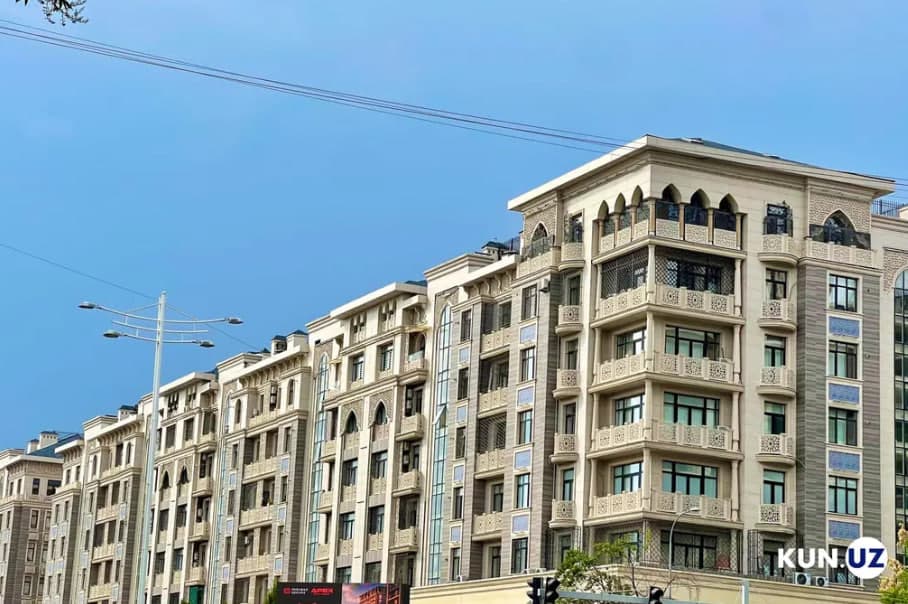
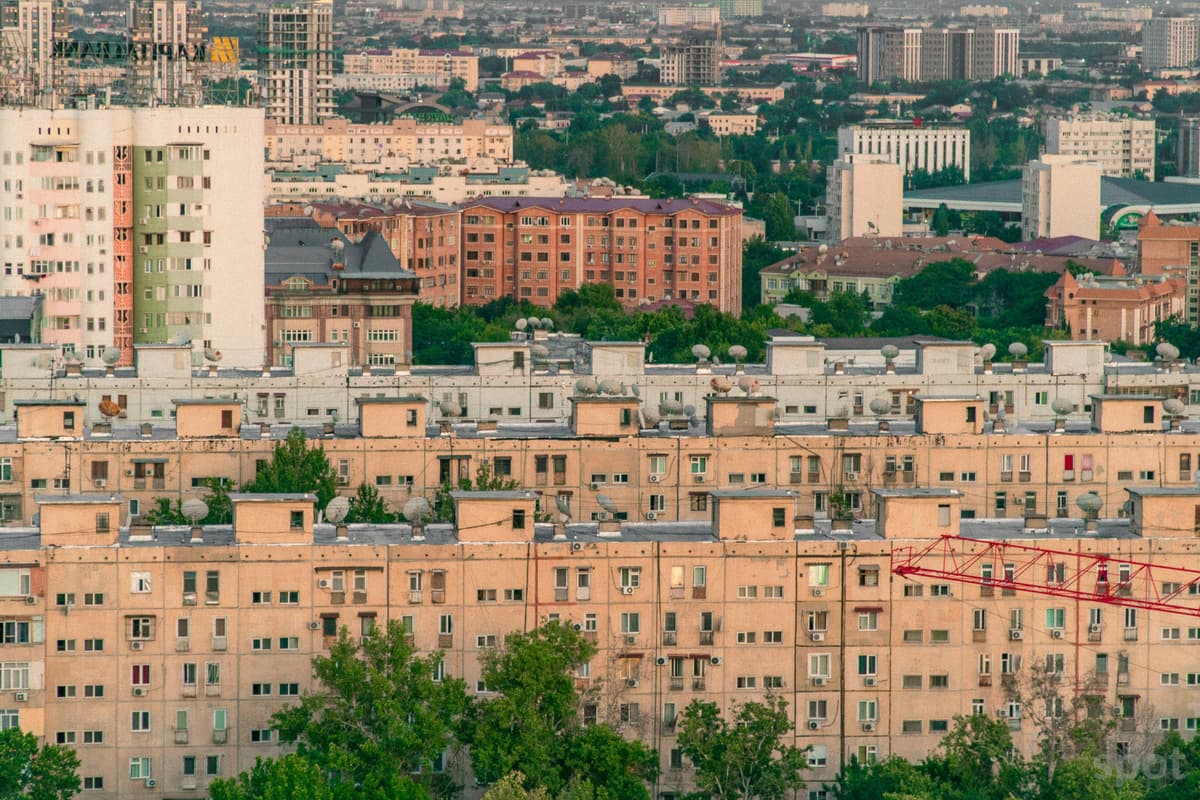
Against this backdrop, housing prices maintained their upward trend. As of March, prices for apartments in multi-storey residential buildings on the primary market had increased by 8.1% in US dollar terms and by 1.8% in Uzbek soums compared with a year earlier. On the secondary market, prices rose by 9.4% in dollar terms and 3% in Uzbek soums.
The calculations cover apartments in multi-storey residential buildings on both the primary and secondary markets and do not include detached houses.
Rental rates also increased nationwide. In March, average rents rose by 9.5% in US dollar terms and 3.1% in Uzbek soums. In Tashkent, however, the increase was more moderate, reaching 6.9% in dollar terms and 0.6% in Uzbek soums.
The average price of one sotix (100 m²) of land in Tashkent stood at UZS 301 million, down 6.4% from the same period last year. According to the Central Bank, the decline reflects a growing supply of land plots in districts located farther from the city center.
By the end of the first quarter, nearly 2,900 multi-apartment residential projects were under construction across Uzbekistan. The largest numbers were recorded in Samarkand region, Tashkent, Bukhara region, and Khorezm region.
High-rise construction remains concentrated in the capital. Tashkent accounted for 36% of residential buildings under construction with more than 13 storeys, followed by Navoi region with 10% and Samarkand region with 9%. The Central Bank said the expansion of multi-storey construction beyond the capital reflects accelerating urbanization and growing housing demand in the regions.
In Bukhara region, Namangan region, Khorezm region, and the Republic of Karakalpakstan, housing completions outpaced household growth, helping to contain price increases. By contrast, demand grew faster than supply in Syrdarya region and Kashkadarya region, resulting in stronger price growth.
In Tashkent and Tashkent region, housing prices continued to rise despite substantial volumes of new construction. The Central Bank attributed this trend to additional demand driven by migration, investment purchases, and rising household incomes.