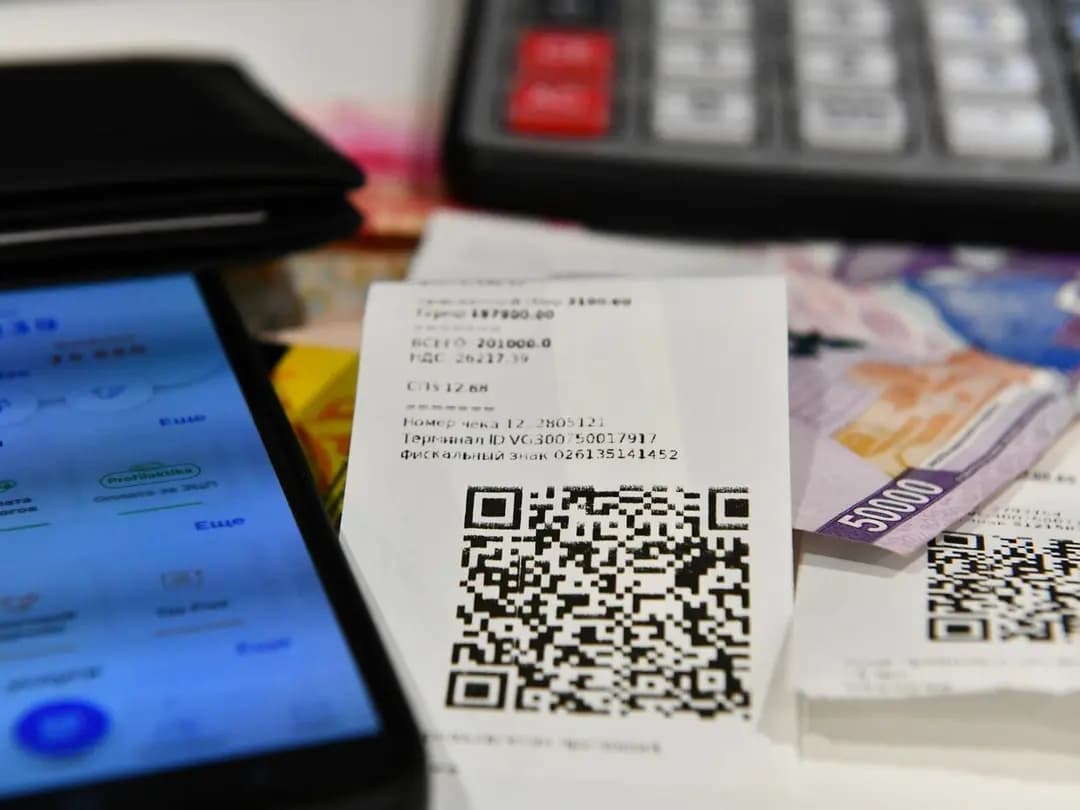
In an interview with Kun.uz, Dilshod Sultanov, Deputy Director of the Institute for Fiscal Studies under the Ministry of Economy and Finance's Department for Reducing the Shadow Economy, said the cashback system had always been intended as a temporary measure to encourage consumers to request fiscal receipts.
"The sooner the cashback system is abolished, the better," Sultanov said.
According to him, around 80% of cashback payments go to customers of businesses that already issue receipts, such as large supermarkets and restaurant chains.
"We propose replacing the cashback system with a prize lottery for consumers. At present, receipts worth up to UZS 200 million can be registered in the Soliq app. We suggest removing that limit, allowing people to register receipts of any value and offering a UZS 200 million car as the prize," he said.
Sultanov argued that spending about $150 million from the state budget each year to encourage compliance among the remaining 20% of taxpayers is no longer justified.
‘It was always a temporary measure’
Sultanov said the program had successfully helped establish a culture of requesting receipts but has increasingly become vulnerable to abuse.
"It was a temporary measure from the very beginning. We wanted to create a habit of asking for receipts, and I believe it achieved that goal. Now we are seeing growing abuse, including fake receipts and the sale of receipts. Every year, around $150 million is paid out through the cashback system. That is equivalent to building 300 kindergartens with 120 places each," he said.
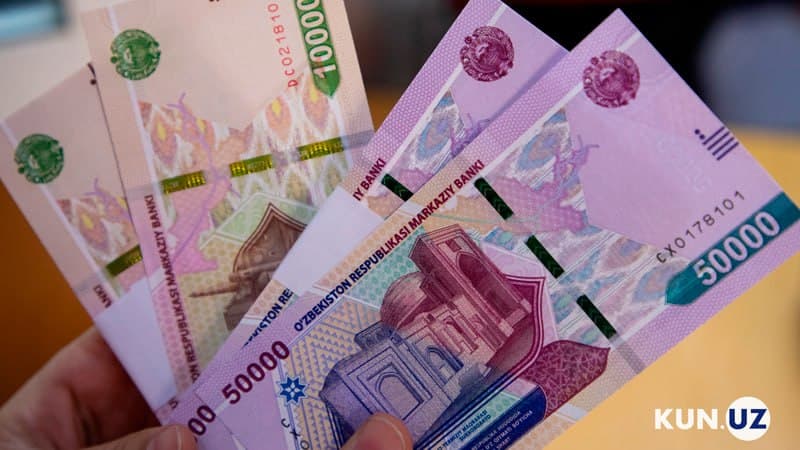
According to data cited by the institute, payouts under the 1% cashback program amounted to UZS 820 billion in 2022 and could reach UZS 1.8 trillion in 2026. By comparison, the state budget plans to allocate UZS 900 billion for kindergarten construction this year.
The institute has previously argued that the mechanism requires permanent financing from the state budget and that expenditures continue to rise as the number of registered fiscal receipts increases.
Targeted VAT refunds to remain
Sultanov said the proposal would not affect the targeted VAT refund scheme available to socially vulnerable groups.