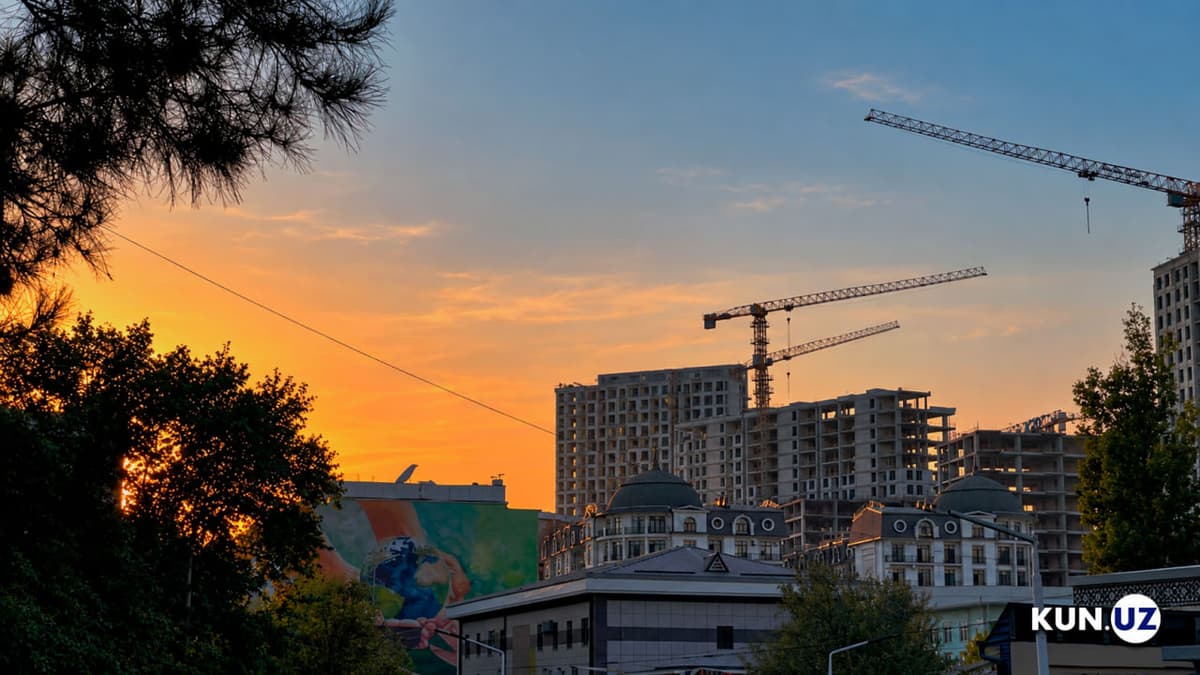
According to the government resolution, Bukhara's population is projected to increase from 289,190 to 385,000, while the city's area will expand from 7,966.78 hectares to 11,847.06 hectares.
The plan also envisions a substantial expansion of the city's housing stock. Total residential floor space is expected to grow from 4.46 million square meters to 8.09 million square meters, increasing average housing provision from 15.4 to 21 square meters per resident. At the same time, 114.66 square meters of outdated housing stock is scheduled for demolition.
The city's transport infrastructure is also set for a major upgrade. The total length of arterial roads will nearly double from 102.6 kilometers to 203 kilometers, while annual public transport ridership is projected to reach 163.8 million passengers.
The master plan also calls for expanding social infrastructure in line with current planning standards and the needs of a growing population. It envisages bringing cultural, community and public utility facilities into compliance with modern requirements, as well as developing the city center and constructing new public complexes on available land, taking existing urban conditions into account.