Under the law, decisions on the construction, reconstruction and operation of toll roads will be made either by the president or the Cabinet of Ministers, depending on their respective powers.
A key provision of the legislation requires that every toll road must have a free alternative route connecting the same populated areas. The alternative road must remain in a condition suitable for use and allow unrestricted travel.
The law also stipulates that road owners will be responsible for maintaining and repairing automobile roads, including through the involvement of specialized road maintenance organizations.
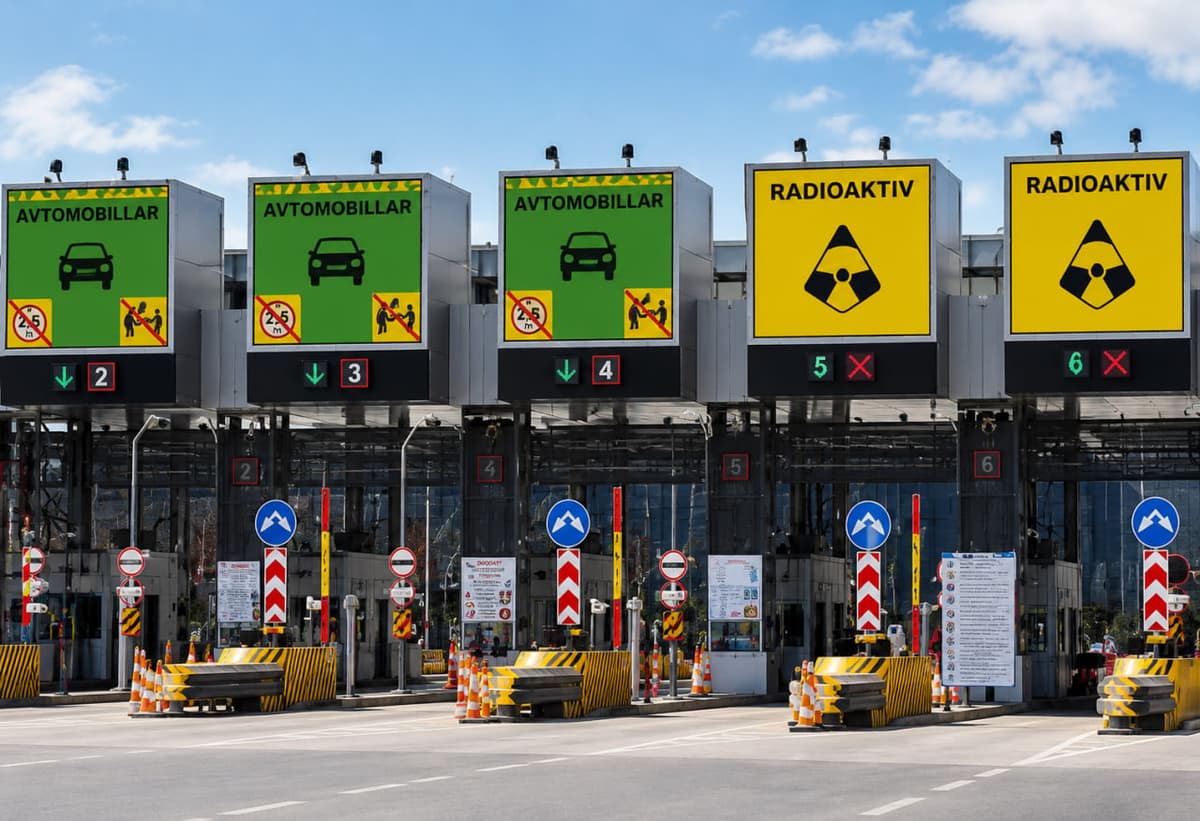
Drivers wishing to use a toll road will be required to enter into a public contract with the operator. This can be done by entering the toll road, paying at a toll collection point, or purchasing a road pass.
The legislation also establishes quality standards for toll roads. Operators may charge tolls only if the road provides high-speed traffic conditions and high-quality services along the entire route.
Separate provisions regulate the movement of oversized and overweight vehicles. Such vehicles will be allowed to use public roads only with a special permit issued by the authorized state body or its territorial divisions.