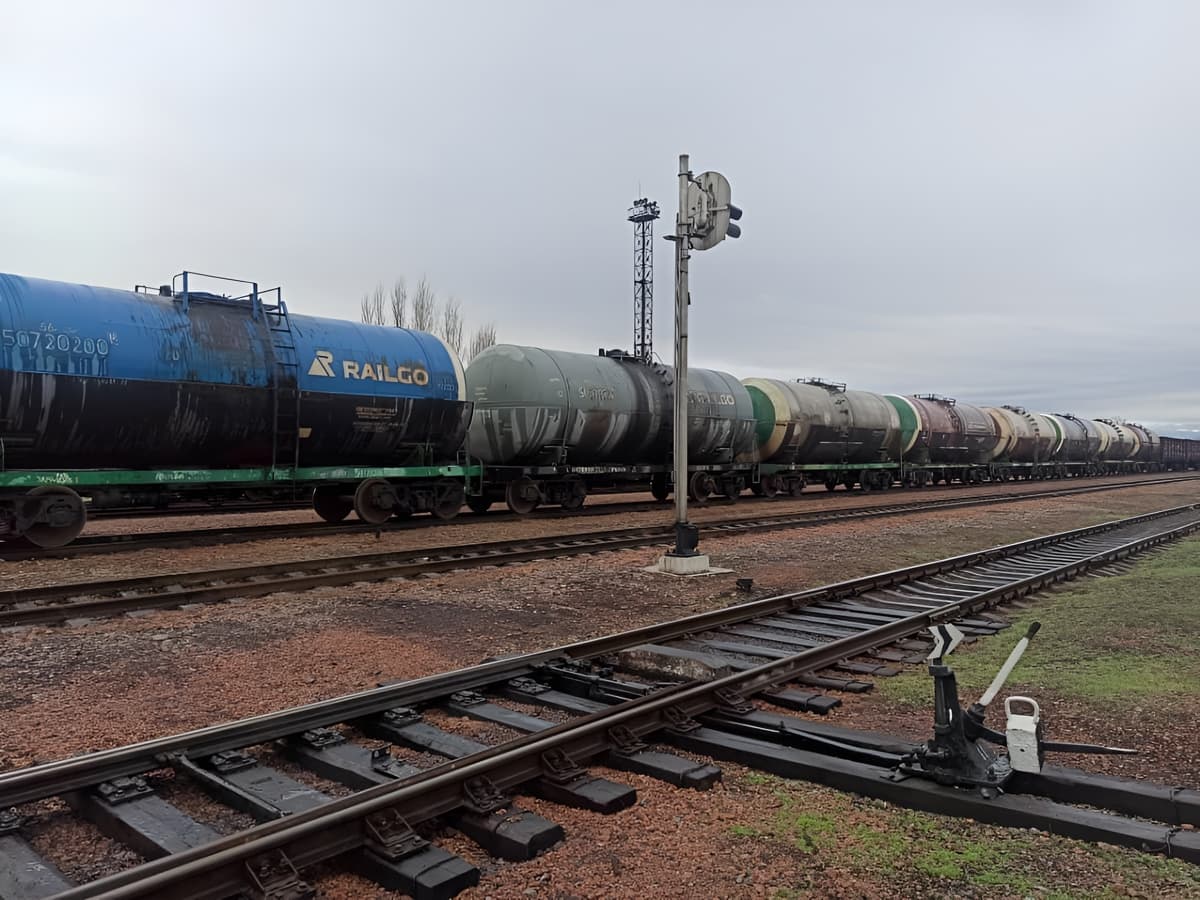
Kyrgyzstan and Tajikistan have traditionally sourced around 90% of their fuel from Russia. But with Russian supplies becoming less predictable, both countries are seeking alternatives ahead of the autumn and winter season, according to Eurasianet.
At the end of July, Russia agreed to supply Kyrgyzstan with only about half of the fuel it needs through the end of the year – roughly 100,000 tons of petroleum products per month.
To make up the shortfall, Bishkek has reached agreements with Uzbekistan and Kazakhstan to import fuel. It is also importing supplies from Belarus and China, while negotiations are under way with Turkey and the European Union for additional deliveries.
Kyrgyzstan is also seeking to increase domestic production. Authorities have accelerated work on a refinery project capable of producing around 450,000 tons of petroleum products annually. That would cover roughly a quarter of the country’s annual demand, with the plant potentially becoming operational by the end of 2026.
Tajikistan has likewise increased purchases from countries other than Russia. According to Reuters, fuel imports from Turkmenistan, Uzbekistan and Kazakhstan tripled in July to 34,000 tons compared with the previous month. At the same time, gasoline deliveries from Russia nearly halved to 14,000 tons.
Dushanbe is also negotiating additional fuel supplies with Kazakhstan and China. The Energy Ministry said in early July that the country had enough fuel reserves to last about 60 days.
Uzbekistan seeks new suppliers amid rising demand
Uzbekistan is less dependent on Russian energy supplies than Kyrgyzstan and Tajikistan, according to Eurasianet. The country can produce up to 100,000 tons of petroleum products per month domestically, enough to cover around 60% of domestic demand.
Tashkent is nevertheless diversifying its suppliers and has reached agreements with Georgia, Iraq and other countries to secure additional fuel.
One of the main challenges is rising demand for jet fuel. Uzbek authorities have attributed the increase to a rise in flights through Central Asia amid the worsening geopolitical situation. Tashkent has also become an important transit hub for Russian travelers heading abroad amid wartime sanctions and restrictions on international travel.