More than 152,000 university students in Uzbekistan were living in rented housing at the beginning of the 2025/2026 academic year, accounting for about 20.5% of all full-time students, lawmaker Shukhrat Yakubov said.
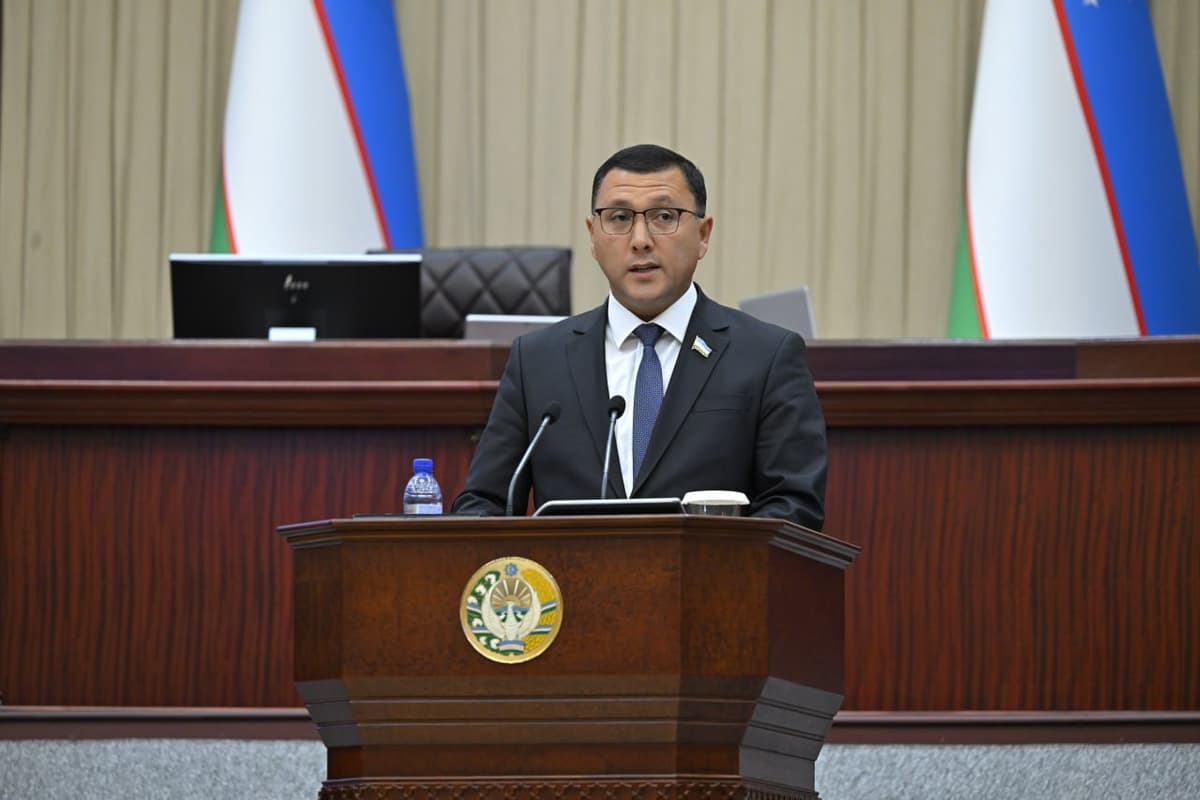
The figures were presented on August 18 at a meeting of the Legislative Chamber of the Oliy Majlis, where lawmakers considered the bill on simplifying registration by place of residence and temporary stay.
According to the Ministry of Higher Education, Science and Innovation, 741,483 students were enrolled in full-time programs at 202 higher education institutions at the start of the academic year.
About 441,000 students, or 59%, lived in their own homes or with close relatives and commuted to their institutions. Another 102,000 lived in university dormitories, while more than 44,000 stayed in dormitories built under public-private partnership arrangements.
More than 152,000 students lived in rented housing.
“More than 152,000 of our students currently live in rented apartments. The provision on rented housing was included in the bill specifically to protect their interests,” Yakubov said.
Registration exemption extended to rented housing
The bill expands the group of students who would be exempt from the minimum housing space requirement when registering at a temporary address.
The version approved at first reading primarily covered university students and accommodation in student dormitories. During preparations for the second reading, the provision was expanded to include students at secondary specialized and vocational education institutions.
Rented apartments were also added because of the large number of students living in such housing.
During the discussion, lawmakers raised concerns that the change could result in an unusually large number of students being registered at a single address.