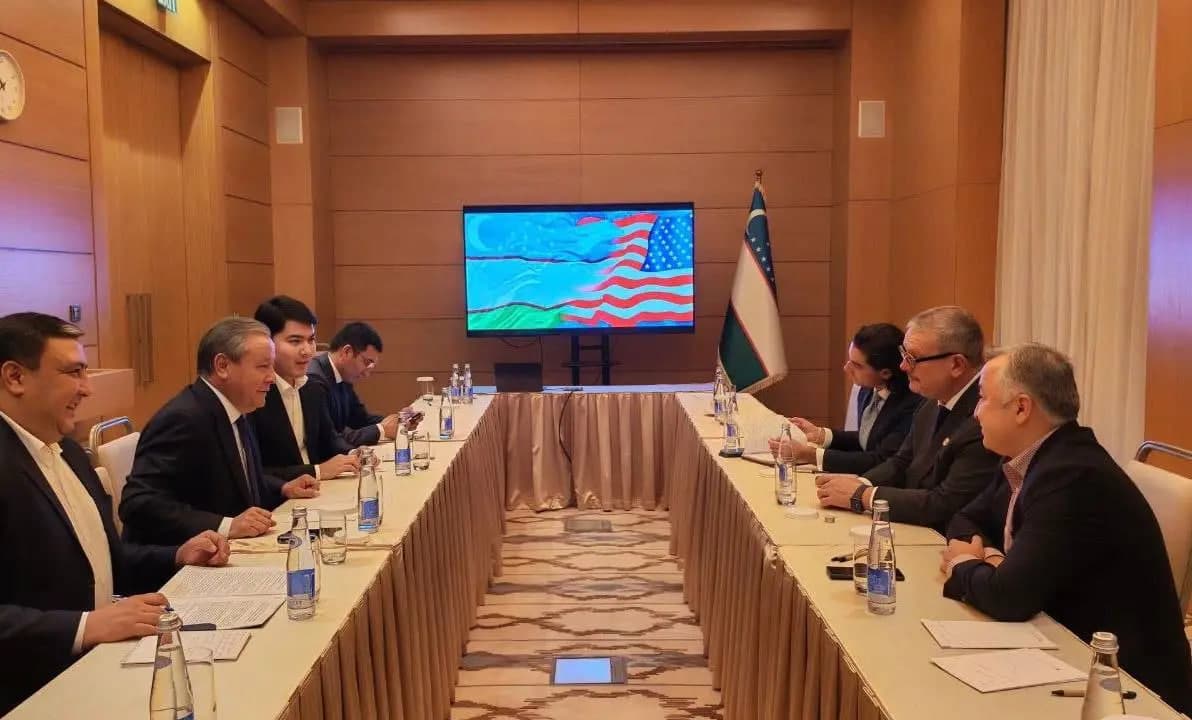
Speaking at a panel discussion on the Tashkent International Financial Centre during the Silk Road Finance & Technology Forum, Olimov said falling inflation, sustained economic growth and a more flexible exchange rate should strengthen confidence among both international and domestic investors.
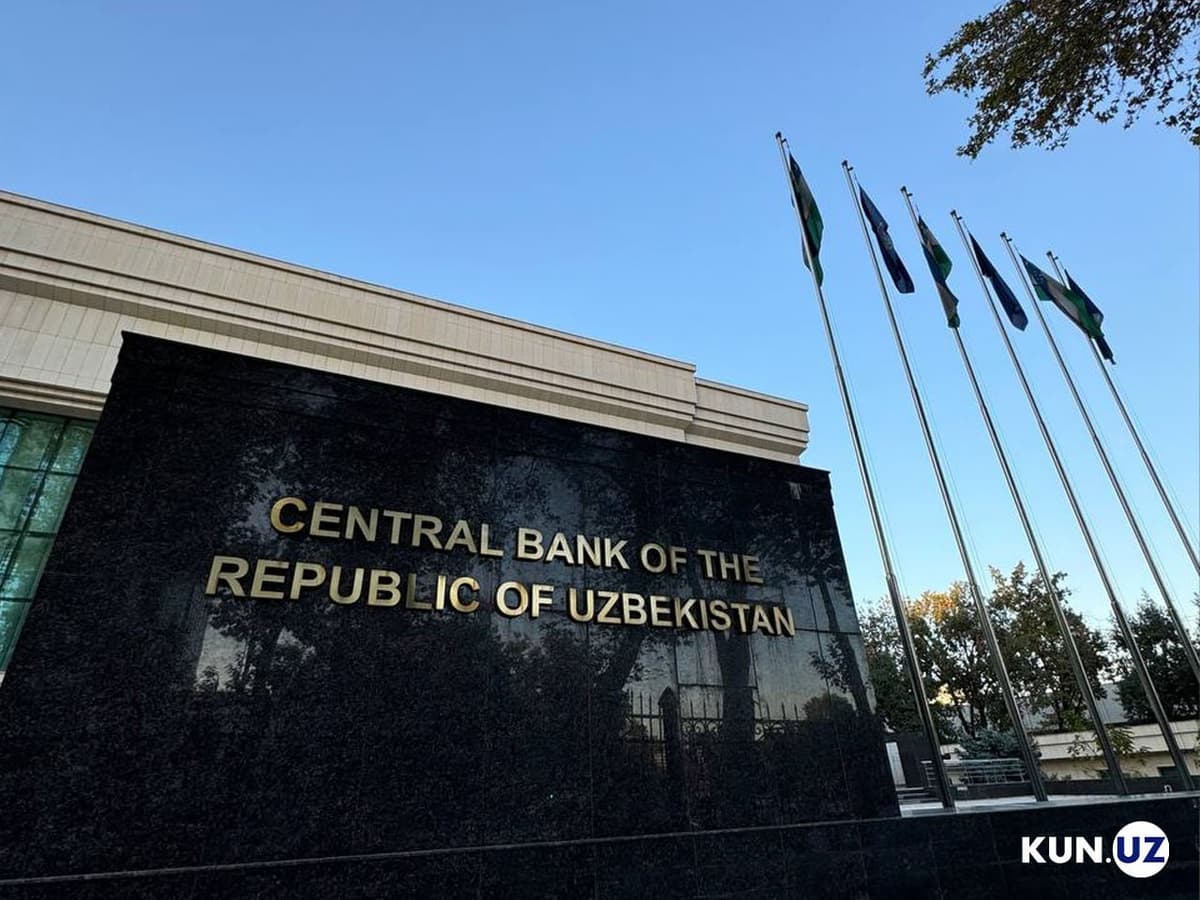
The forum, organized by the Central Bank of Uzbekistan and the Global Finance & Technology Network, is being held in Tashkent from 24 to 26 August.
Inflation expected to fall further
Olimov said Uzbekistan’s inflation rate had remained in double digits during and after the COVID-19 pandemic but had since entered a downward trend.
“This year, we expect inflation to be around 6.5% by the end of the year. We hope to reach our 5% target next year and then keep inflation close to that level,” he said.
Olimov added that lower inflation and declining inflation expectations would give both foreign and domestic investors greater certainty when planning their activities.
The International Monetary Fund also expects inflation to continue easing, forecasting end-of-period consumer price inflation at 6.8% in 2026 and 5% in 2027.
Flexible exchange rate seen as shock absorber
Olimov also highlighted Uzbekistan’s transition to a floating exchange rate as an important factor in strengthening the economy’s resilience and investment appeal.
According to him, the IMF recognized Uzbekistan’s transition to a floating exchange rate arrangement this year. Greater exchange-rate flexibility allows the currency to absorb external shocks more effectively, which should give investors greater confidence when making investment decisions.
The IMF reclassified Uzbekistan’s de facto exchange rate arrangement from crawl-like to floating following increased exchange-rate flexibility since April 2025. It said maintaining that flexibility would be important for strengthening the economy’s ability to absorb external shocks and protecting international reserves.