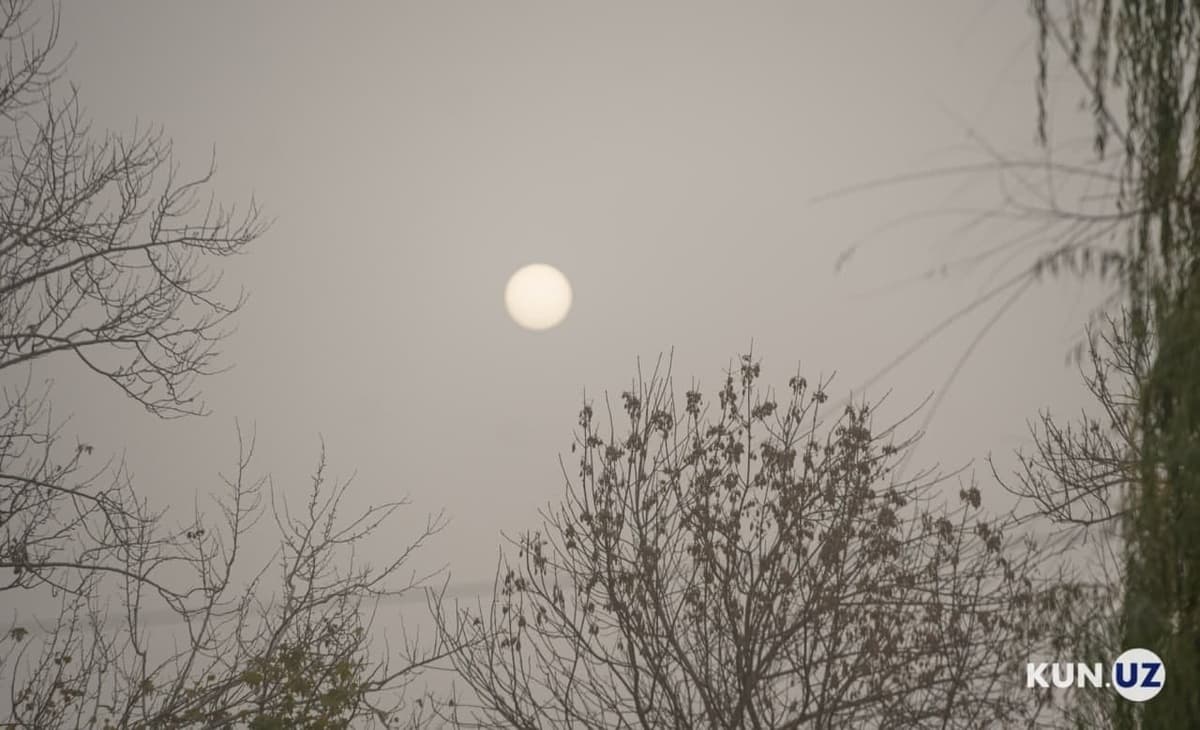
Atmospheric inversion traps dust and pollutants close to the ground by limiting their upward dispersion. When winds are weak and there is no rain, these pollutants can accumulate in the air.
Observations show that air pollution levels tend to ease during the day as temperatures rise and winds help disperse dust. In the morning and evening, however, inversion makes it harder for dust to disperse, contributing to higher pollution levels.
Authorities are taking several measures to improve air quality in the capital. These include spraying water on roads, installing filters at greenhouses, expanding green spaces and preventing dust from spreading at construction sites.
Inspections are also being conducted at greenhouses and industrial facilities suspected of polluting the environment.