The proposal was discussed at a regular council meeting, where participants considered how changes to import tariffs could affect food prices and affordability.
During the discussion, members stressed the need to take into account domestic production and import volumes, consumer demand, household incomes and the potential impact of tariffs on consumers.
One participant cited figures showing that Uzbekistan had produced 84,000 tons of milk and cream, while imports amounted to 15,000 tons.
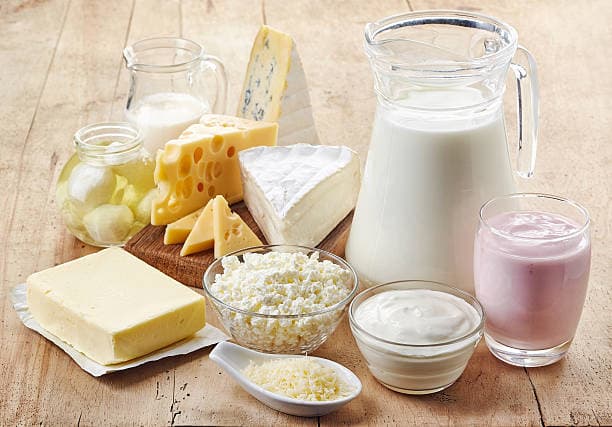
Zafar Khoshimov, founder of the Korzinka supermarket chain, warned that higher prices for dairy products could affect families’ diets. If cheese, cottage cheese and yogurt became less affordable, he said, consumers might turn more often to cheaper alternatives, including bread and tea with sugar, potentially harming public health.
Financier and blogger Otabek Bakirov also raised concerns about the affordability of dairy products for households.
“The Uzbek people have only recently begun to live in a way that allows children to eat these products instead of saving them for guests. People have started moving beyond the daily struggle to put food on the table and thinking about bigger goals. But cheese has still not made its way into every Uzbek home,” Bakirov said.
He stressed that increases in domestic production and imports did not necessarily mean dairy products had become affordable for all families.
Following the discussion, the Public Council rejected the proposal to restore import duties on the 12 food products.