“We have only just started,” De Sanctis said, arguing that opportunities extend well beyond the machinery and equipment that currently account for a substantial share of Italian exports to Uzbekistan.
Italian manufacturers are known for producing machinery tailored to customers’ needs, including equipment for the textile and agricultural industries. De Sanctis sees a natural fit between that expertise and Uzbekistan’s developing industrial base, particularly as the country’s small and medium-sized businesses gain room to grow.
“Complementarity is the key to economic success,” he said.
For Italian companies, however, exporting products is only the first step. Businesses are attending trade fairs in Uzbekistan, while Uzbek entrepreneurs are travelling to Italy for exhibitions. Some Italian firms that initially entered the market to sell their products are now considering setting up local production, the ambassador said.
Whether more companies make that move will depend partly on Uzbekistan’s ability to attract foreign investment and provide businesses with confidence in the local operating environment.
Italian equipment may cost more than alternatives produced elsewhere, De Sanctis acknowledged, but he said its appeal lay in quality, durability and after-sales service. He believes Uzbek businesses understand the value of that combination.
The embassy is helping connect companies through business delegations and matchmaking initiatives, while also working to improve visa services for businesspeople travelling to Italy. De Sanctis said Uzbek officials’ willingness to meet foreign business delegations was another advantage in developing commercial ties.
Healthcare workers and universities
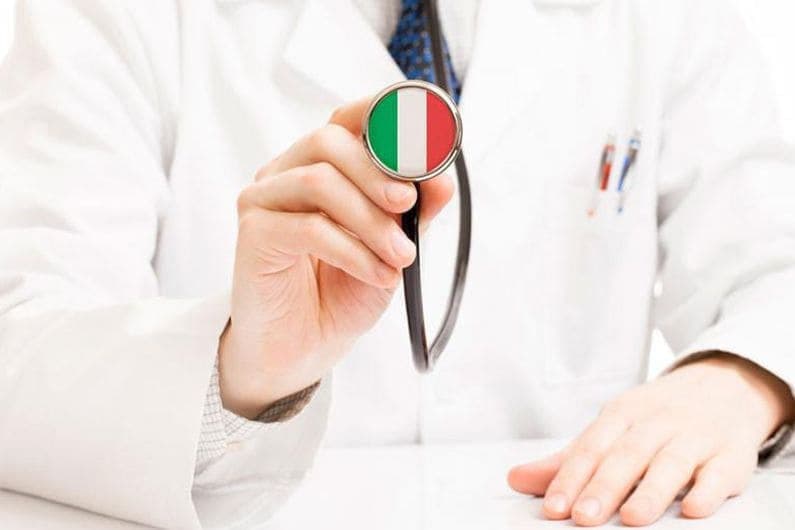
Healthcare could become another important area of cooperation, linking Italy’s demand for medical professionals with Uzbekistan’s efforts to train specialists for employment abroad.
Italy faces an ageing population and shortages of healthcare workers, including nurses. De Sanctis said the two countries were exploring ways to train medical personnel in Uzbekistan to Italian standards and incorporate Italian-language instruction into their education.
That would help prepare graduates to work in Italy, where many elderly patients do not speak English. Uzbekistan, he said, is among the countries with strong potential to help meet that demand.