The investigation also covers SAFE Service, formerly known as Safe Road, a platform operated by the Interior Ministry's Traffic Safety Service and developed and maintained by AUTODOC.
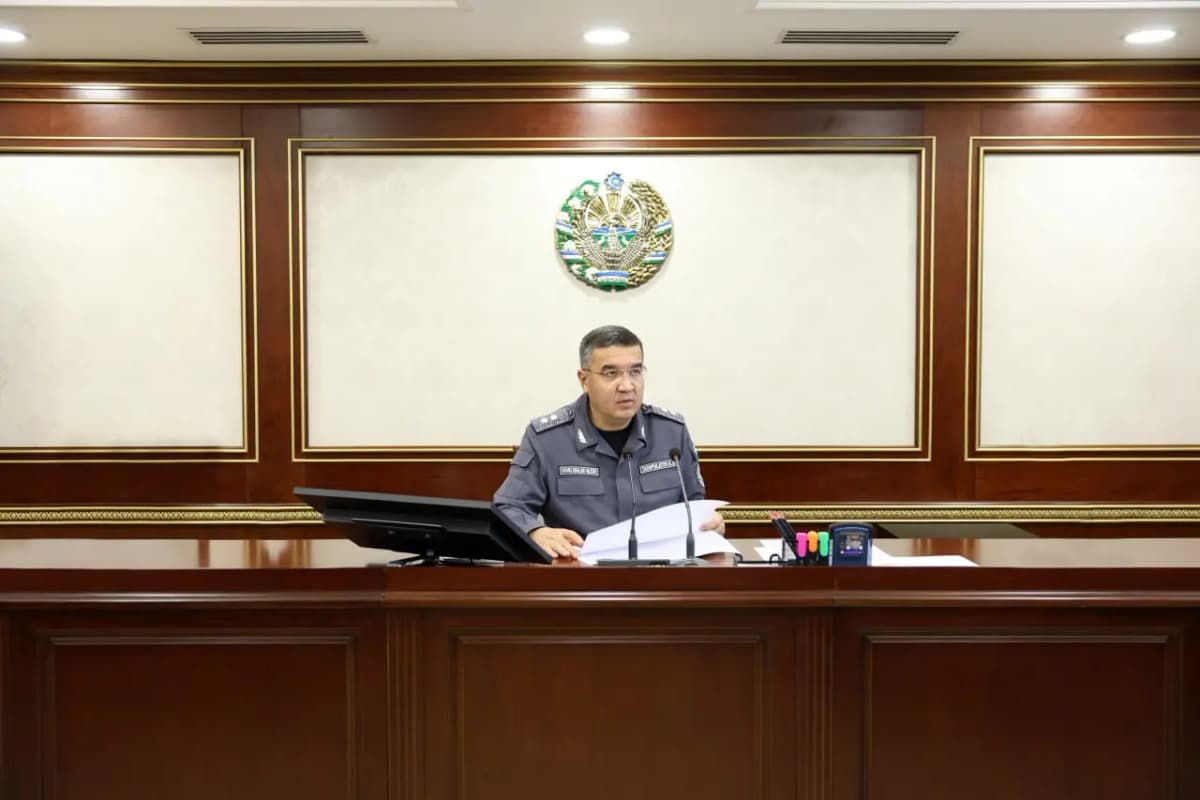
The Interior Ministry said it had launched an investigation into information about the alleged leak, which has been circulating widely on social media and Telegram.
The State Security Service's Cybersecurity Center, the Interior Ministry and AUTODOC are jointly examining the claims. They are expected to determine where the data originated, how it was obtained and distributed, and whether any information systems, including SAFE Service, were compromised.
Authorities have neither confirmed nor ruled out a data breach. Its possible scale and source remain unknown.
What is known about the alleged data leak
Reports about Uzbek citizens' personal information appearing in Telegram bots began circulating on October 28–29.
Users claim that the databases contain personal identification numbers (PINFL), passport details, residential addresses, phone numbers, information about registered vehicles and driving licenses.
Some users have additionally claimed that the data includes information about bank cards linked to mobile applications and the devices used to log into accounts.
Shukhrat Kurbanov, who runs the Kurbanoff.net Telegram channel, said he had checked the information available about himself and found extensive personal records.
In addition to his PINFL and residential addresses, he said the database contained details of vehicles linked to his account, including registration numbers, his driving license and vehicle registration certificates.
Kurbanov said he had initially expected to find only publicly available information, such as email addresses, but the records turned out to be considerably more detailed. Screenshots he published showed saferoad.uz among the sources listed in the database.
Separate reports