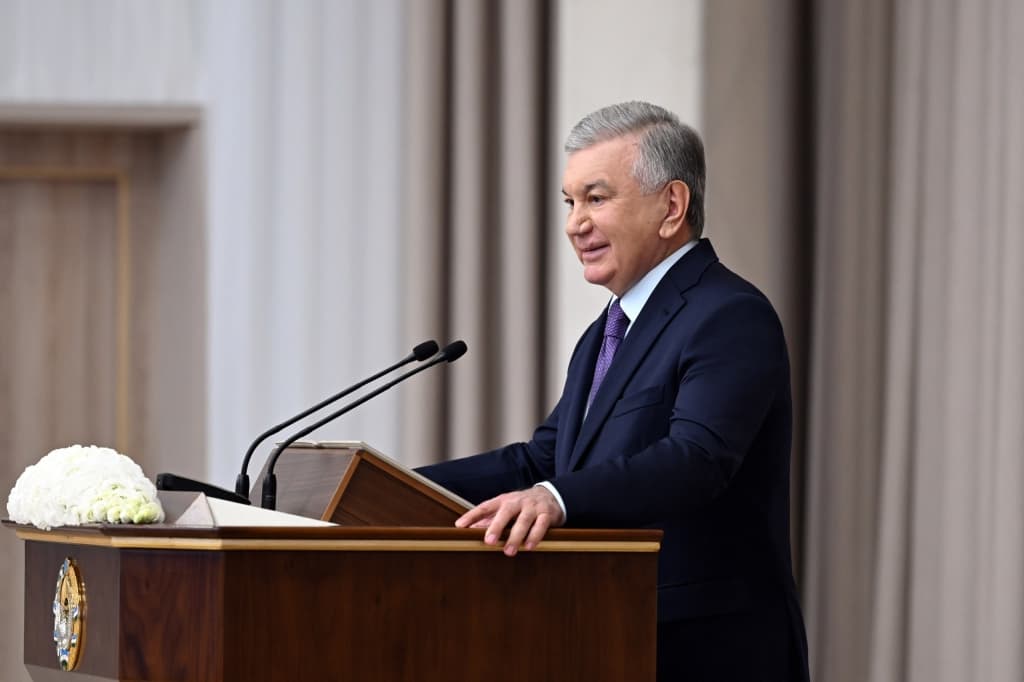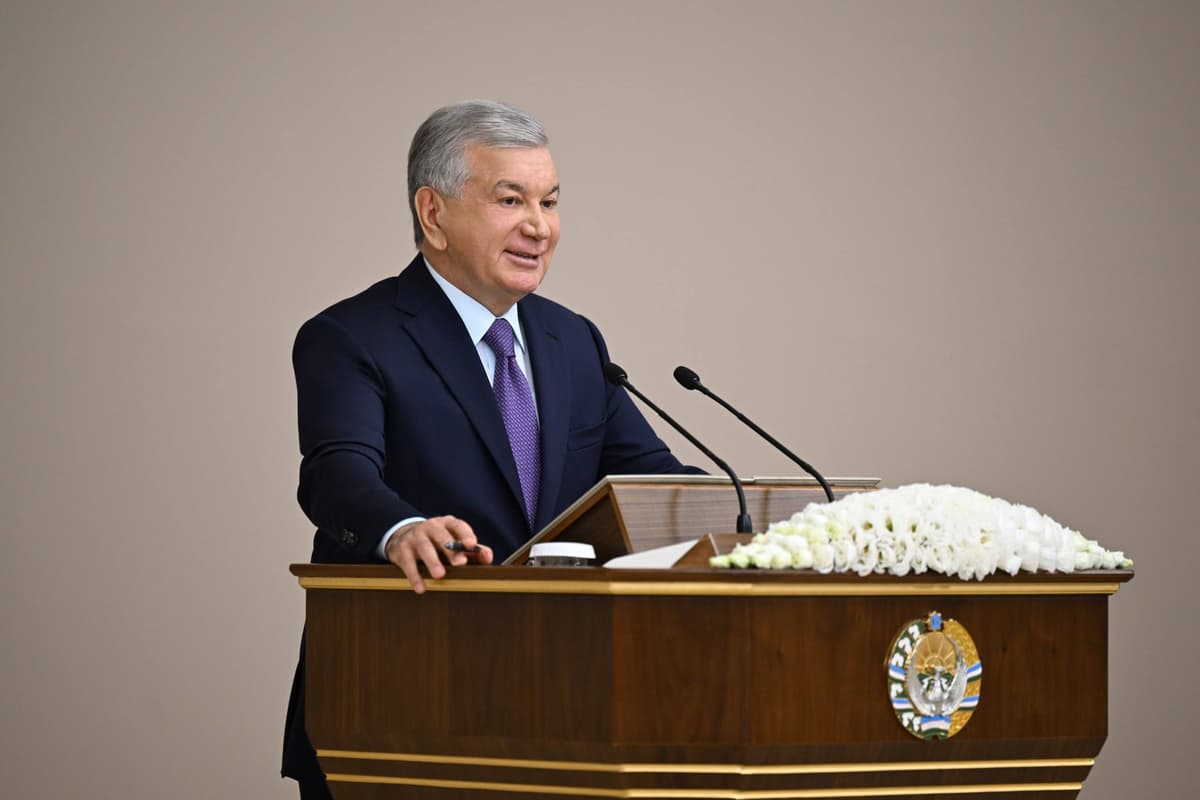
Mirziyoyev chaired a meeting on labor migration on November 2.
According to figures presented at the meeting, average monthly remittances per migrant worker are below $500 in Syrdarya region, $600 in Jizzakh and Navoi regions, and $700 in Surkhandarya and Khorezm regions.
The president said regional governors, ambassadors and technical college directors needed to reconsider their efforts to prepare citizens for better-paid employment abroad.
“People should know where they are going to work, how much they will earn and who will protect their rights,” Mirziyoyev said.
He also stressed that ambassadors, regional authorities and technical colleges must work together to help citizens access foreign labor markets. Positive examples of cooperation with employers in Germany, Turkey, Slovakia and Qatar were cited, including efforts to identify partners, connect them with technical colleges and arrange employment for Uzbek workers. The performance of ambassadors in other countries was described as insufficient.
The meeting also noted that the reach of organized labor migration programs had expanded in recent years. Whereas Uzbekistan previously worked with three countries in this area, it now has cooperation arrangements with 27. The number of major foreign employers partnering with the country has also grown by nearly 400.
At the same time, the number of Uzbeks working abroad has halved over the past decade, while the amount of money they send to their families has quadrupled.
Mirziyoyev said this reflected a change in how Uzbek specialists were perceived in international labor markets, with more citizens now going abroad as skilled professionals.
He noted that Uzbekistan had citizens willing to work abroad, while many other countries faced strong demand for workers. Connecting these two opportunities, he said, was a key responsibility of officials overseeing labor migration and regional authorities.