POLITICS | 18:48 / 02.08.2025
4846
7 min read

Trump administration pushes Azerbaijan and Central Asia toward Abraham Accords, Uzbekistan’s Foreign Ministry responds

The administration of U.S. President Donald Trump is engaging Azerbaijan and select Central Asian countries to join the Abraham Accords, a series of agreements aimed at normalizing relations with Israel. According to Reuters, citing five sources familiar with the matter, this initiative is primarily symbolic but seeks to deepen ties with Israel. Kun.uz obtained a comment from Uzbekistan’s Ministry of Foreign Affairs regarding this proposal.

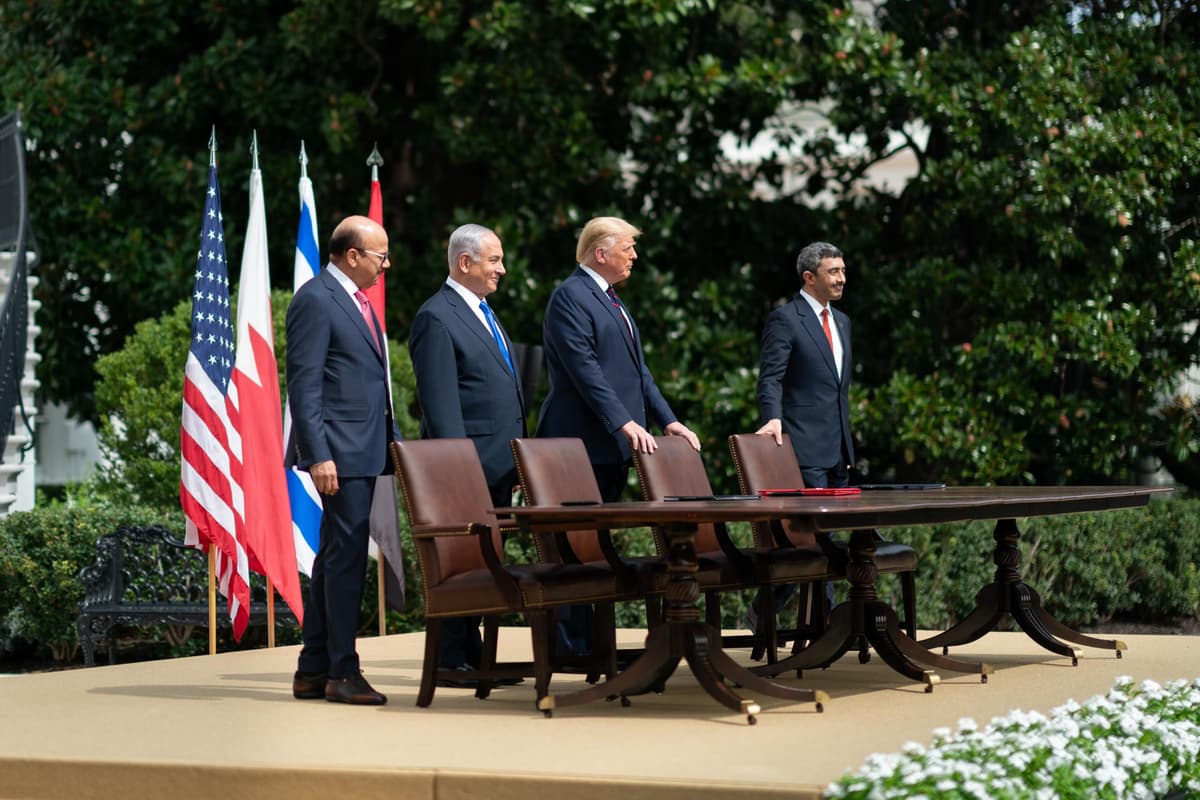
Photo: White House

The Trump administration is discussing the possibility of incorporating Azerbaijan and certain Central Asian nations into the Abraham Accords, Reuters reported, referencing its sources. The objective is to strengthen existing relations between these countries and Israel, particularly in areas such as trade and military cooperation. Notably, Azerbaijan and the five Central Asian states – Kazakhstan, Uzbekistan, Turkmenistan, Tajikistan, and Kyrgyzstan – already maintain diplomatic relations with Israel. As such, their inclusion in the accords would largely hold symbolic significance, reinforcing ties without amending the original agreements.

The ongoing war in Gaza, described as genocidal by some, has resulted in tens of thousands of casualties and widespread famine, fueling anger across the Arab world. This has complicated efforts to draw other Muslim-majority nations into the Abraham Accords. Saudi Arabia, in particular, has repeatedly stated it will not recognize Israel until Palestinian statehood is acknowledged.

Azerbaijan’s role

A key challenge for the Trump administration is the ongoing conflict between Azerbaijan and its neighbor Armenia, according to Reuters’ sources. They emphasized that a peace agreement between Azerbaijan and Armenia is a prerequisite for Azerbaijan’s inclusion in the accords. While the administration has openly discussed involving multiple countries, negotiations with Azerbaijan are reportedly the most advanced and structured. Reuters suggested that an agreement could potentially be signed within weeks or months.

This year, Trump’s special envoy for peace, Steve Witkoff, and his aide, Aryeh Lightstone, visited Azerbaijan and met with President Ilham Aliyev. The Abraham Accords were a key topic during two separate meetings. Azerbaijan’s government has not yet commented on the matter.

Central Asia’s perspective

According to Reuters’ sources, while negotiations with Azerbaijan are well underway, discussions with Central Asian countries are just beginning. Following an invitation from the White House, Azerbaijani officials reportedly reached out to counterparts in Central Asia, including Kazakhstan, to gauge their interest in the expanded initiative. However, it remains unclear which specific countries – Kazakhstan, Uzbekistan, Turkmenistan, Tajikistan, or Kyrgyzstan – have been contacted.

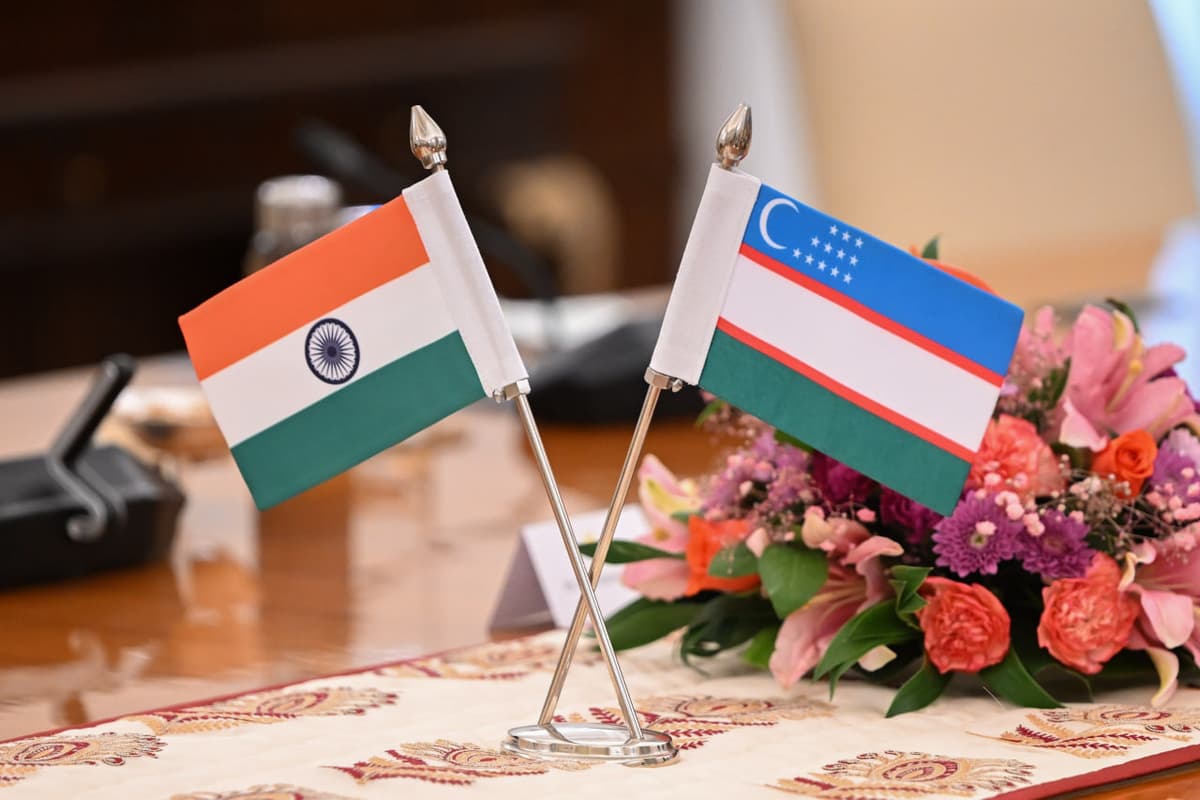
The U.S. State Department did not name specific countries but confirmed that expanding the Abraham Accords is a key foreign policy priority for the Trump administration. “We are working to include more countries,” one U.S. official stated. Neither the White House, Israel’s Foreign Ministry, nor Kazakhstan’s embassy in Washington responded to Reuters’ inquiries.

Uzbekistan’s stance

Kun.uz contacted the press service of Uzbekistan’s Ministry of Foreign Affairs for comment. According to ministry spokesperson Ahror Burkhanov, “Uzbekistan has not received any such request from the United States.”

For context, Uzbekistan established diplomatic relations with Palestine in 1994 and with Israel in 1992. At international forums, Uzbekistan consistently advocates for the Palestinian people’s right to establish an independent state within the 1967 borders, with East Jerusalem as its capital, emphasizing this as a cornerstone for peace. Uzbekistan has also condemned the loss of civilian lives, particularly children, in the Gaza conflict and called for a diplomatic resolution. Recently, over 100 individuals from conflict zones in Gaza were brought to Uzbekistan for free medical treatment.

President Shavkat Mirziyoyev, speaking at the Tashkent Investment Forum earlier this year, addressed the Gaza crisis: “We must draw attention to the prolonged tragedy in Gaza. In the 21st century, the destruction of countless innocent lives before our eyes cannot be justified. The only solution is to resolve this conflict justly, based on international law and adopted resolutions. The Palestinian people have the right to their own independent state.”

What are the Abraham Accords?

The Abraham Accords, signed during Donald Trump’s first presidency, are a series of agreements normalizing diplomatic relations between Israel and four Muslim-majority countries: the United Arab Emirates (August 2020), Bahrain, Sudan, and Morocco (later in 2020). Facilitated by the U.S., the accords aim to establish formal diplomatic ties, open embassies, and promote regional cooperation and stability.

Key terms of the accords include:

  • Israel establishes full diplomatic relations with Arab states at the embassy level.
  • Arab states recognize Israel as a sovereign state and abandon efforts to undermine it.
  • Israel halts plans to annex the West Bank.
  • The parties sign economic and security agreements.

In return, the U.S. offered incentives to each Arab state, such as access to F-35 fighter jets for the UAE, removing Sudan from the “state sponsors of terrorism” list, and recognizing Morocco’s claim over Western Sahara.

Palestine has consistently opposed the accords, arguing that normalization with Israel should only occur after the establishment of a Palestinian state within recognized borders. According to Reuters, the Abraham Accords are now seen as a tool for the U.S. and Israel to expand their soft power in the region.

Дониёр Тухсинов
Prepared by Дониёр Тухсинов
Follow Kun.uz news on Google News
+ Subscribe

Related News