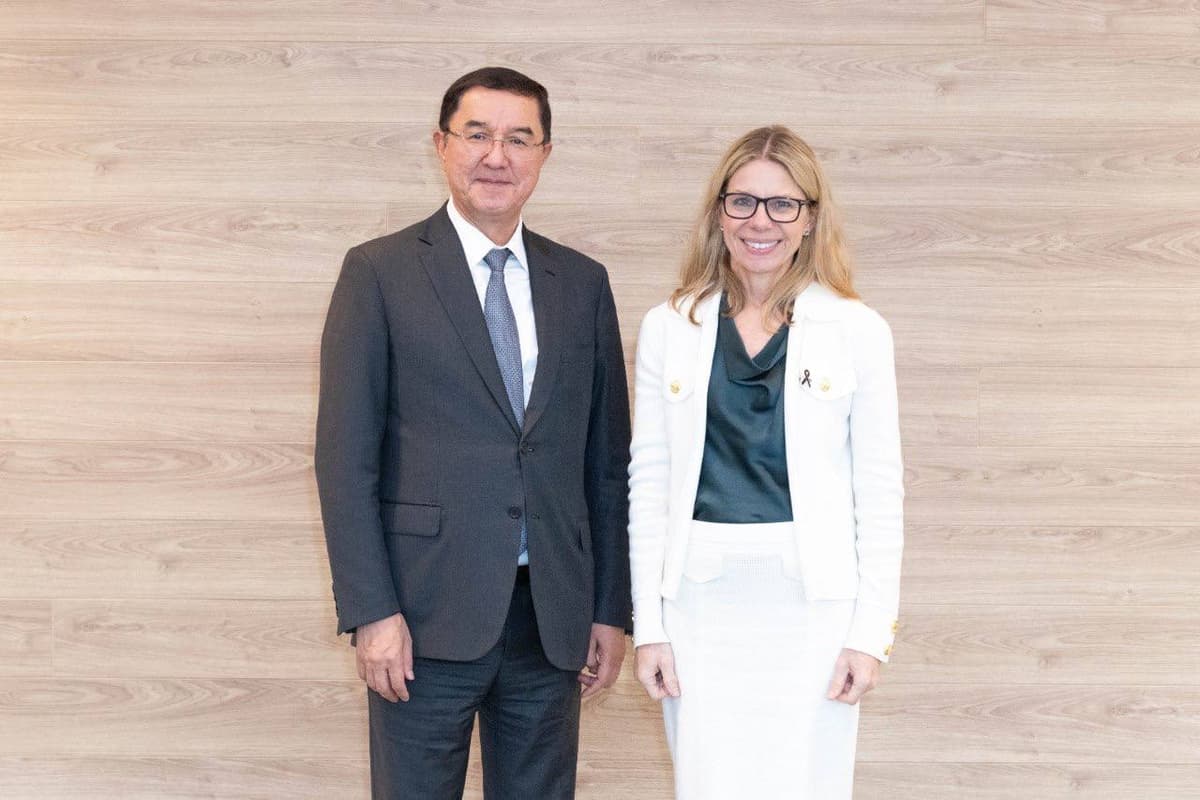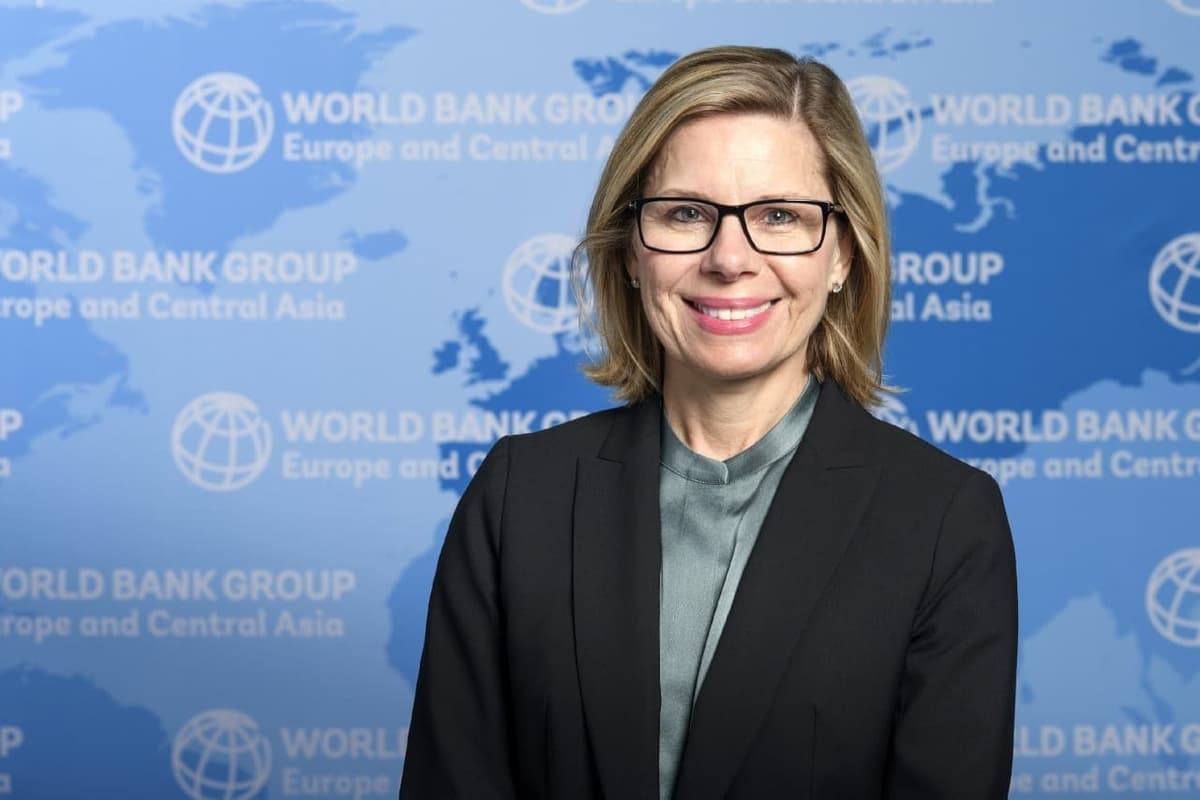
On September 29-30, 2021, Anna Bjerde, World Bank Vice President for Europe and Central Asia, will visit Tashkent to attend the Uzbekistan Economic Forum, a high-level conference organized by the Government of Uzbekistan.
Conference participants will discuss Uzbekistan’s progress in implementing its ambitious economic transformation, and the next steps needed to sustain progress with reforms.
Ahead of her visit, Anna Bjerde shares her views on Uzbekistan’s progress so far and the key challenges to address as Uzbekistan aspires to halve poverty, as well as become an upper-middle-income country by 2030.
Uzbekistan is at an important juncture today, five years since it began an unprecedented economic and social transformation.
Five years ago, it was very difficult to grow a business in Uzbekistan.
A binding constraint for business growth and job creation was the availability of foreign exchange. About half of Uzbekistan’s foreign exchange trade was occurring in informal markets.
The tax system was a burden on the economy. High taxes made it unprofitable for businesses to grow or create new jobs. Hiring workers was exceptionally costly because of high labor taxes. Tax evasion was widespread, and government revenues depended on a small number of large taxpayers.
Heavy-handed regulations were constraining businesses. Complex licensing requirements reduced market competition and limited supply chains. Lengthy border delays increased costs and losses for Uzbekistan’s high-value horticulture exports.
These constraints not only raised costs for businesses, but also increased corruption and inefficiency, which eroded the competitiveness of Uzbekistan’s formal business sector. This enabled a thriving shadow economy to operate.
But that was five years ago. Today, things are much better.