POLITICS | 13:16 / 11.03.2026
877
5 min read

President Mirziyoyev outlines economic growth and poverty reduction plans for Kashkadarya

Two new industrial zones will be established in Kashkadarya region, where dozens of projects worth more than $1.1bn are expected to be implemented as part of broader efforts to accelerate economic growth and reduce poverty.

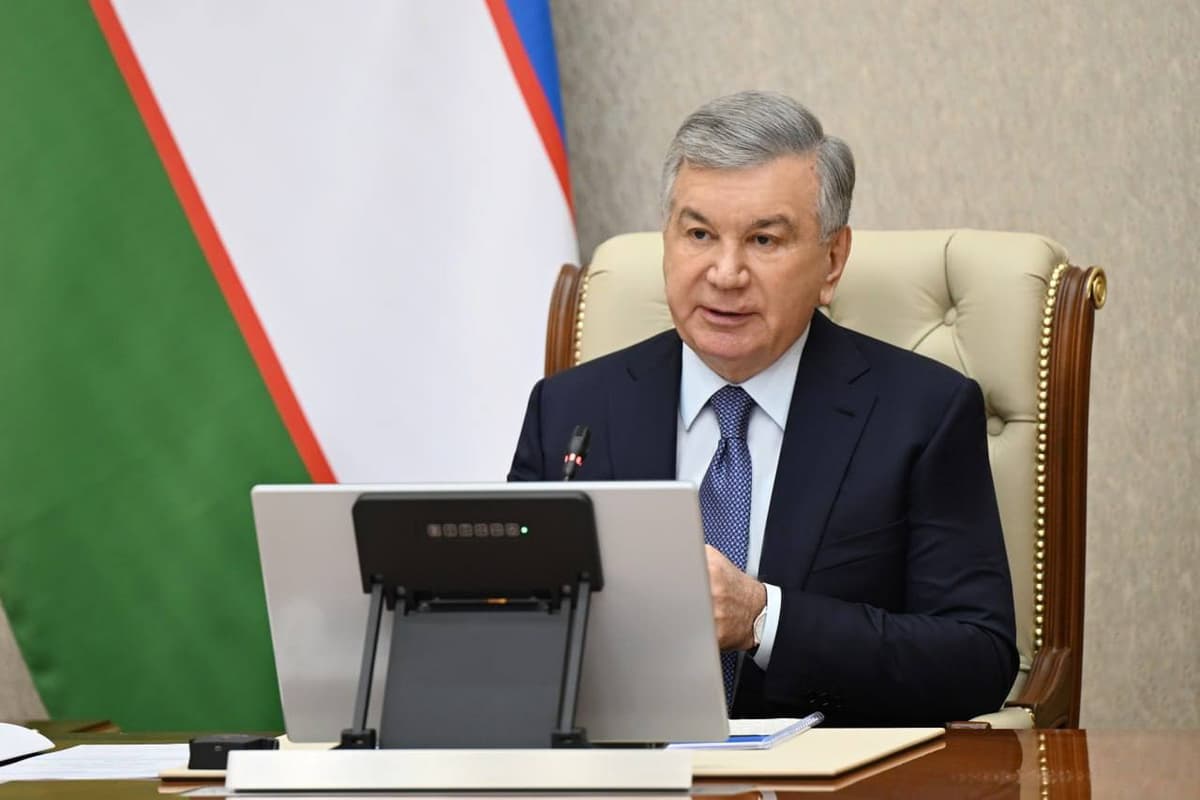
Photo: Presidential Press Service

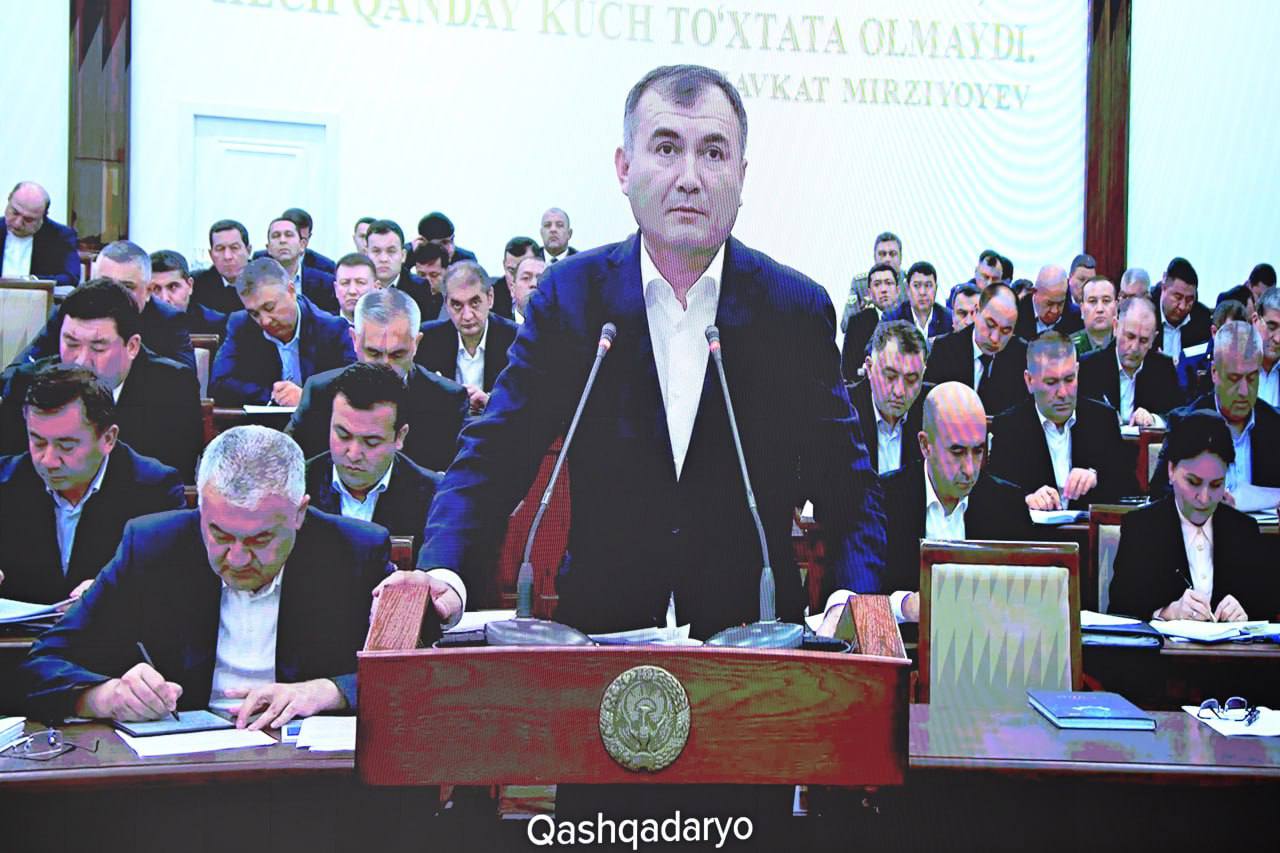
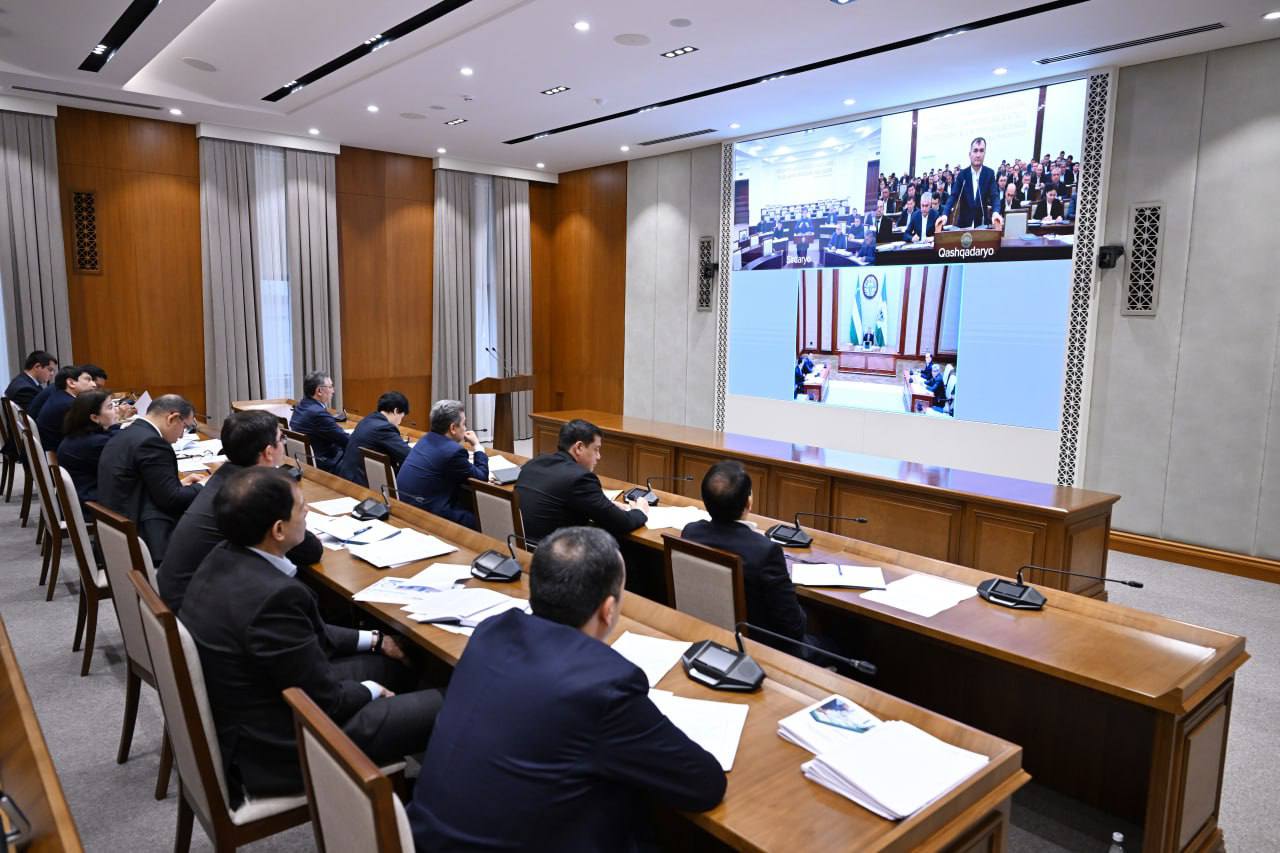
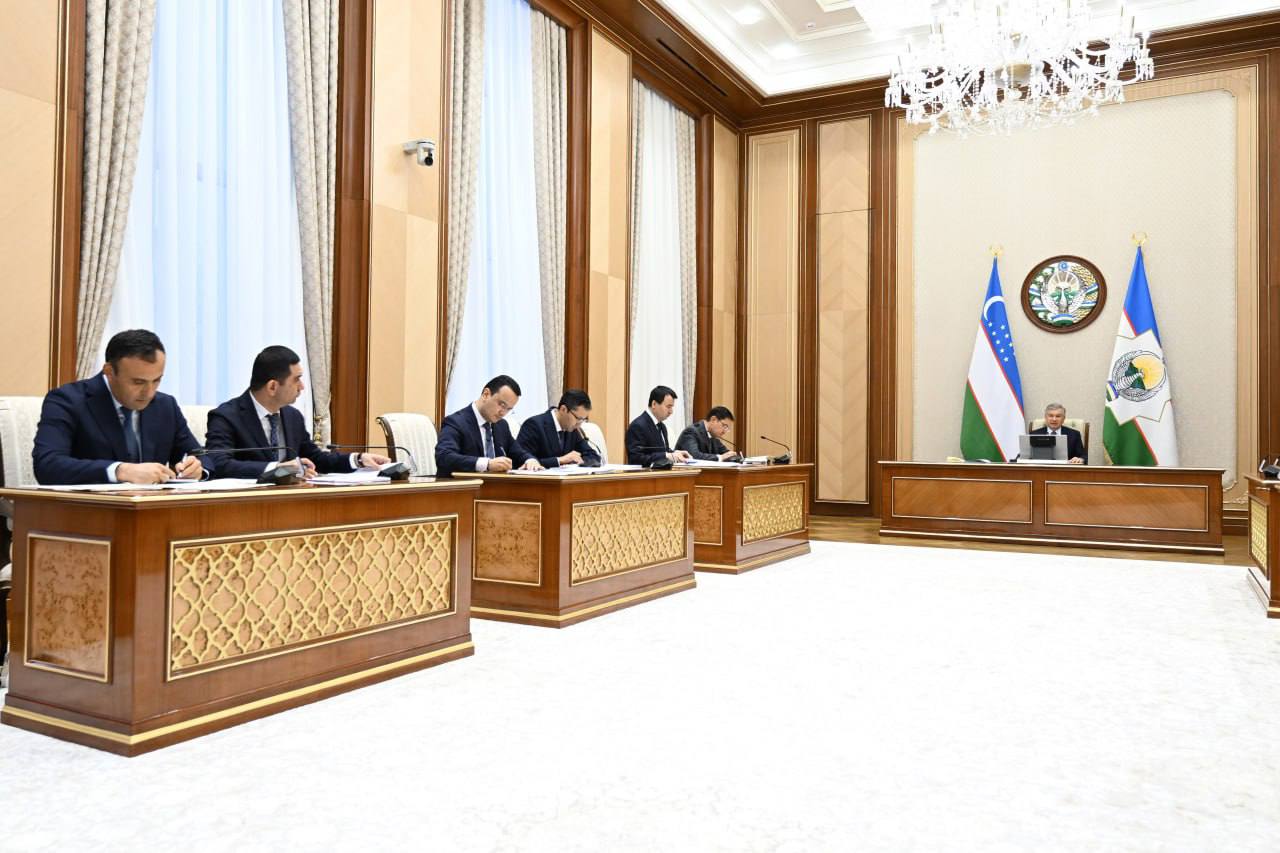
On March 10, President Shavkat Mirziyoyev held a meeting on the effectiveness of ongoing reforms and future priority tasks in the Kashkadarya region, the presidential press service reported.

According to official data, the region recorded steady economic growth last year. Gross regional product increased by 6.8 percent, industrial output by 7.2 percent, services by 13.6 percent, and agriculture by 4.3 percent.

Between 2017 and 2025, gross regional product per capita increased 3.2 times, reaching UZS 26.9m. During the same period, the unemployment rate declined to 4.9 percent and the poverty rate to 6.5 percent.

New projects and investment targets

Authorities aim to maintain strong growth in 2026 through the implementation of new projects across key sectors of the economy.

Industrial output is expected to grow by 8.6 percent, while the region plans to attract $3.5bn in investment and export goods worth $727m. Overall regional economic growth is projected at 8.2 percent, with services expanding by 15.9 percent, construction by 13.2 percent, and agriculture by 5.8 percent.

Officials emphasized the importance of sustaining high industrial growth through the launch of 195 projects with a total value of $1.7bn, alongside expanding production capacity and establishing micro industrial centers.
Major industrial initiatives

Plans were presented to the president for several large industrial projects in the region. These include the creation of production facilities for fabrics, clothing, hygiene products, agricultural machinery and equipment, electric vehicle charging stations, fiber cement panels, and wall tiles.

Two new industrial zones are also planned – the Mubarek Special Innovative Industrial Zone and the Karshi Green Technology Industrial Zone.

Between 2026 and 2027, these zones are expected to host 36 projects worth more than $1.1bn and create around 6,000 new jobs.

Poverty reduction and entrepreneurship support
The meeting also focused on further reducing poverty through deeper specialization of neighborhoods based on new development approaches, as well as expanded access to preferential loans and subsidies.

Authorities plan to allocate UZS 820bn in loans and financing, along with subsidies worth UZS 52.3bn. Additional support for self employed residents in local neighborhoods is expected to lead to the creation of 48,000 business entities and the implementation of 31,000 micro projects.

As a result, officials aim to reduce unemployment to 3.2 percent and the poverty rate to 3 percent by the end of 2026. The Guzar, Kamashi, Kukdala, Mirishkor, Shakhrisabz, and Yakkabag districts are expected to become areas free of poverty and unemployment.

Expanding agriculture and livestock development

Amid rising global meat prices, the region is introducing a new system aimed at developing livestock production, strengthening the fodder base, and improving the use of pasture lands.

Authorities plan to cultivate 200,000 hectares of land by 2030 to expand the production of fodder crops, potatoes, vegetables, legumes, and oilseeds. Of this total, 15,000 hectares are expected to be developed in 2026, along with the necessary infrastructure.

This year, grain yields are projected to reach 84.8 centners per hectare, cotton yields 47.5 centners, and potato yields 175 centners.

Officials noted that the purchase of 48 grain harvesters and 272 seeders, along with the introduction of water saving technologies and modern agricultural methods, could increase agricultural incomes by 20–35 percent.

At the conclusion of the meeting, the president instructed responsible officials to establish strict oversight over the implementation of the outlined tasks, ensure investment and export targets are met, create new jobs, and improve living standards in the region.

Дониёр Тухсинов
Prepared by Дониёр Тухсинов
Follow Kun.uz news on Google News
+ Subscribe

Related News