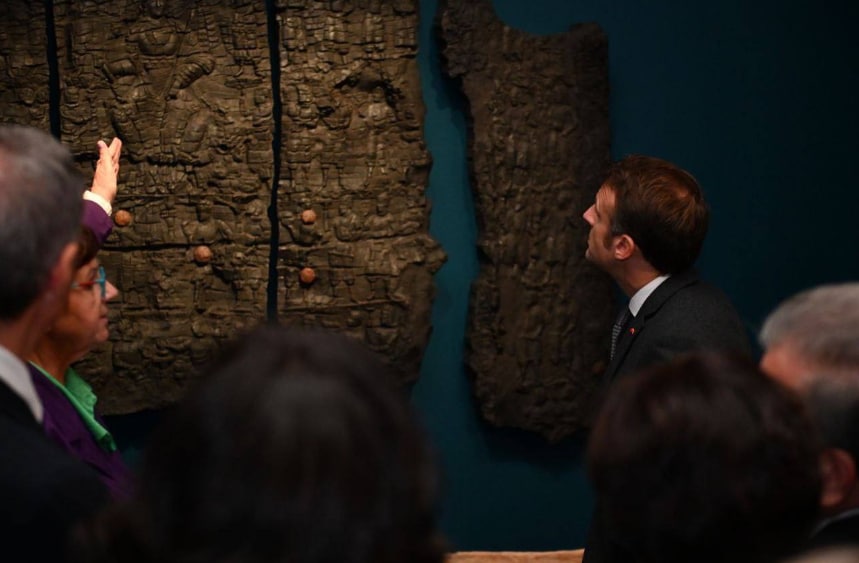
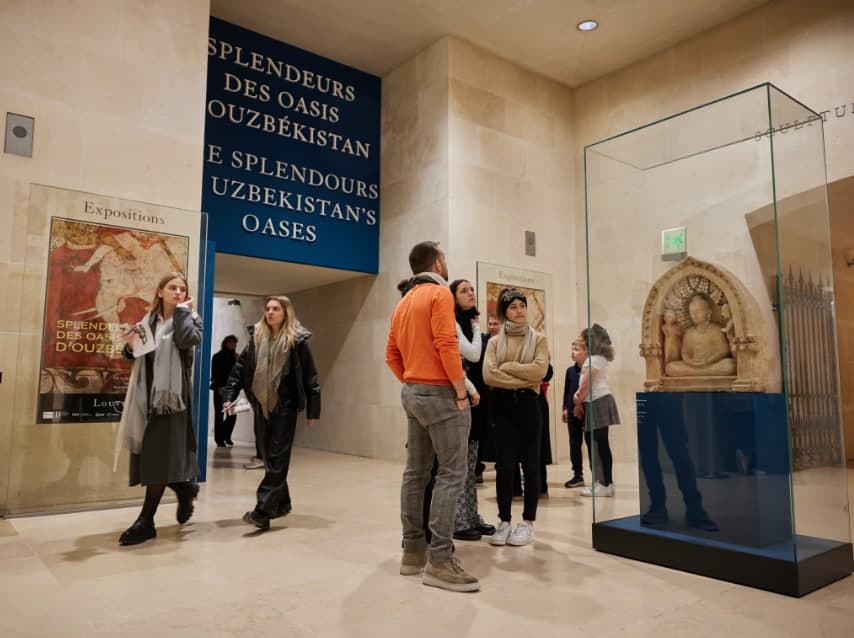
The exhibition in the Louvre covers the period from the 5th to the 6th centuries BC to the Timurids, and the exhibition at the Arab World Institute includes exhibits from the middle of the XIX – XX centuries, as well as brush works of the Turkestan avant-garde in the collections of the State Museum of Uzbekistan.
It should be recalled that in October 2018, President Shavkat Mirziyoyev paid an official visit to France for the first time. An excursion to the Louvre Museum was organized as part of the cultural program. At that time, the idea of organizing a huge exhibition dedicated to the rich historical and cultural heritage of Uzbekistan was taking shape in this museum, and the head of our state approved this idea.
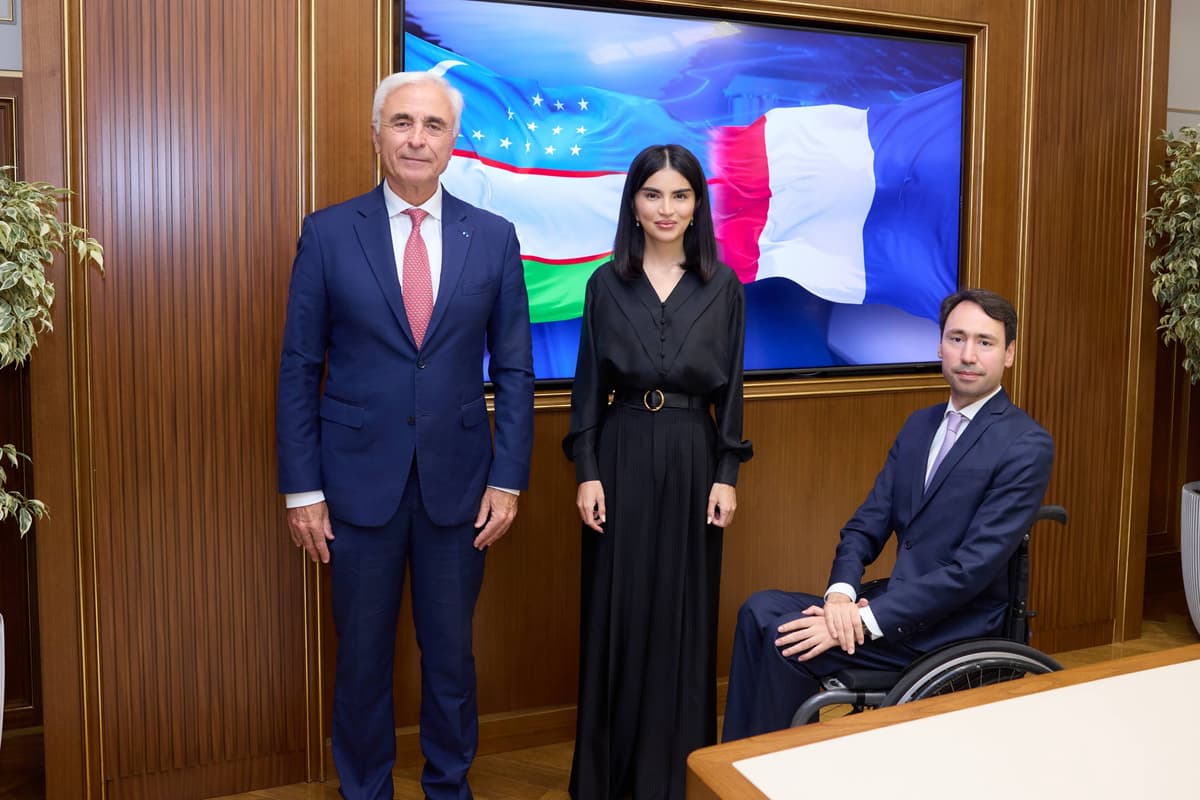
A cooperation agreement was signed between Gayane Umerova, the executive director of the Fund for Developing Culture and Art of Uzbekistan, and the Louvre Museum, and the preparatory work was started under the leadership of the deputy chairman of the Council of the Fund, Saida Mirziyoyeva.
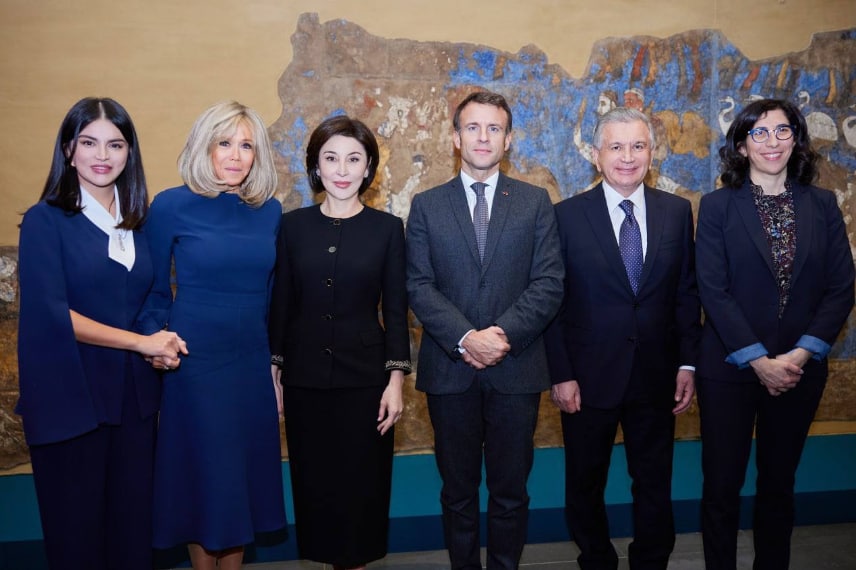
The exhibition at the Louvre was originally planned to be held in 2020-2021, but the COVID-19 pandemic prevented these plans from being implemented and the exhibition had to be postponed to 2022. At that time, it was logical not only to show the ancient civilization of Uzbekistan that ended in the XV century, but also to talk about it until later times. This ensures harmony and perfection of these works. Thus, it was decided to organize two exhibitions at the same time – at the Louvre Museum and the Arab World Institute.
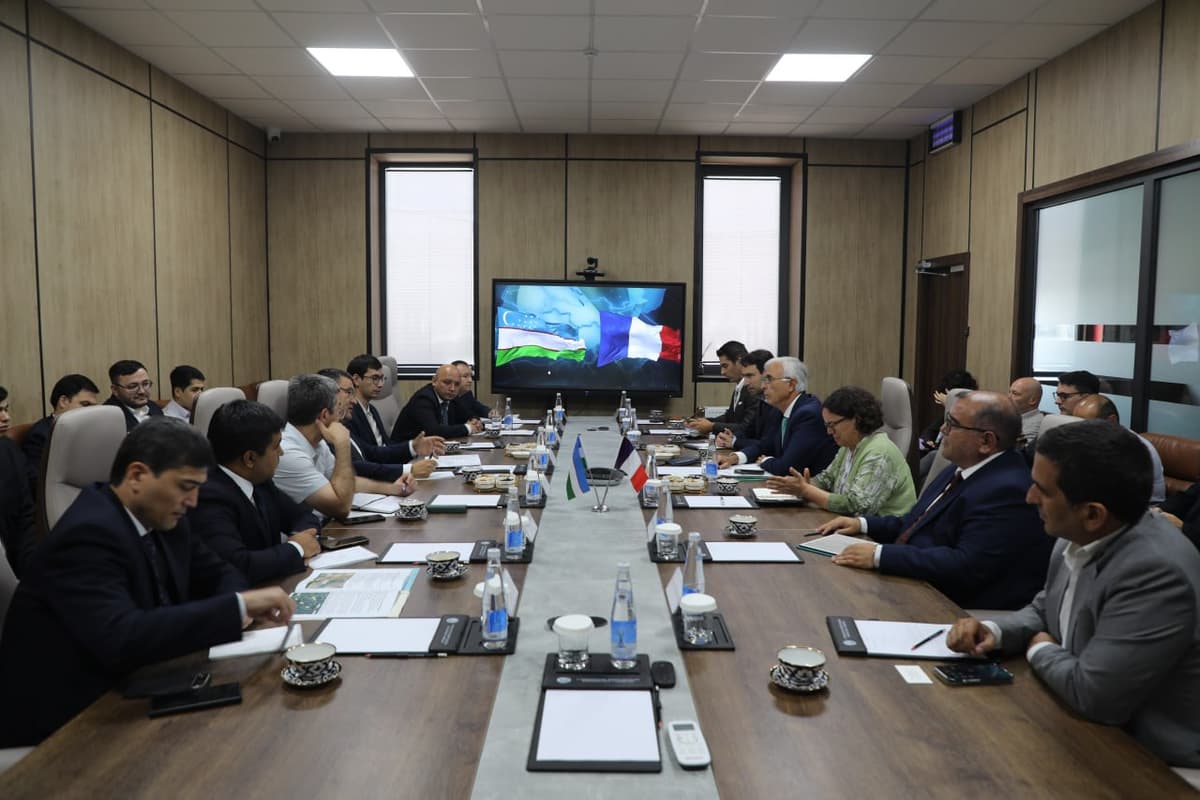
A special commission was formed under the leadership of the PM of the Republic of Uzbekistan to prepare both exhibitions. This commission included Shokir Pidayev, project consultant and Institute of Art Studies, Shoazim Minovarov, director of the Center of Islamic Civilization, ministers, scientists, archaeologists, heads and curators of museums where exhibits are taken.
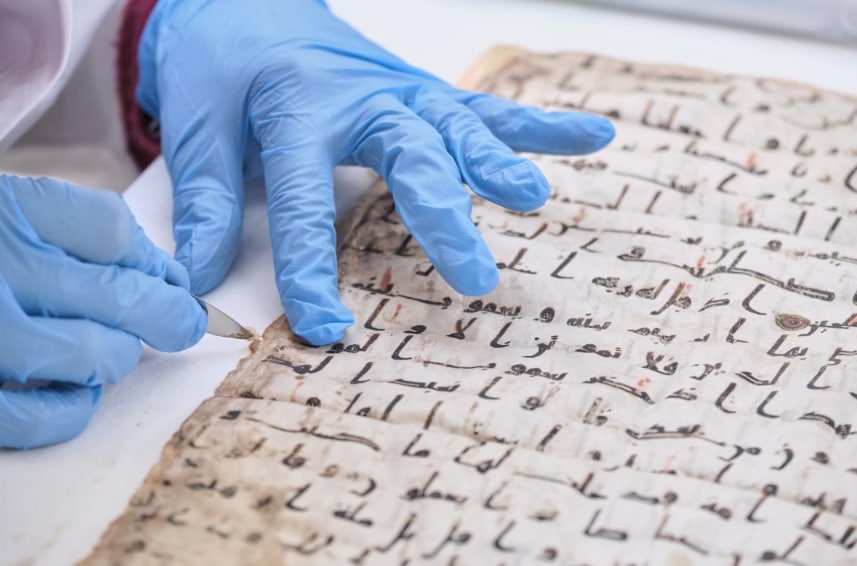
Extensive restoration work has been started. Since 2018, more than 70 items have been restored just for the exhibition. A team of more than 40 restorers of paper, wood, metal, sculpture, glass and wall painting from France and Uzbekistan was involved in the project. Marina Reutova, Kamoliddin Mahkamov, Shuhrat Polatov, Christine Parisel, Olive Tavozo, Delphine Lefebvre, Geraldine Frey, Axel Delot, Anne Leje and others are among them.
In particular, the restoration of the pages of the “Katta Langar Quran” from the 8th century was very difficult and at the same time interesting. This Quran is one of the values that make up the cultural and historical heritage of all humanity, gaining great importance for the Islamic religion and Muslims.