Speaking at the Silk Road Finance & Technology Forum in Tashkent, Khodjaev said Uzbekistan had significantly expanded its power generation capacity over the past six years, including through power purchase agreements (PPAs).
“We have signed a large number of PPAs. More than 30% of electricity generation now comes from renewable sources,” he said.
Khodjaev said access to renewable electricity was another factor making Uzbekistan attractive to international investors looking to develop data centers.
The government is placing particular emphasis on Karakalpakstan as a potential location for data centers because of the region’s substantial renewable energy resources.
“We specifically selected Karakalpakstan for data center construction because it has significant renewable energy resources,” Khodjaev said, noting that several international investors are already developing wind and solar power projects in the region.
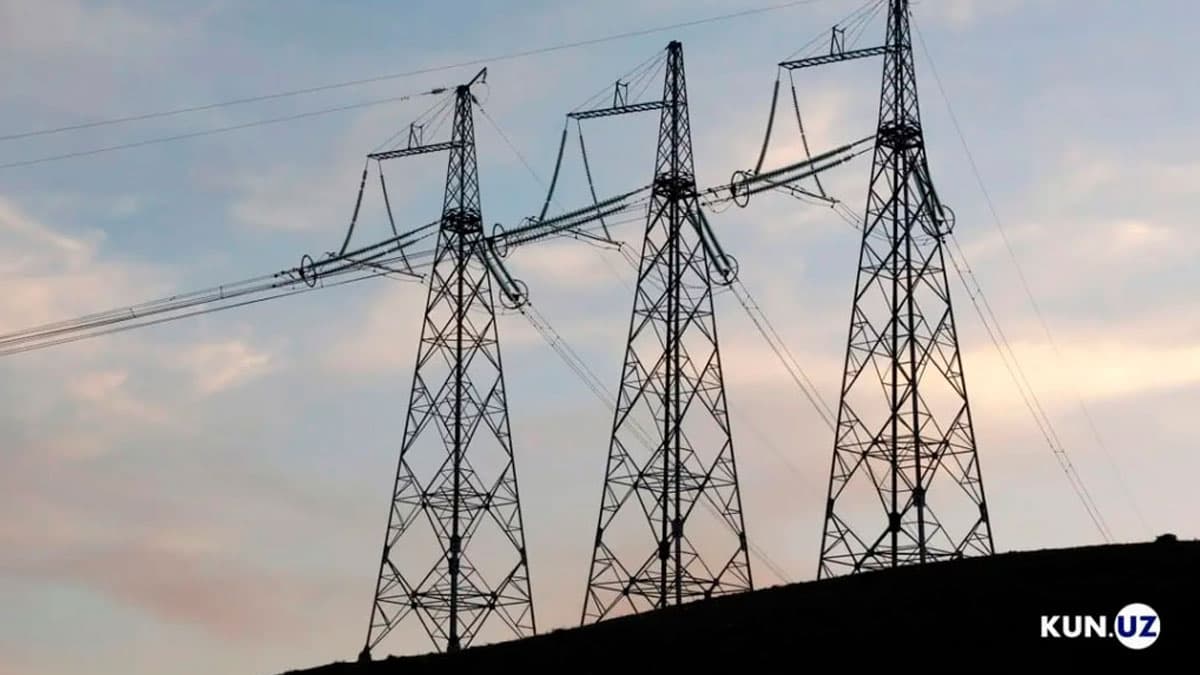
The Presidential Administration is working with the Ministry of Energy to ensure that planned data centers have a reliable and stable electricity supply.
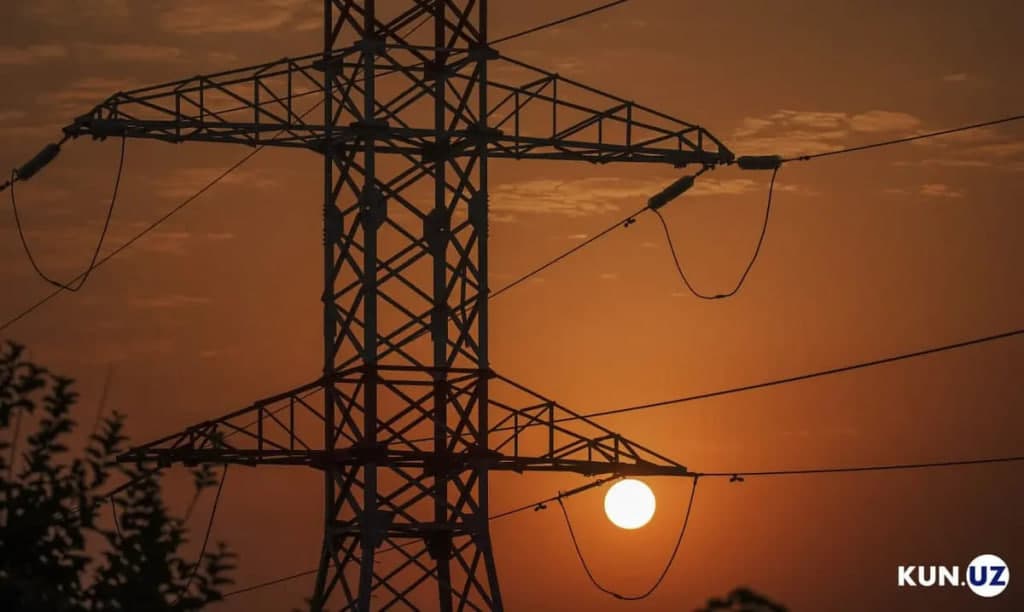
“Of course, the stability of electricity supply is the number one question investors ask us during negotiations,” Khodjaev said.
The emphasis on energy infrastructure comes as demand for electricity is rising across Central Asia amid rapid economic and population growth.
Roman Rybalkin, director and lead analyst for Central Asia and the Caucasus at S&P Global Ratings, said the region would need to continue expanding its power generation capacity to meet growing demand.
He said this was one reason Uzbekistan had been actively developing renewable energy, with investors from Gulf countries playing a prominent role.
Rybalkin also pointed to growing interest in nuclear power across Central Asia. Uzbekistan is developing a nuclear power project in Jizzakh region, while Kazakhstan is at an early stage of developing a large nuclear power plant, he said.
“Energy as a whole is one of the key issues on the agenda, while green energy is certainly one of the answers to this challenge,” Rybalkin said.
Power supply stability tops data center investors’ concerns in Uzbekistan
16:46 / 25.08.20262,2624 min
Reliable electricity supply is the main concern raised by international investors considering data center projects in Uzbekistan, Bobur Khodjaev, head of the Department for Financial Technologies, Digitalization and Artificial Intelligence at the Presidential Administration, said.