Another serious problem has appeared in Uzbekistan, which is already struggling with problems such as water shortage, drought and desertification.
On March 31, 2022, the Taliban government presented a project for the construction of a large canal in the north of the country. According to it, the Kushtepa canal, which starts from the Amudarya, is being built in the territory of Balkh province.
When this canal is completed, the water will decrease to 34 cubic kilometers in less water years, that is, almost 10 cubic kilometers of Amudarya water – a third of the river water – will flow into the interior of Afghanistan. This can create serious consequences for Khorezm, Bukhara, Surkhandarya and Navoi regions and the Republic of Karakalpakstan.
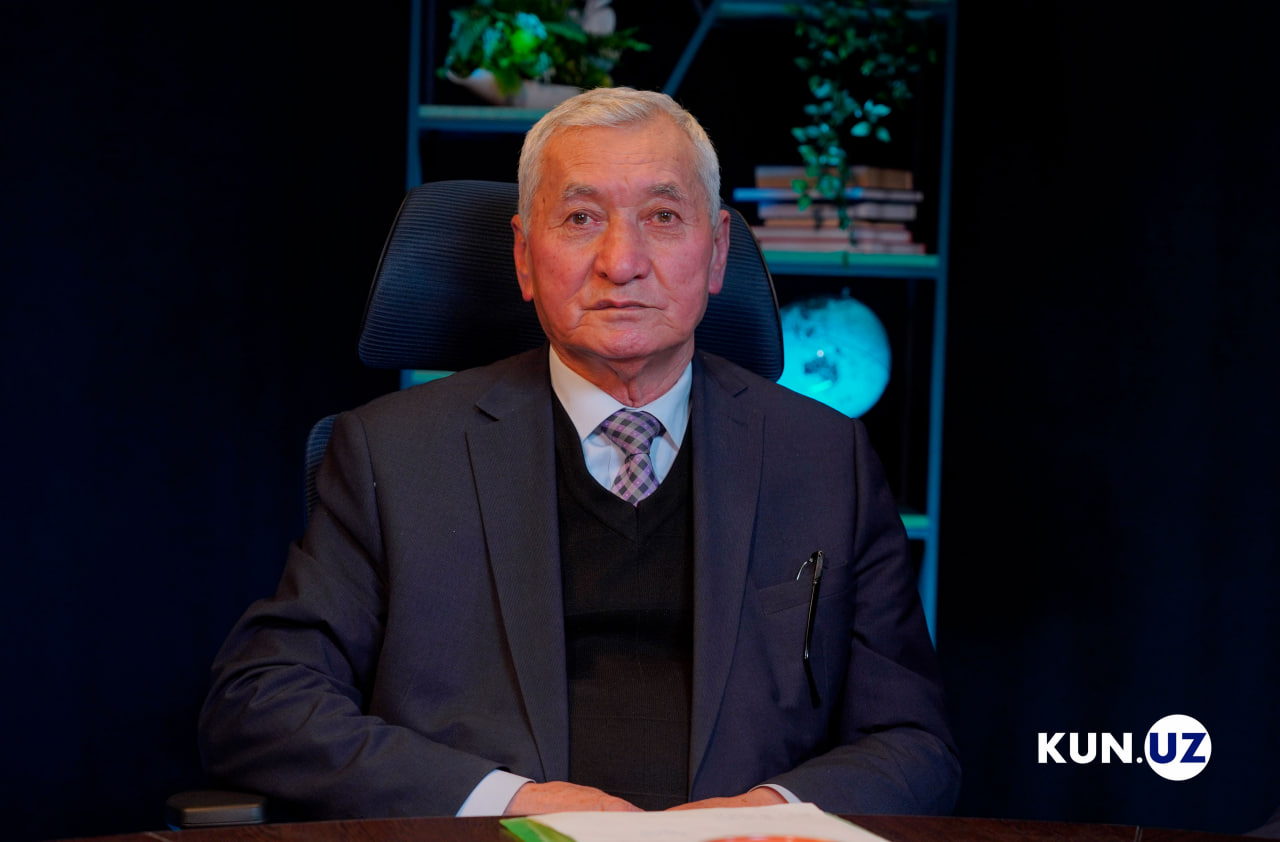
Kun.uz correspondent spoke to Doctor of Agricultural Sciences, Professor Usmon Norkulov, political scientists Kamoliddin Rabbimov and Sukhrob Buronov about this big problem facing the statehood of Uzbekistan and the situation in Afghanistan in general, the complications that have arisen in the relations between the interim government there and the government of Uzbekistan.
- Mr. Usmon, as a reclamation scientist, how aware are you of the Kushtepa canal project, which is being built in the north of Afghanistan? What kind of project it is, and what will happen when it is completed?
Usmon Norkulov:
- Due to the long-term wars in Afghanistan, there have been drastic changes in the water system and agriculture. In the 70s of the last century, Afghanistan cultivated 3.5 million hectares of land under irrigation. As a result of the turmoil of the following years, 1.5 million hectares of agricultural land were abandoned. Not only the land, but also the irrigation networks have become unusable. The canal that is currently being dug is really huge.
There is an important question here: where do they get the main part of the water? According to the current information, they will take it from the beginning of Amudarya. The canal passes through the plains of Afghanistan. There is a large plain in the southeastern part of the canal. A large part of this plain corresponds to the territory of the Karakum desert. And the canal passes through a sandy area, and the efficiency of the canal is low. The Karakum canal of Turkmenistan is a canal of the same category.