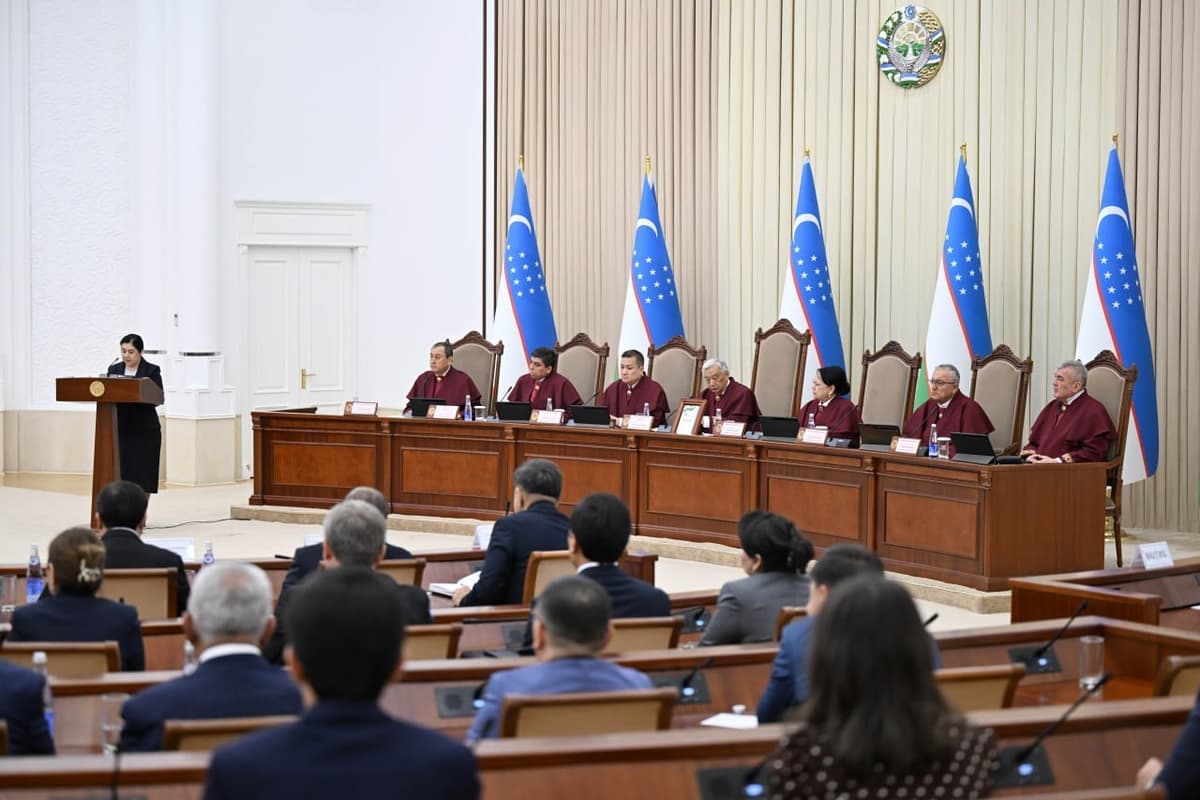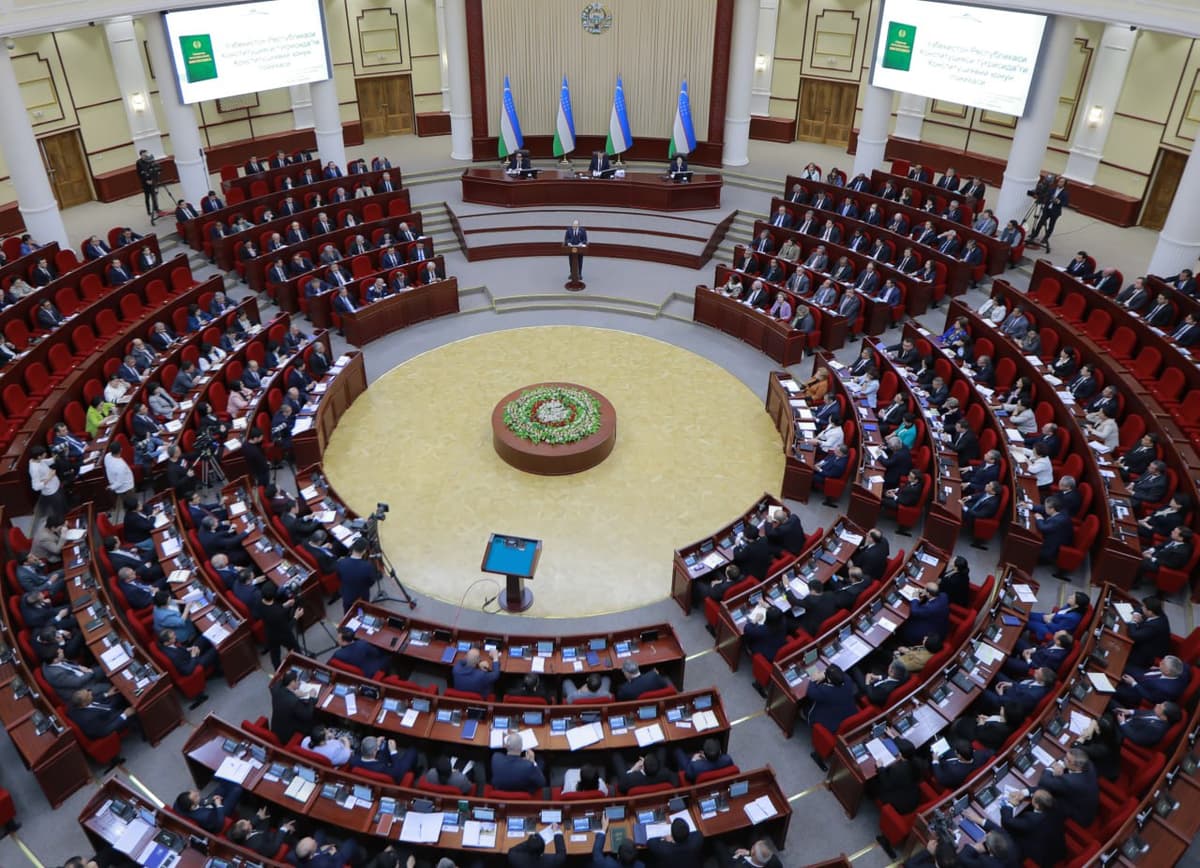
Deputy Jakhongir Shirinov, who provided a report on the renewal of the Constitution in the Parliament of Uzbekistan, listed some changes to the main law. Below is an excerpt from his speech.
First, Uzbekistan is declared a social state. Norms regarding social obligations of the state are increasing almost threefold. In particular, the socially needy categories of citizens are provided with housing, the minimum amount of wages is determined taking into account the provision of a decent living for a person, the right of citizens to receive the guaranteed amount of medical care at the expense of the state, etc. are being determined. In other words, all elements characteristic of a social state are reflected in our Constitution.
Secondly, the social state approach is expressed in many articles and norms in the field of education.
In particular, the right of young people to study in universities at the expense of the state on the basis of a grant is defined in the Constitution. That is, the possibility of receiving higher education at the expense of the state is guaranteed for talented young people. This means that quotas are always allocated for government grants in higher education and this procedure is never cancelled.
At the same time, the state undertakes to create all conditions for children with disabilities to receive the same education as their peers, that is, to develop an inclusive education system.
Thirdly, the norm that “providing human rights and freedoms is the highest goal of the state” is established. To achieve this goal, the project envisages the following: 1) human honor and dignity are inviolable; 2) measures of legal influence applied by state bodies to a person should be based on the principle of proportionality and be sufficient to achieve the goals stipulated by the laws.
The presumption of innocence is being strengthened. For example, the current Article 26 of our Constitution stipulates that a person shall not be considered guilty until his case is examined in court and his guilt is determined, but now it is being confirmed that he is innocent until proven guilty by a legally binding court verdict.
Fourthly, this Constitution is a directly working document. That is, now all citizens refer to the Constitution even in their daily life. All the norms in it are directly applicable, regardless of whether or not there is a legal document that reveals how to apply them.
Fifth, in order to further expand the scope of the institution of “habeas corpus”, it is determined that a person cannot be detained for more than 48 hours without a court order, and phone conversations and searches can be carried out only with the permission of the court.