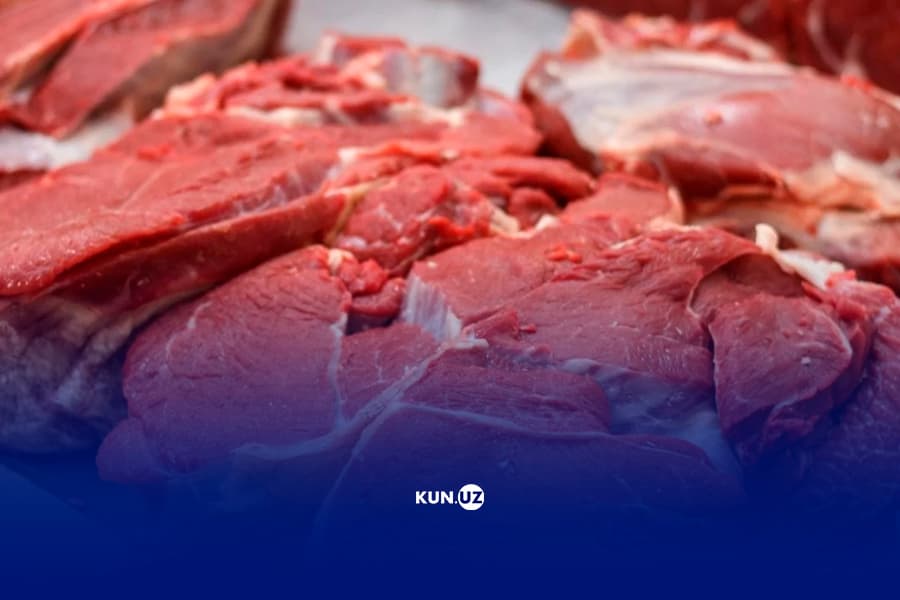
Globally, the average price of 1 kg of beef stands at $6, yet in Uzbekistan, prices hover between $8 and $11. Local butchers interviewed by a Kun.uz correspondent warn that prices could climb even higher in the coming days. Several interconnected factors appear to be fueling this trend in recent years.
Firstly, the land allocated for livestock grazing doesn’t match the number of cattle. Pastures that once existed have increasingly been converted into cropland, exacerbating this imbalance. For farmers looking to expand livestock production, the lack of sufficient grazing land poses a significant barrier. Pasture-based livestock farming incurs far lower costs than stall-fed methods, making it a critical factor in balancing meat prices due to its cost-efficiency. However, climate change and water scarcity are shrinking these pastures naturally, while the chopping of shrubs and semi-shrubs for firewood and household needs has accelerated their degradation and desertification.
This reduction in pastureland demands greater reliance on existing resources, slowing vital natural processes like plant growth, seed production, and soil replenishment. Stabilizing current price hikes and boosting market supply requires addressing this long-standing systemic issue. Without increasing the size and productivity of desert pastures, expanding the livestock population grazing on them remains unfeasible. Some countries, for instance, have tackled this by annually sowing grass seeds to rejuvenate grazing areas.
Secondly, a significant portion of meat is produced in households, where young cattle are bought from breeders, fattened, and sold for additional income. The volatile prices of feed like meal and oilcake, coupled with insufficient land for forage and unofficial restrictions on planting crops like corn, are driving up livestock feed costs. As a result, consumers bear the brunt of these rising expenses. Unlike cotton or grain, meat isn’t treated as a top-tier strategic commodity.
Thirdly, 2025 has seen a global uptick in meat prices. The UN Food and Agriculture Organization’s (FAO) beef price index exceeded 132 points in March—the highest in 33 months. Neighboring countries are feeling the pinch too: in March, Kazakhstan saw beef prices rise by 3.5% and lamb by 3.4%, while Kyrgyzstan recorded a 3% inflation rate for meat products.
How much have prices risen?
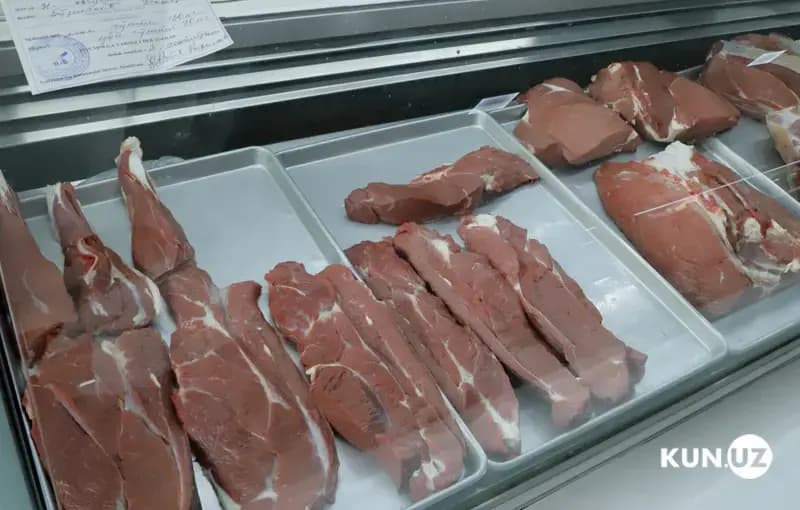
The impact of rising meat prices varies across Uzbekistan’s regions. In Kashkadarya’s Nishon district, beef jumped from 95,000 UZS to 110,000 UZS per kg, and lamb from 110,000 UZS to 120,000 UZS. At Namangan’s Chortoq farmers’ market, premium beef rose from 110,000 UZS to 130,000 UZS, while in Fergana city, it climbed from 120,000 UZS to 150,000 UZS. In Tashkent’s markets, premium beef previously sold for 120,000–125,000 UZS now fetches 140,000–150,000 UZS.