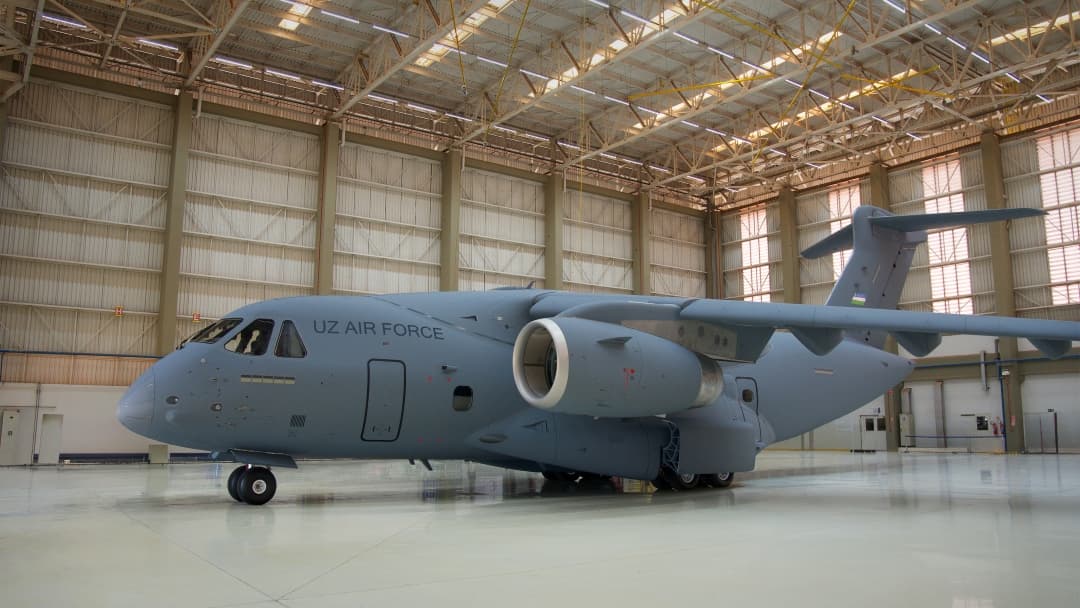
Several reports indicate that Uzbekistan plans to obtain fifth-generation Chinese JF-17 block 3 multirole fighter jets for future needs. Reported evidence, including videos and agency sources, suggests progress in the potential fighter jet deal between Tashkent and Beijing, although the governments have not made any official announcements. A recent video attracted substantial attention by showing a jet pilot flying with the Uzbek Air Force logo inside a JF-17 Block 3 fighter jet bearing Chinese military identifiers, hinting at potential future China–Uzbekistan military cooperation. This potential acquisition could significantly impact both strategic planning and international power relations. Uzbekistan, which had primarily relied on aging Soviet-era military jets, is now seeking to build partnerships with different countries for its defense needs, especially with China.
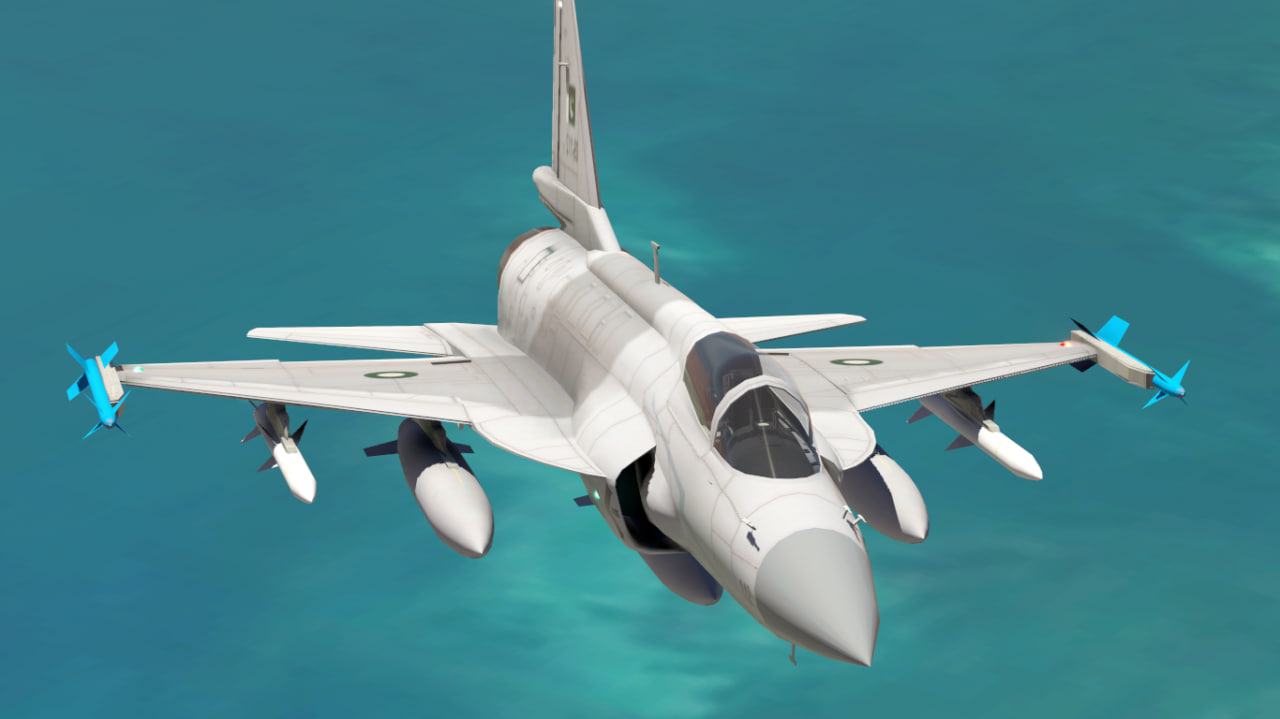
Uzbekistan aims to procure military equipment from various international suppliers rather than relying solely on traditional partners. Its former primary supplier, Russia, can no longer fully meet Uzbekistan’s military needs. Weapon production in Russia remains insufficient, and its existing systems often fail to meet modern technological standards. Continued reliance on these suppliers would limit Uzbekistan’s military capabilities. Thus, the country is searching for new partners to acquire more advanced and affordable technology. By diversifying partnerships, Uzbekistan not only secures modern technology but also reduces dependency on a single supplier, building a contemporary fighting force.
Russia’s supply of military equipment has dwindled, as it redirects resources to the conflict in Ukraine. The ongoing war has constrained Russia’s ability to supply jets and weapons to Uzbekistan. Acquiring Chinese aircraft represents more than just obtaining advanced flight technology; it reflects Uzbekistan’s broader international policy shifts. Strengthening ties with China enables Uzbekistan to move toward strategic independence from Russian supplies while actively seeking alternative global alliances. This choice could reshape regional dynamics as Central Asian nations pursue new strategic partnerships.
Multiple factors may influence Uzbekistan’s decision to purchase fighter jets from China. The most significant advantage is cost-efficiency. Uzbekistan urgently needs to modernize its Air Force, which still operates aging MiG-29 and Su-27 models from the Soviet era. With a defense budget of $1.7 billion in 2023, Uzbekistan cannot justify the purchase of expensive Western aircraft like the Dassault