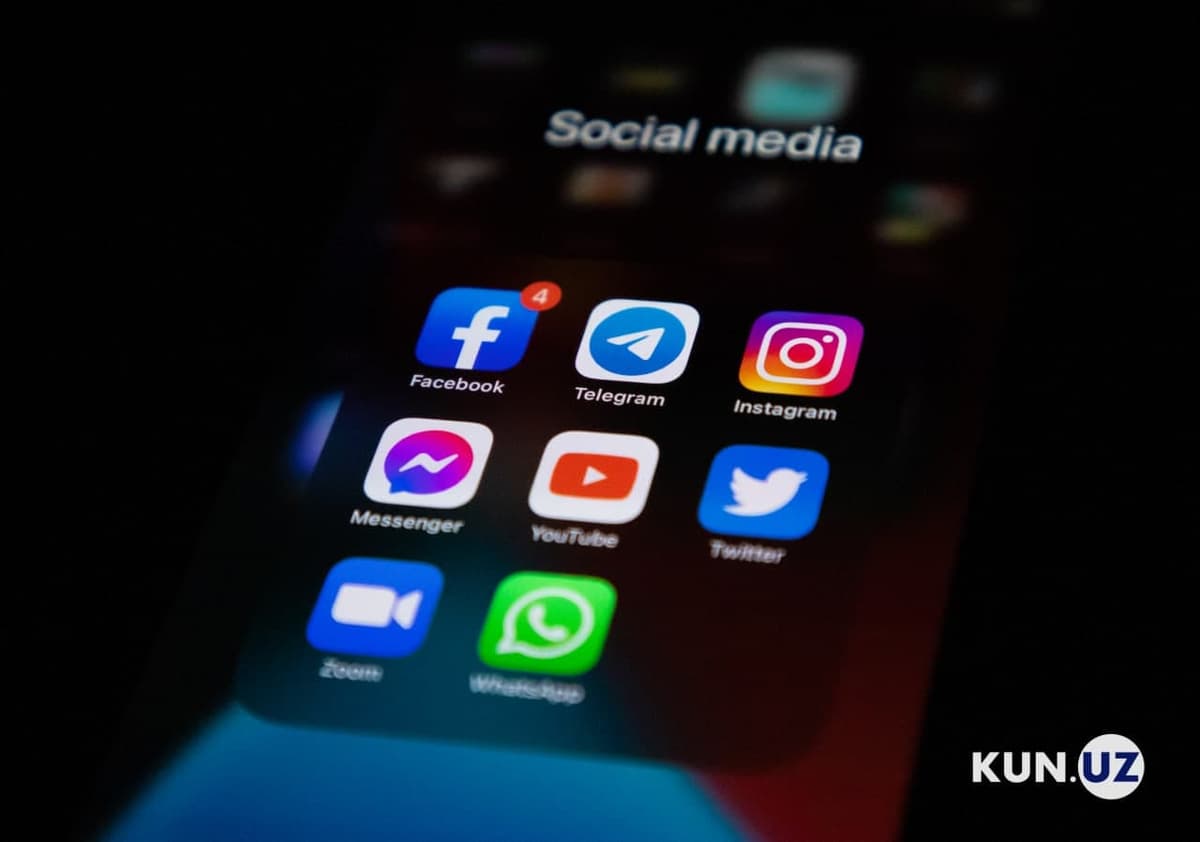
The primary goal of the proposed legislation is to regulate social relations in the area of protecting users’ rights on online platforms and websites operating within the territory of Uzbekistan. It does not apply to websites of mass media outlets that have been officially registered; such media entities are regulated under the Law “On Mass Media.”
Key definitions
The draft law introduces clear definitions for several key terms, including:
- Blogger: A physical person (online platform user) who publishes content of socio-political, socio-economic, or other nature on their account or in a public community, enabling discussion among other users.
- Influencer: A blogger with over 10,000 followers on their account or in a public community on an online platform.
- Website owner: An individual or legal entity that independently determines the rules for using the website, including how content is posted.
- False information: Any form of information that misrepresents facts about individuals, objects, events, or processes, causing incorrect impressions and not reflecting reality.
Rights of users, bloggers, influencers, and website owners
The proposed law outlines several rights, such as:
- Creating accounts or public communities on online platforms;
- Access to complete and accurate information about the terms of use of online platforms;
- Preparing, obtaining, and distributing content by any means not prohibited by Uzbek law;
- Expressing opinions freely on online platforms and websites in accordance with national legislation;
- Protecting one’s rights, freedoms, legal interests, dignity, and honor through competent authorities or the courts;
- Requesting online platform owners, community moderators, or website administrators to respect and ensure compliance with users’ rights and lawful interests;
- Earning income from creative, commercial, or other legal activities in accordance with national legislation and platform rules;