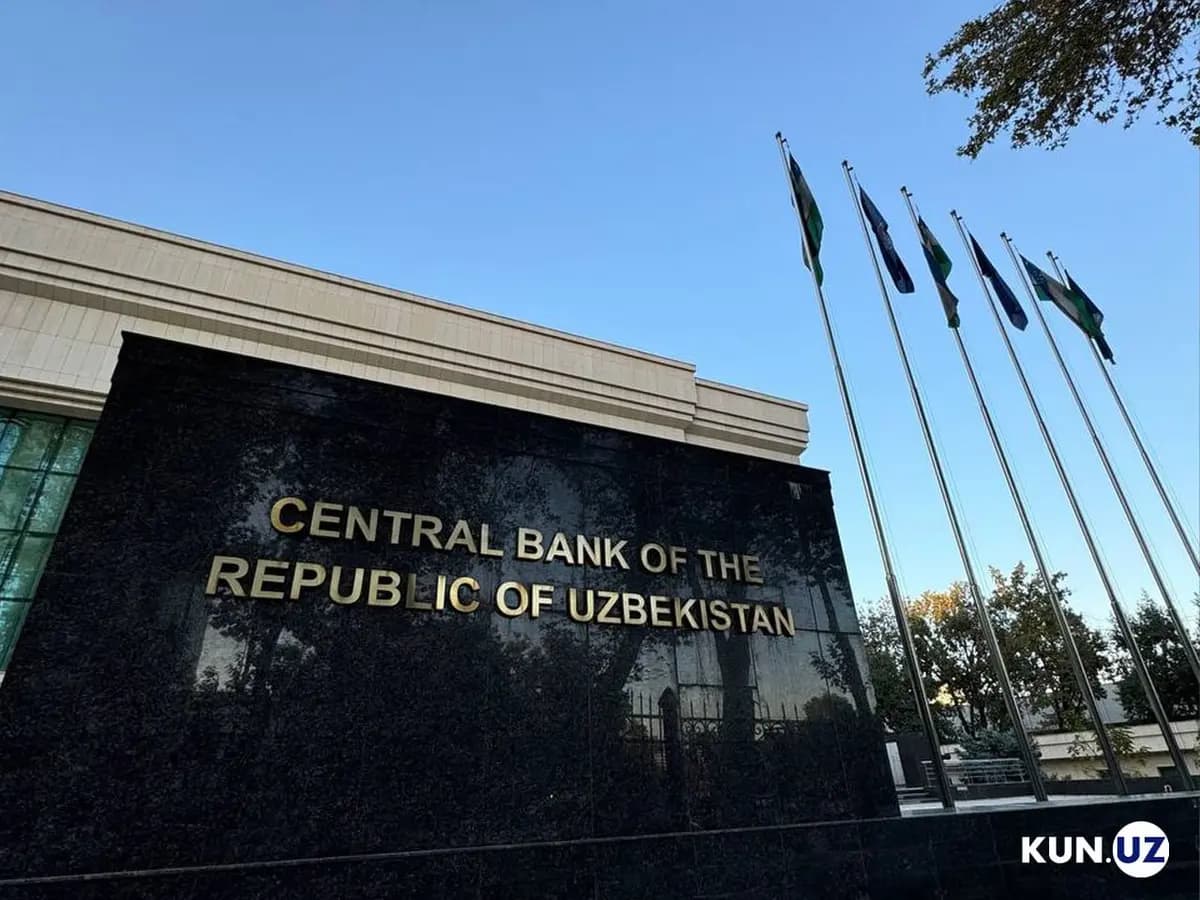
The clarification was made in a letter signed by Central Bank Deputy Chairman Nodirbek Achilov in response to an official inquiry from Spot.
The issue arose after the Institute for Reducing the Shadow Economy, Improving Tax and Customs Administration and Fiscal Analysis under the Ministry of Economy and Finance proposed the measure at a fiscal dialogue on July 30. The institute estimated that a 5% tax on interest earned from bank deposits by individuals could generate about UZS 1.4 trillion in additional budget revenue.
The proposal prompted public discussion over its possible impact on depositors and the banking sector, with both the Central Bank and the institute issuing separate statements.
The Central Bank said its position on the matter had not changed. It stressed that the tax proposal had been put forward as part of an academic and analytical study and had not been submitted to the regulator as an official proposal.
The bank also clarified that the research and analytical materials in question had been prepared by the institute under the Ministry of Economy and Finance.
“Opinions and considerations expressed as part of this study should not be regarded as an official initiative, proposal or draft decision put forward by the Central Bank,” the letter said.
The regulator directed questions about the study’s methodology, assumptions, findings and the reasoning behind its recommendations to the institute itself.
At the same time, the Central Bank said any move to tax deposit interest income would affect several interconnected areas, including household saving behavior, deposit market conditions, banks’ funding base, the relationship between lending and deposits, monetary conditions, financial intermediation and macroeconomic stability.
The regulator said the consequences of such a measure could not be assessed reliably without detailed macroeconomic calculations and a comprehensive analysis of how these factors interact.
The Central Bank added that its priorities in monetary and macroprudential policy remain price and financial stability, the resilience of the banking system, efficient financial intermediation and the interests of financial service users.
Should a specific proposal or draft legislation on taxing deposit interest formally reach the Central Bank, it said it would assess its macroeconomic and financial consequences, including the effect on banks’ funding and stability, the cost of financial resources, lending activity and depositors.