



Additional features
-
Night mode

New data shows regional disparities in Uzbekistan’s drinking water access
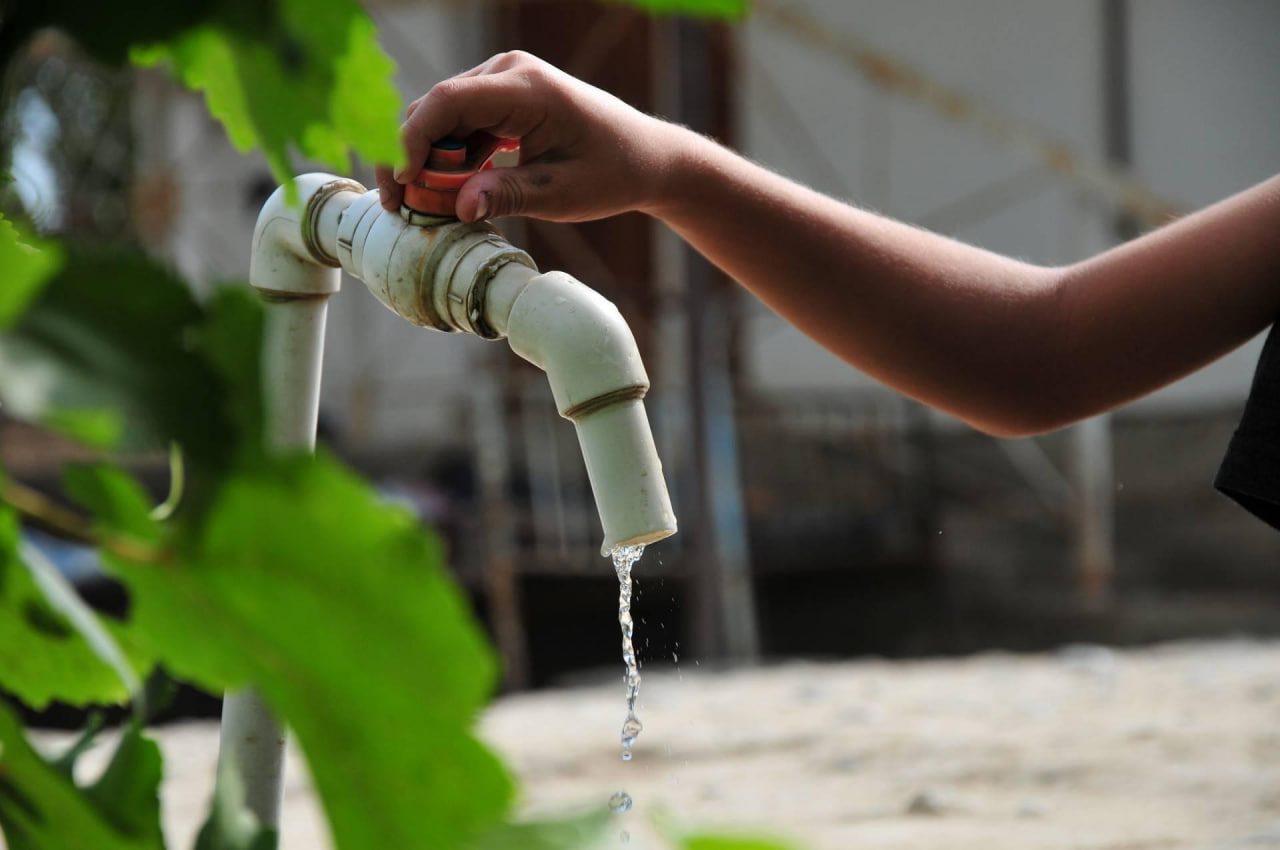
As of July 2025, 81.5% of Uzbekistan’s population is supplied with centralized drinking water, according to data released by the press service of Uzsuvtaminot.
Tashkent city leads the country with 98.4% access, while Kashkadarya region ranks last at 61.2%.
Here is the breakdown by region:
- Tashkent city – 98.4%
- Andijan region – 92%
- Bukhara region – 74.3%
- Fergana region – 82.5%
- Jizzakh region – 75.3%
- Navoi region – 85.8%
- Namangan region – 87%
- Kashkadarya region – 61.2%
- Samarkand region – 78.6%
- Surkhandarya region – 66.5%
- Syrdarya region – 87.7%
- Tashkent region – 79.9%
- Khorezm region – 91.6%
- Republic of Karakalpakstan – 74.2%
Kashkadarya also had the lowest indicator at the beginning of 2025, showing persistent issues in access to centralized drinking water.
In a televised report on Uzbekistan 24, it was stated that UZS 35 trillion has been allocated to improve drinking water infrastructure across the country. At a meeting in March, the President announced that 1,619 kilometers of new drinking water pipelines would be laid by the end of 2025.
What defines safe drinking water?
Globally, drinking water is classified as a food product, and must pass laboratory testing to ensure it is safe for human health. The primary source of drinking water must meet the standards of UzDSt 951:2011, which outlines hygienic and technical requirements, as well as selection rules for centralized household drinking water systems.
If the water source does not meet hygienic standards, the water undergoes a multi-stage purification process at specialized treatment facilities before being supplied to households.

Related News

17:49 / 06.07.2026
Egypt seeks closer transport and logistics cooperation with Uzbekistan

15:35 / 06.07.2026
Uzbekistan eyes stake in Georgia’s Anaklia port to strengthen trade corridor

18:59 / 25.06.2026
Namangan region secures UZS 703 billion for water infrastructure and transit upgrades

15:23 / 25.06.2026