





Additional features
-
Night mode

Court opens trial against religious scholar Mubashshir Ahmad
At the first court hearing, Mubashshir Ahmad rejected charges of distributing materials that pose a threat to public order and incite hatred. He admitted to sharing religious content without authorization but explained that this took place outside the territory of Uzbekistan.
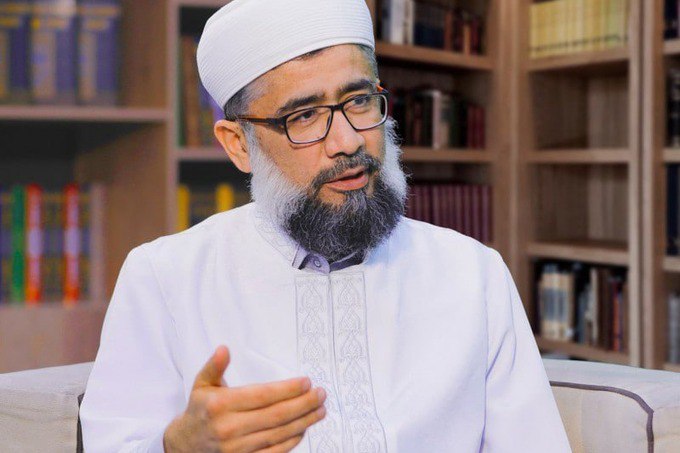
On 19 August, the Uchtepa District Criminal Court began hearings in the case of religious scholar Alisher Tursunov, better known as Mubashshir Ahmad.
According to Kun.uz, the case is being presided over by Judge Bobur Rahimov.
Before the hearing began, journalists were not permitted to bring audio or video recording devices into the courtroom. In response, Mubashshir Ahmad and his lawyers requested that the judge allow reporters to use such equipment in line with the principle of transparency. Deputy district prosecutor Erkin Narzullaev opposed the request, arguing that recordings could lead to misinterpretations of the proceedings.
The judge ruled that the trial would be open to the media and the public but prohibited audio, photo, and video recordings.
The prosecutor then read out the indictment. According to the charges, the defendant is accused under three articles of the Criminal Code:
Article 244-3: Illegal preparation, storage, import, or distribution of religious materials
Article 244-1: Preparation, storage, distribution, or display of materials that pose a threat to public security and public order
Article 156: Incitement of national, racial, ethnic, or religious hatred
Mubashshir Ahmad admitted to distributing religious materials on his social media pages without the authorization of the Committee on Religious Affairs, but said this occurred while he was outside Uzbekistan. He denied the remaining two charges.
The next court hearing is scheduled for 8 September, when experts are expected to testify.
For reference, 51-year-old Alisher Tursunov is active in the Uzbek segment of social media. The religious scholar has authored several Islamic books and worked on educational projects such as Azon.uz and Azon TV in Uzbekistan.
In recent years, he had been residing in Turkey. On 8 May this year, he was detained in Istanbul and subsequently deported to Uzbekistan on 10 May.

Related News
16:12 / 10.07.2026
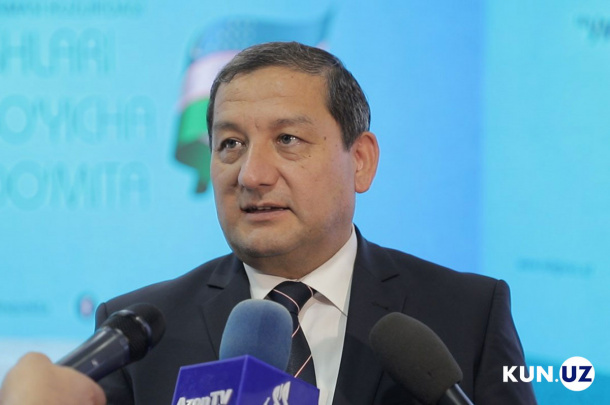
Muzaffar Komilov appointed presidential adviser on religious and educational affairs
13:41 / 09.07.2026
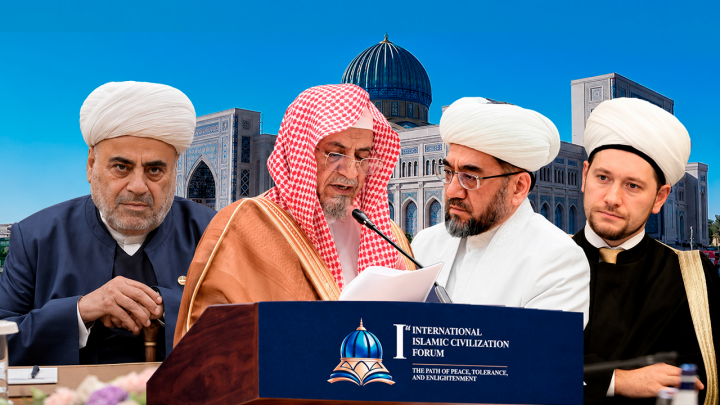
Tashkent Islamic Civilization Forum proposes 10 global initiatives to preserve Islamic heritage
14:03 / 07.07.2026
President Mirziyoyev urges global cooperation to preserve Islamic scholarly legacy
11:43 / 07.07.2026