According to the proposal, the Yuksalish movement seeks to limit the executive branch’s powers regarding customs duties and delegate this authority to the Oliy Majlis (parliament).
Since May 1, 2025, Uzbekistan has tightened the rules for duty-free import of goods for personal use. The limits after which customs duties must be paid are as follows:
- $1,000 – when entering by air,
- $500 – by rail or river transport,
- $300 – through automobile and pedestrian checkpoints,
- $200 – for international courier deliveries,
- $100 – for postal shipments.
According to Yuksalish, these rules not only increase the financial burden on citizens but also negatively affect market competition.
In many cases, goods have no official distributors in Uzbekistan, forcing citizens to purchase them abroad. However, the current 30% customs duty, in the movement’s view, artificially inflates prices, restricts consumer choice, and strengthens the position of large importers.
“As a result, competition decreases, prices rise, product quality deteriorates, and small and medium-sized businesses face difficulties entering the market. This infringes on consumers’ right to choose and slows the development of a healthy market environment,” the statement said.
The Yuksalish movement proposes several measures, including:
- establishing customs tariffs, limits, and rates for goods imported by individuals through legislation, rather than through subordinate regulations – meaning that parliament, not the Cabinet of Ministers, should set them, while the cabinet should only determine the procedures for implementation;
- developing a mechanism to clearly distinguish between commercial imports and imports for personal use, and applying lower, proportional, and progressive rates instead of a fixed 30% tariff on the portion exceeding the limit;
- using customs tariffs not as a tool to protect monopolies, but solely as a means to combat smuggling and promote competition;
- easing import conditions for product categories where sufficient domestic competition has not yet developed;
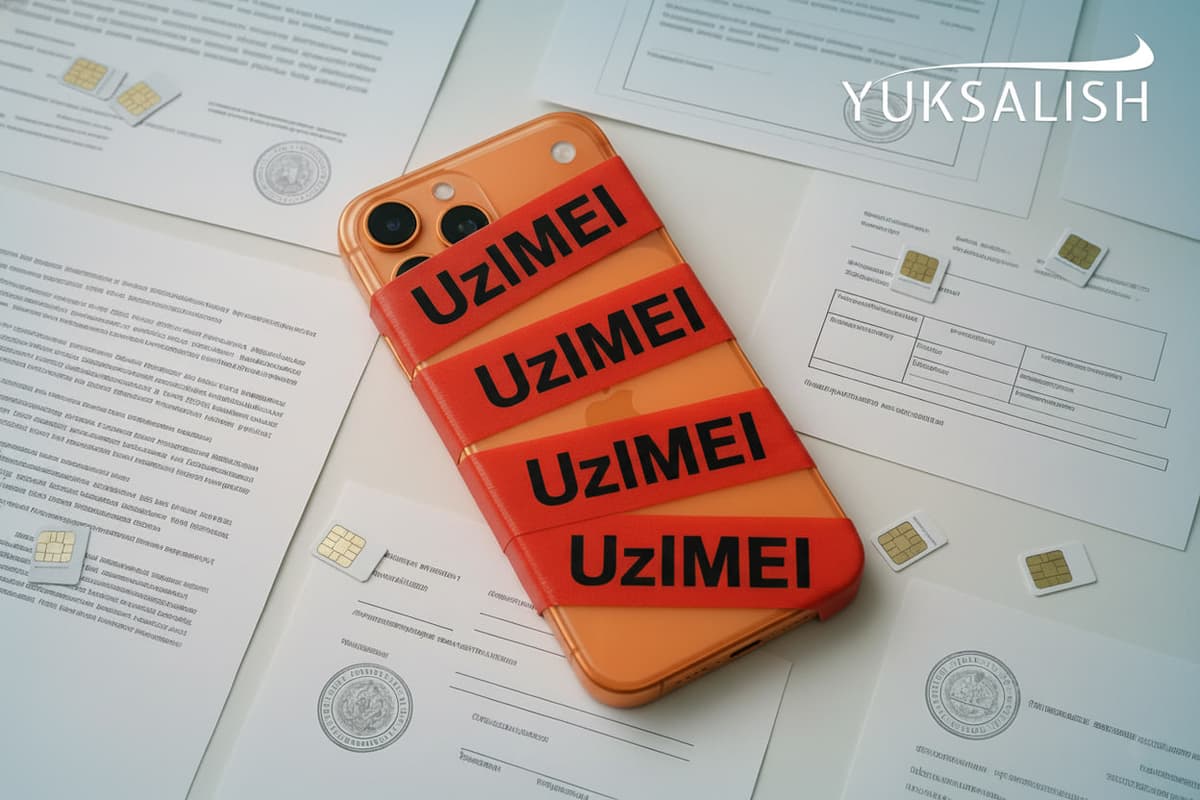
- simplifying registration procedures and making them free via UzIMEI in cases where duties are not required (for example, when importing one or two personal devices).
Yuksalish notes that high customs duties infringe upon citizens’ property rights. The movement believes that customs policy should promote economic freedom and fairness while serving as a tool to combat smuggling – not as a restriction on consumer rights.