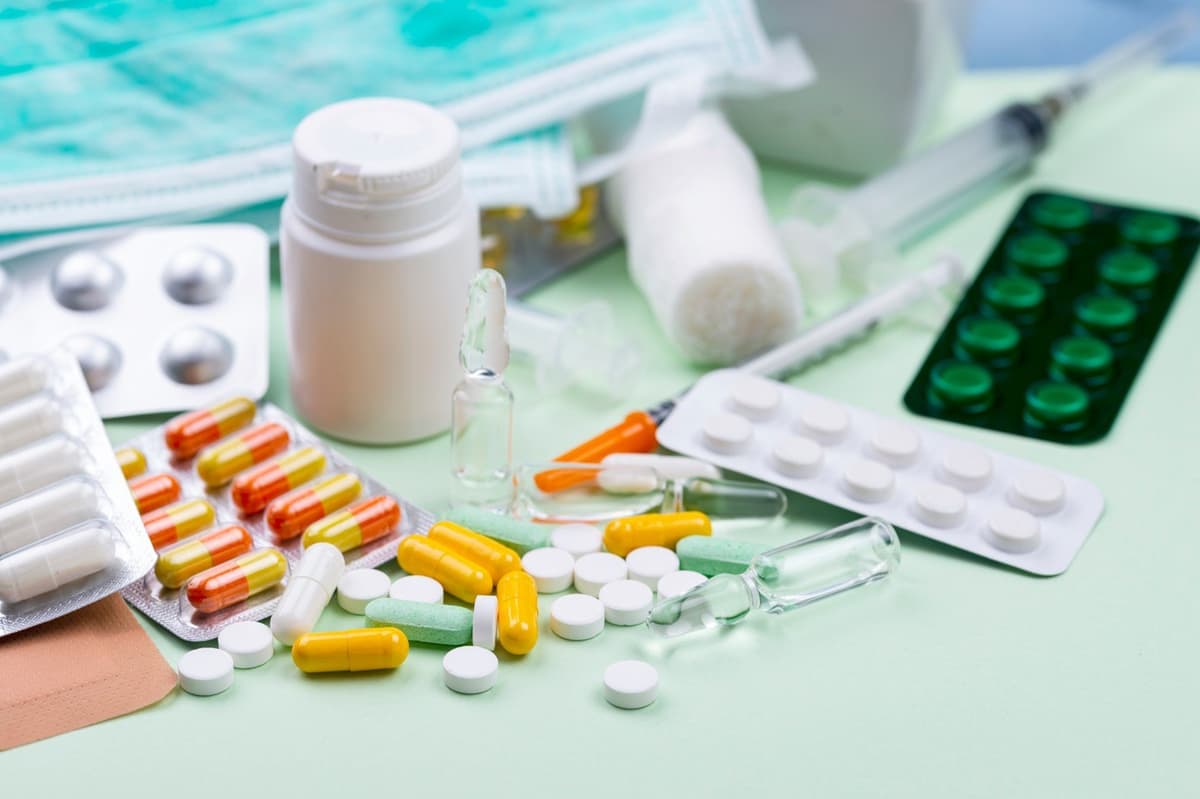

Speaking at a meeting with representatives of the pharmaceutical industry on January 22, Mavlonov said Uzbekistan must reduce its reliance on imported medicines, which reached $2bn in 2025.
Opening the meeting, the Customs Committee chief acknowledged existing systemic issues in the sector and stressed the need for lawful and collaborative solutions.
“We want responsible officials, government agencies and their employees not to resolve these issues arbitrarily, but to find legal solutions together with you. That is precisely why we are holding today’s meeting,” he said.
Mavlonov recalled that, under the leadership of Deputy Prime Minister Jamshid Khojaev, a separate meeting had been held with diplomatic missions and importers to discuss improving the efficiency of imports across all sectors and “turning imports into investment”.
“When we speak about turning imports into investment, we mean not sending abroad the foreign currency earned through hard work and spending it there, but instead retaining it within the country and establishing domestic production of goods that are currently imported,” he said.
According to Mavlonov, regulation of the pharmaceutical sector is under the personal oversight of the president.
He said the head of state is concerned about the issue and has instructed authorities to develop solutions and relief measures for entrepreneurs, while ensuring that citizens genuinely benefit from pharmaceutical products.
At the same time, he stressed that the import of expired, substandard or potentially harmful medicines is unacceptable.
“These medicines are consumed by people who are already ill. If a person is sick, we must not further harm them with poor-quality drugs,” he said, warning against the risks of negligence in quality control.
According to the committee chairman, pharmaceutical turnover in 2025 amounted to $2bn – an 18% increase, or around $300m, compared with 2024. Exports reached $32m.
He noted that pharmaceutical imports are only slightly lower than food imports, although official data show that imports of food products and live animals exceeded $4.5bn in 2025.
“It turns out that we consume food and medicines in nearly equal volumes. This is a very large figure. The first thing we must do is reduce this indicator,” Mavlonov said.
Pharmaceutical products are imported from 79 countries, primarily India, Russia, China, Turkey, Germany and Ukraine. Around 85% of imports, approximately $1.7bn, consist of finished medicines.
The largest importers are Uzbek companies Grand Pharm Trade, Meros Pharm, Farm Lyuks Invest, GD Pharm, Eurofarm Business and Astor Alliance.
Mavlonov recalled that several regulatory documents had been adopted to systematize the pharmaceutical sector and create a safe supply system for high-quality medicines.
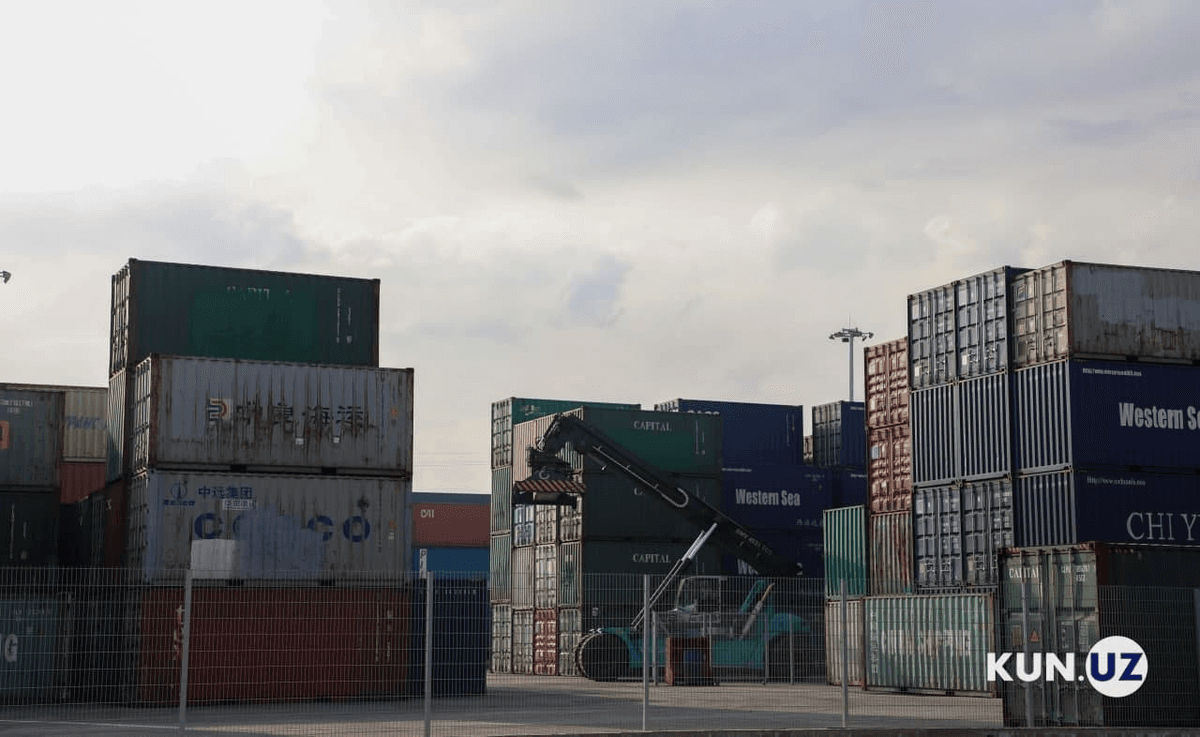
Under a presidential decree dated January 23, 2024, from 2026 medicines may be stored only in customs and free warehouses that meet GCP requirements and provide appropriate storage conditions.
Currently, medicines and medical devices worth $379m, imported by 63 enterprises within the structure of the Pharmaceutical Industry Development Agency, are under customs storage and supervision.
According to Mavlonov, the bulk of these goods belong to Grand Pharm Trade, Grand Pharm Logistics Hub, Astor Alliance, Meros Pharm, Europharm Business, GD Pharm and Neo Farm.
He emphasized that the rapid development of the global pharmaceutical industry, including new types and compositions of medicines, requires constant quality control, monitoring of potential side effects and regulation of pharmacy activities.
“Inspections are objectively necessary. Without them, it is impossible to allow such products to be consumed by the population,” he said.
Over the past three years, customs authorities have identified 3,914 violations related to the illegal circulation of medicines and medical devices, with a total value of UZS 224bn.
“Smuggling exists, illegal import and sale of medicines exist. Where are they sold? We do not see spontaneous street markets selling pharmaceutical products. All these goods are sold through pharmacies that have undergone state registration. They are imported illegally,” Mavlonov said.
He added that illegal imports also imply violations of transport conditions.
“In hot months, when temperatures exceed 25 degrees, medicines are transported in unequipped vehicles and containers, yet permits are still issued. I am saying this directly, as it is,” he stated.
According to committee analysis, in 2025 medicines worth $803m, 40% of total imports, were brought into the country between May and September at temperatures ranging from 25 to 45 degrees.
“These medicines are consumed by patients. In trying to treat a patient, we may instead worsen their condition,” he warned.
Mavlonov urged entrepreneurs to report cases of illegal transportation of pharmaceutical products.
“If you have information about unlawful transportation of pharmaceutical goods, you must report it. We have a short hotline number – 1108 – for appeals,” he said.
He stressed that the purpose of the meeting was not to criticize businesses, but to jointly develop transparent and lawful mechanisms in line with presidential instructions.
“Our goal is to bring the sector into a fair, transparent and legal state. At the same time, we understand that simplified procedures, relief measures and incentives are also necessary,” he added, noting that customs authorities are ready to work with established agencies to resolve emerging issues.